






What's Happening?
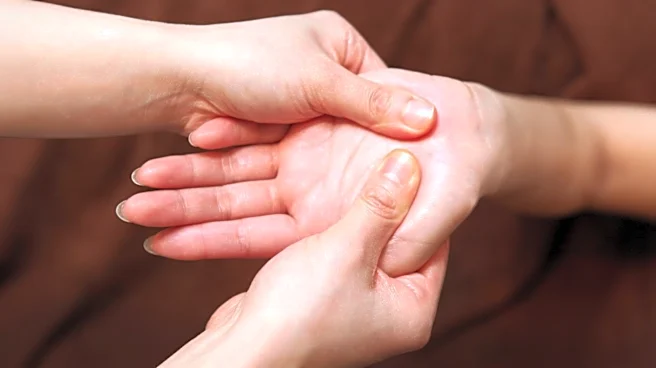
The practice of lymphatic drainage massage, also known as manual lymphatic drainage (MLD), is gaining attention for its potential benefits, but there's a significant distinction between professional treatment and at-home techniques. MLD is a gentle method
using light pressure and rhythmic movements to encourage lymph fluid toward lymph vessels and nodes, primarily working close to the skin's surface. Unlike deep-tissue massage, MLD focuses on fluid movement rather than muscle kneading. While at-home options like dry brushing and self-massage exist, they are not interchangeable with clinical MLD. Professional MLD involves a trained practitioner following a structured sequence, often starting around lymph-node areas in the neck, armpits, or groin, and adapting techniques to individual needs. For individuals with diagnosed lymphedema, a chronic condition involving fluid buildup, MLD is often part of a broader care plan that includes compression, skin care, exercise, and education. However, for healthy individuals, the benefits beyond relaxation and temporary de-puffing are generally modest and short-lived, with no credible evidence for immune-boosting or detoxification.
Why It's Important?
The distinction between professional and at-home lymphatic drainage massage is crucial for public health and consumer safety in the U.S. Misunderstanding the purpose and efficacy of MLD can lead to inappropriate self-treatment, potentially delaying necessary medical intervention for underlying conditions. For those with diagnosed lymphatic disorders like lymphedema, relying solely on at-home methods without professional guidance from a certified lymphedema therapist (CLT) can be ineffective or even unsafe, as proper technique and coordination with other treatments are vital. Conversely, healthy individuals seeking MLD for general wellness or aesthetic goals should have realistic expectations, as the benefits are often temporary and do not include fat loss or lasting body size changes. The cost and insurance coverage for professional MLD also vary, highlighting the need for consumers to inquire about coverage and understand that it may not be covered for general wellness purposes. This emphasizes the importance of medical assessment for unexplained swelling or persistent symptoms before pursuing any form of massage.
What's Next?
Individuals experiencing unexplained swelling, persistent heaviness, or recurring infections should prioritize medical evaluation before attempting any form of lymphatic drainage massage. Healthcare providers will assess the underlying cause of symptoms and determine if MLD is appropriate and safe. For those with diagnosed lymphatic conditions, following a comprehensive care plan developed by a medical team, which may include professional MLD from a certified lymphedema therapist, is essential. Therapists can also teach appropriate self-care techniques to support professional treatment. For individuals interested in MLD for general wellness or aesthetic purposes, it is important to clarify their goals and understand the realistic, often temporary, benefits. Continued education for both practitioners and the public on the appropriate application and limitations of MLD will be crucial to ensure safe and effective use of this therapy.
Beyond the Headlines
The growing interest in lymphatic drainage massage reflects a broader trend in the U.S. towards holistic wellness and alternative therapies. However, this trend also brings challenges related to consumer education and the regulation of wellness practices. The emphasis on 'detox' or 'fat-loss' benefits, often promoted in the wellness industry, can create unrealistic expectations and potentially divert individuals from evidence-based medical care. This highlights an ethical dimension where marketing claims need to be carefully scrutinized against scientific evidence. Legally, the distinction between medical treatment and general wellness services is important for insurance coverage and practitioner qualifications. The need for certified lymphedema therapists (CLTs) underscores the importance of specialized training and credentials in healthcare. This situation also points to a cultural shift where individuals are increasingly seeking proactive health measures, but without proper guidance, they may fall prey to misinformation or ineffective treatments, underscoring the critical role of healthcare professionals in guiding these choices.