



What's Happening?
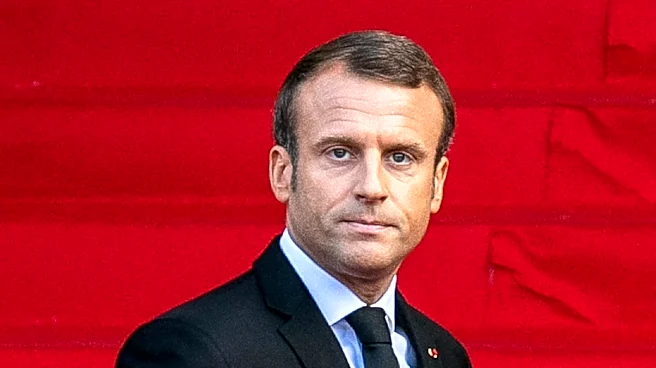
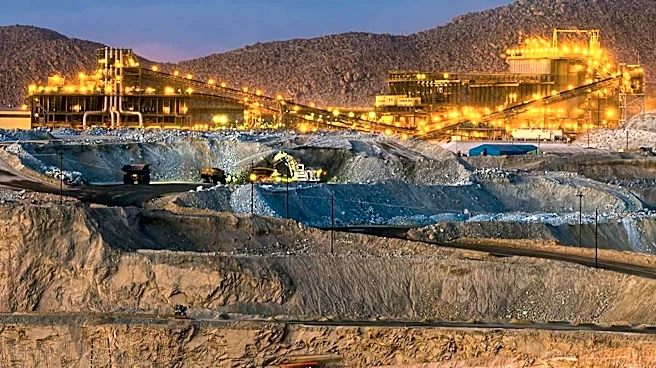
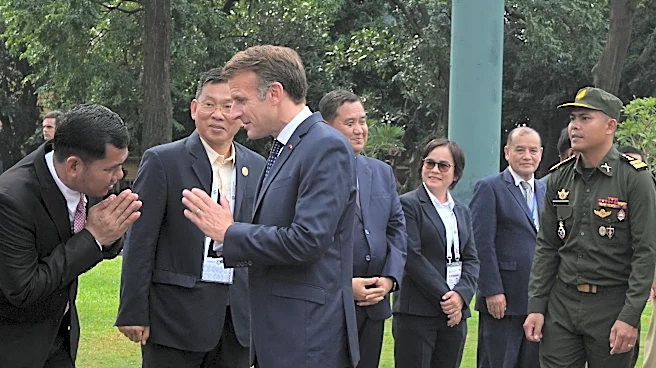
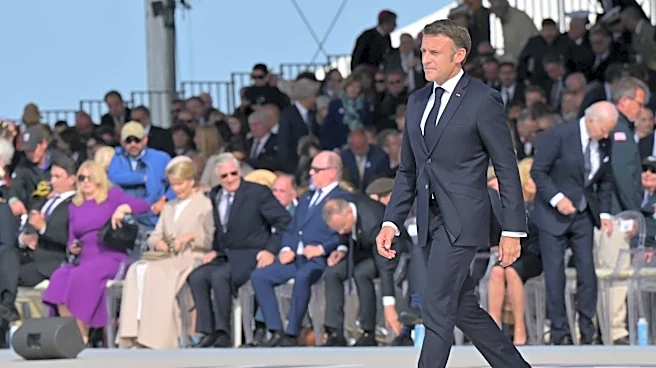
A joint venture between Malaysia and France for rare earths mining and processing is slated to commence operations in early 2027, as announced by French President Emmanuel Macron. This collaboration involves French company Carester and Malaysian firm
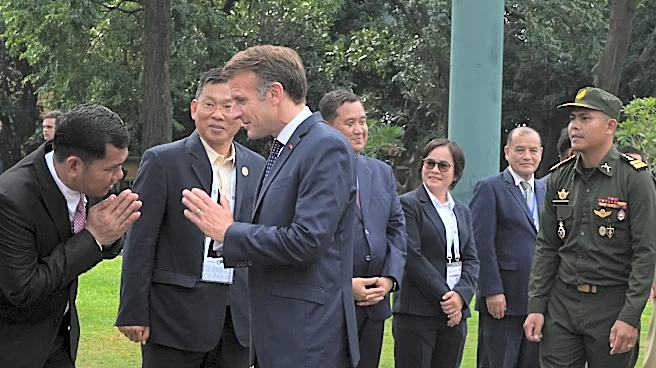
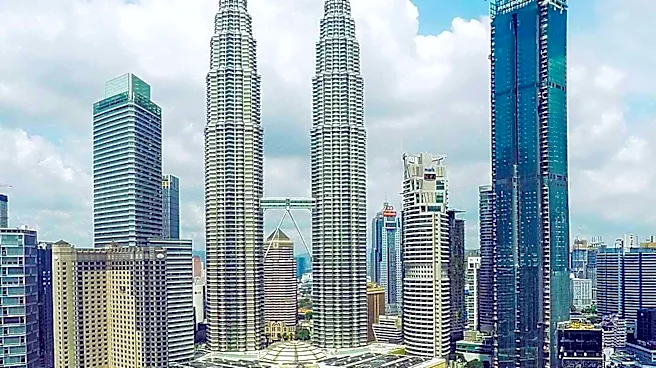
Malaco Mining Sendirian Berhad. The project encompasses the extraction and processing of rare earths within Malaysia, with specific volumes reserved and the potential for further refining activities in France. This initiative aligns with Malaysia's strategic goal of developing its domestic processing capabilities for rare earth minerals. Concurrently, France aims to bolster and diversify its supply chains for critical minerals, which are essential for various advanced industries. The two nations have also agreed to elevate their bilateral relationship to a broader strategic partnership, focusing on key sectors such as defense, energy, semiconductors, and digital connectivity. Malaysian Prime Minister Anwar Ibrahim noted that Malaysia made an exception to its policy against exporting raw rare earth minerals due to France's commitment to processing and collaborative development of Malaysia's rare earths industry.
Why It's Important?
This joint venture holds significant implications for global supply chains of rare earth elements, which are vital components in numerous high-tech products, including electric vehicles, electronics, renewable energy systems, and defense technologies. For the United States, which remains heavily dependent on foreign sources for its rare earth supply—with over 95% coming from abroad in 2025—such diversification efforts by allies are crucial. The project could contribute to a more stable and varied global supply, potentially reducing the market dominance of any single nation. As the U.S. Department of Energy and Department of Commerce have invested significantly in developing domestic rare earth capabilities, including recovery from waste and new mining projects, international partnerships like this one underscore a broader global trend towards securing critical mineral supplies. Increased availability from diverse sources could mitigate price volatility and supply disruptions, benefiting U.S. manufacturers and strategic industries that rely on these materials.
What's Next?
The project is scheduled to begin operations in early 2027, which will involve the establishment and scaling of extraction and processing facilities in Malaysia. Further details regarding the specific reserved volumes for France and the potential for refining operations within France are expected to emerge as the project progresses. The broader strategic partnership between Malaysia and France will likely see continued collaboration in defense, energy, semiconductors, and digital connectivity, potentially leading to new agreements and joint initiatives in these sectors. For Malaysia, the focus will be on technology transfer, training, and industrial expertise development within its rare earths industry. For France, the next steps will involve integrating these new rare earth supplies into its industrial value chains. The success of this venture could also serve as a model for other resource-rich nations looking to partner with technologically advanced countries to develop their critical mineral industries while retaining more domestic control over processing.
Beyond the Headlines
This collaboration highlights a growing global trend among nations to secure critical mineral supply chains and reduce reliance on concentrated sources, particularly in the context of geopolitical competition. The agreement between Malaysia and France reflects a strategic move towards greater national sovereignty and independence in critical resource management. It also underscores the evolving dynamics of international trade, where resource-rich countries are increasingly leveraging their raw materials to secure technology transfer and industrial development rather than simply exporting raw commodities. This shift could lead to more localized processing and refining capabilities globally, potentially decentralizing the rare earth supply chain. Furthermore, the emphasis on processing within Malaysia, with potential refining in France, illustrates a commitment to building out the entire value chain, which could foster more resilient and sustainable practices in the long term, moving beyond mere extraction to value-added production.