







What's Happening?
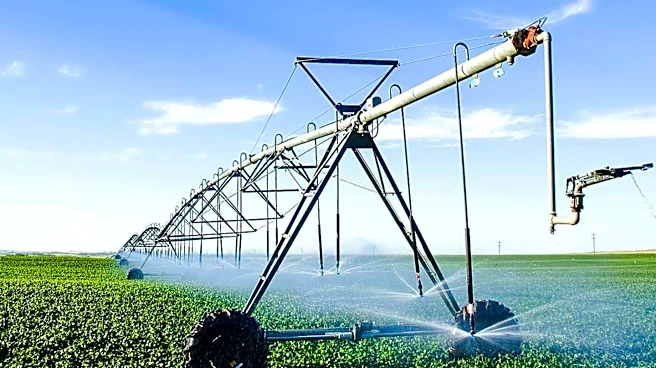
The UK Department for Environment, Food & Rural Affairs (Defra) has unveiled a new Farming Roadmap aimed at increasing the resilience of the agricultural sector to climate change. The roadmap outlines strategies for reducing reliance on costly inputs
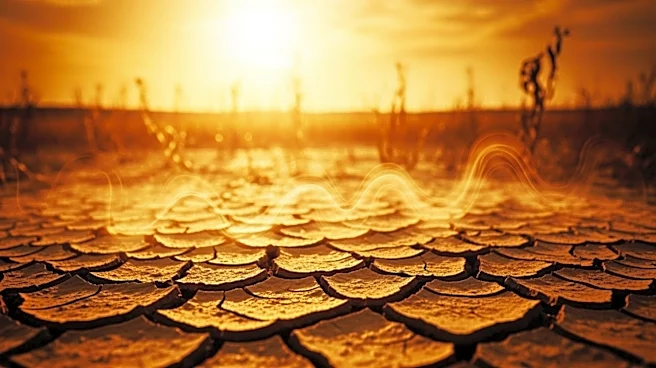
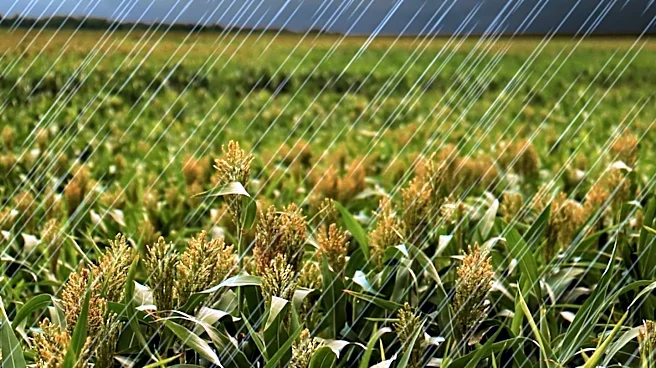
like fertilizers through nature-based solutions, such as improved soil health and water management. It also emphasizes the need for investment in green farming schemes to build resilience against severe droughts, rainfall, and extreme heat. The roadmap is part of a broader effort to boost sector profitability and productivity, with a focus on horticulture and poultry. The announcement comes amid a severe heatwave in the UK, highlighting the urgent need for climate adaptation in farming.
Why It's Important?
The Farming Roadmap is a critical step in addressing the vulnerabilities of the agricultural sector to climate change. By promoting sustainable practices and reducing dependency on traditional inputs, the roadmap aims to enhance the sector's resilience and ensure food security. The initiative is significant for the UK economy, as the agri-food sector is valued at £153 billion and plays a vital role in managing the country's land. The roadmap's focus on collaboration between farmers, retailers, and investors could lead to innovative solutions and increased profitability. However, the success of the roadmap will depend on its implementation and the level of investment in green farming initiatives.
What's Next?
The implementation of the Farming Roadmap will require collaboration between the government, industry stakeholders, and environmental groups. The government plans to work with the Office for National Statistics to develop new metrics for measuring the economic value of agriculture, which could influence future policy decisions. As the roadmap is rolled out, stakeholders will likely assess its impact on the sector's resilience and profitability. The roadmap's success could serve as a model for other countries facing similar climate challenges, potentially influencing global agricultural policies and practices.