




What's Happening?
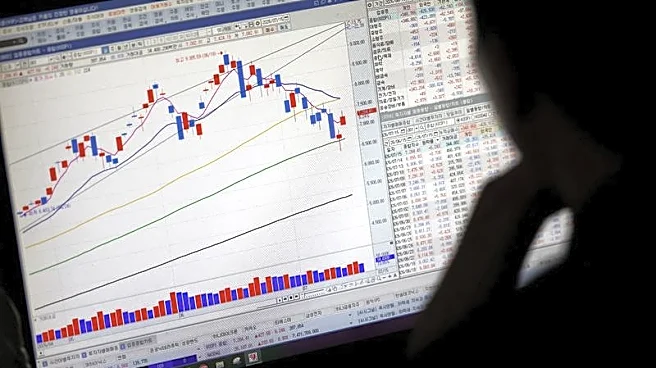
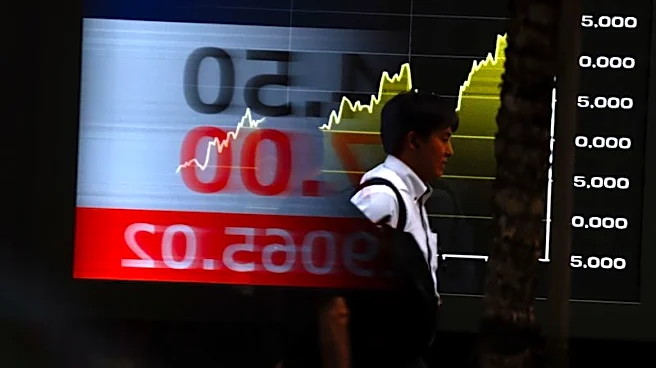
South Korea's 10-year government bond yield fell to approximately 4.15%, reaching a four-week low. This decline aligns with a global trend of falling bond yields, driven by progress in US-Iran negotiations mediated by Qatar. The reduction in oil prices
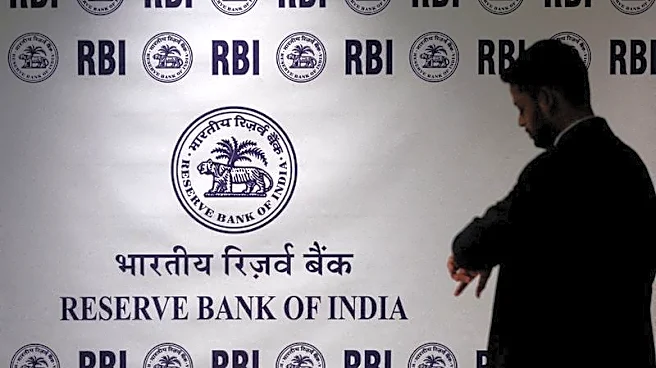
has eased inflation concerns, influencing bond markets worldwide. Despite this, the Bank of Korea's recent meeting minutes indicate a cautious approach to future rate hikes, with some members advocating for preemptive measures to manage inflation risks. The board recently raised the policy rate, marking the first increase in over three years, but softer inflation data may challenge the need for further hikes.
Why It's Important?
The drop in South Korea's bond yields reflects broader global economic trends and the impact of geopolitical developments on financial markets. Lower yields can reduce borrowing costs, potentially stimulating economic growth. However, the Bank of Korea's cautious stance on rate hikes underscores the complexity of balancing economic growth with inflation control. This situation highlights the challenges central banks face in navigating uncertain economic landscapes, where external factors like geopolitical tensions can significantly influence domestic monetary policy.