





What's Happening?
The World Wide Fund for Nature (WWF) is calling on the European Union and global governments attending the COP31 international climate negotiations to demonstrate a shift from climate negotiation to concrete implementation. WWF emphasizes the urgent need
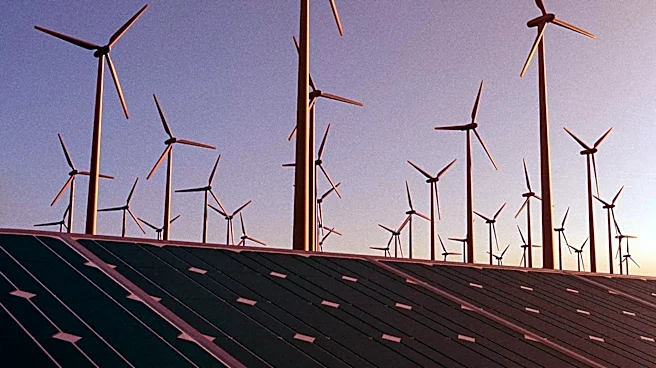
for faster emissions reductions, enhanced protection for vulnerable communities, and more effective climate finance distribution. The organization stresses that COP31 must translate promises into tangible results for both people and nature, showcasing that climate action is delivering on the ground. Despite accelerating energy transitions globally, WWF notes that countries, particularly major polluters, are not acting quickly enough to meet Paris Agreement goals or protect communities from escalating climate impacts. Arnaud Van Dooren, Senior Policy Officer on Renewable Energy at WWF EU, highlighted that solutions for electrification powered by renewable energy already exist and can be deployed immediately, urging governments to redirect fossil fuel subsidies towards clean energy solutions.
Why It's Important?
This call to action from WWF underscores a critical juncture in global climate efforts, shifting focus from target-setting to tangible progress. For the U.S., as a significant global emitter and economic power, the emphasis on implementation at COP31 has direct implications for its climate policy and international standing. The push for electrification and renewable energy deployment aligns with U.S. goals to transition away from fossil fuels, but also highlights the challenge of accelerating this transition at the necessary pace and scale. The redirection of fossil fuel subsidies, as advocated by WWF, could influence U.S. energy policy debates and investment strategies, potentially impacting traditional energy sectors and boosting renewable energy industries. Furthermore, the call for climate finance to reach those most in need resonates with discussions around climate justice and international aid, areas where the U.S. plays a significant role. The success or failure of COP31 in delivering concrete action will shape the global climate agenda and influence national policies, including those in the U.S., for years to come.
What's Next?
As COP31 commences, the focus will be on how governments, including the U.S., respond to calls for concrete action and implementation. WWF specifically welcomes the COP Presidency’s proposal for 35% electrification of the energy system by 2035 and urges the EU, and by extension other major economies, to support this target. This implies that future climate discussions will likely center on specific electrification goals, renewable energy investment, and policies to phase out fossil fuel subsidies. Governments will be expected to back these targets with concrete policies, investments, and financing mechanisms. The EU's upcoming 2040 climate and energy package is cited as a potential showcase for domestic action and implementation, which could set a precedent for other nations. The outcome of COP31 will likely influence national climate strategies, potentially leading to new legislative proposals, increased funding for renewable energy projects, and stricter regulations on emissions in the U.S. and globally.
Beyond the Headlines
The WWF's advocacy for implementation over negotiation at COP31 points to a deeper systemic challenge in global climate governance: the gap between ambition and action. This reflects a growing frustration among environmental organizations and the public with the pace of change despite numerous international agreements. The emphasis on electrification and renewable energy as immediate solutions highlights a technological optimism, but also implicitly critiques the political will and economic structures that continue to support fossil fuels. The call to redirect billions in fossil fuel subsidies towards clean energy solutions touches upon fundamental economic and political interests, suggesting a need for significant structural reforms. This shift in focus could also lead to increased pressure on corporations and financial institutions to align their investments with climate goals, potentially accelerating divestment from fossil fuels and greater investment in sustainable technologies. Ultimately, the success of this push for implementation will depend on a complex interplay of political leadership, economic incentives, and societal pressure, with profound implications for global energy markets and environmental sustainability.