




What's Happening?
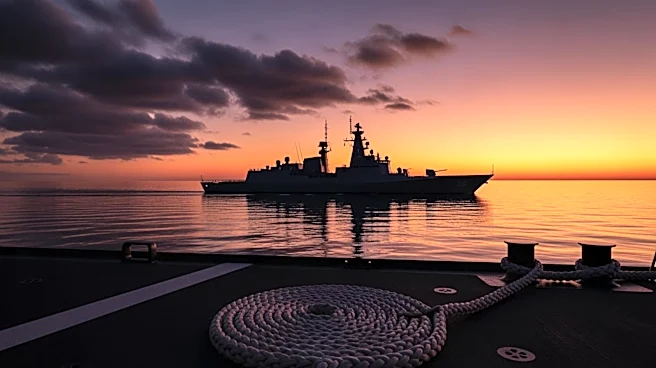
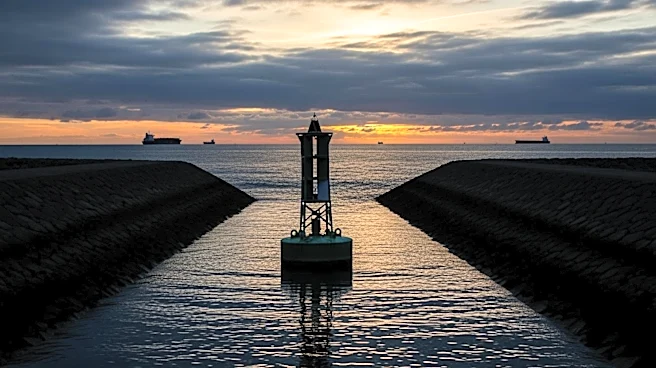
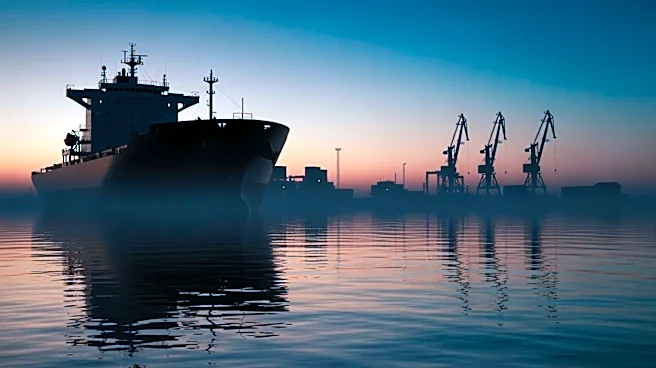
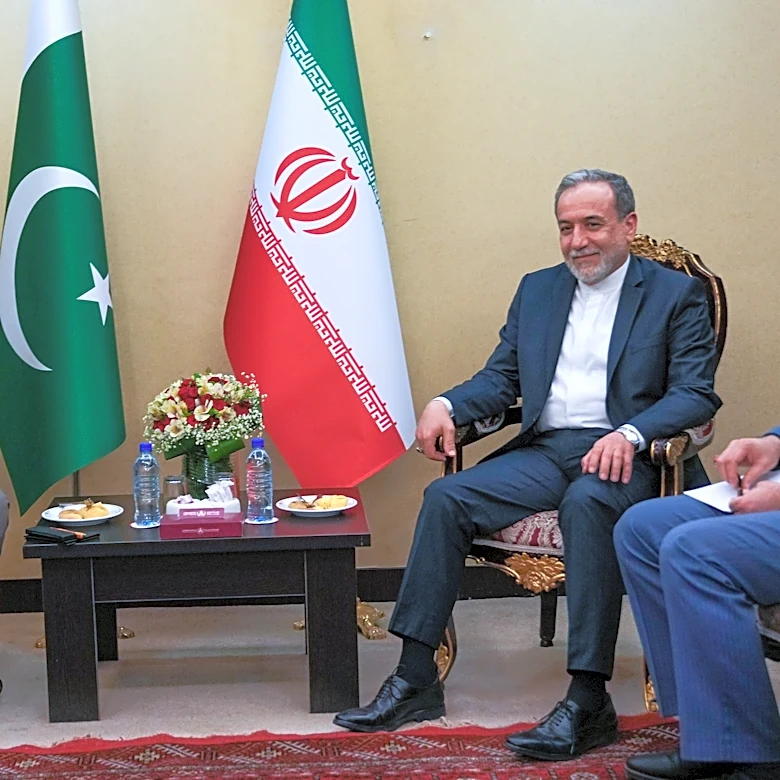
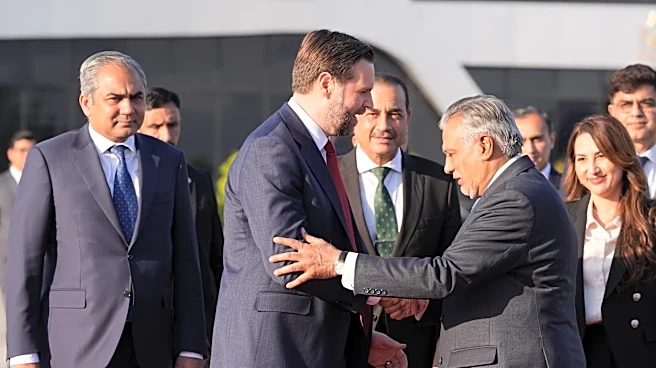
The United States has implemented a blockade on Iranian ports, aiming to prevent Iran from exporting its oil. This move comes after President Trump announced the blockade following unsuccessful peace talks between the U.S. and Iran. The blockade is intended
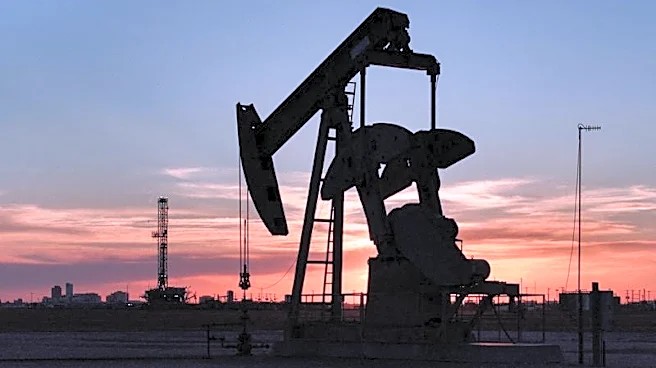
to choke Iran economically by restricting its oil exports, which are a significant source of revenue for the country. The U.S. Navy has been tasked with enforcing the blockade, allowing non-Iranian ships to transit the Strait of Hormuz while having the authority to search and seize ships suspected of carrying contraband supporting Iran's war effort. The blockade has already led to increased oil prices, with American gas averaging $4.12 a gallon, and has exacerbated the global energy crisis.
Why It's Important?
The blockade on Iranian ports is a critical development in the ongoing geopolitical tensions between the U.S. and Iran. By restricting Iran's oil exports, the U.S. aims to weaken Iran's economy and force it back to the negotiating table. This action has significant implications for global energy security, as Iran's threats to the Strait of Hormuz have already caused a drop in maritime traffic, impacting global oil supply. The blockade could further strain international relations, particularly with China, which is a major buyer of Iranian oil. The move also risks worsening the energy crisis, affecting global oil prices and potentially leading to higher costs for consumers and businesses in the U.S. and worldwide.
What's Next?
The blockade is likely to be tested in the coming days as U.S. forces continue to enforce restrictions on Iranian oil exports. The situation may lead to increased diplomatic tensions, especially with countries like China, which have expressed concerns over the blockade's impact on their oil imports. The U.S. may face pressure from allies and international bodies regarding the legality of the blockade and its broader implications for global trade and energy security. The Trump administration may need to navigate these challenges while balancing domestic economic concerns, particularly the impact of rising energy prices on American consumers.
Beyond the Headlines
The blockade raises questions about the legality of the U.S.'s actions under international law, as a full blockade must be applied impartially. The situation also highlights the complexities of enforcing such measures, with military officials reportedly struggling to understand the implementation process. Additionally, Iran's ability to engage in 'dark maritime activity' could undermine the blockade, as its 'shadow fleet' can evade detection and continue oil exports. The geopolitical dynamics in the region, including China's role in mediating tensions, will be crucial in determining the future of U.S.-Iran relations and the stability of global energy markets.