




What's Happening?
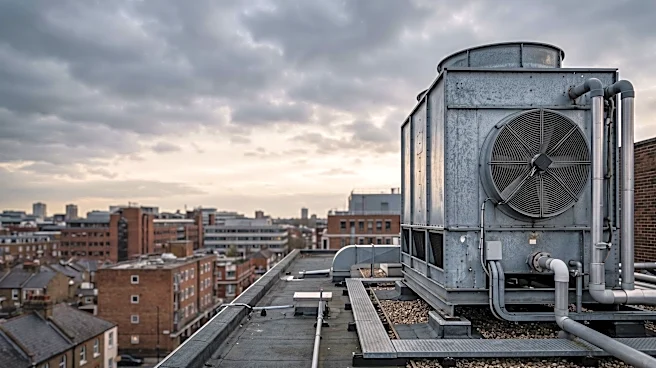
The New York City Department of Health has mandated the cleaning and disinfection of ten cooling towers in the Bronx following a cluster of Legionnaires' disease cases. These towers, located in zip codes 10451 and 10456, tested positive for Legionella
bacteria. Notable locations with affected cooling towers include Yankee Stadium, Boricua College's Bronx campus, a Morrisania dialysis center, and a PureGym. This action comes after preliminary testing detected traces of the bacteria, prompting an investigation into the source of the outbreak concentrated in the Melrose and Morrisania sections of the borough. The cluster has resulted in one fatality and nine reported cases. City Health Commissioner Dr. Alister Martin stated that building owners found non-compliant with regulations will face consequences. All ten cooling towers are required to complete remediation by Monday. An in-person town hall is scheduled for Tuesday at Metropolitan College in the Bronx for community members to address concerns with health officials.
Why It's Important?
This outbreak highlights the ongoing public health challenge posed by Legionnaires' disease, particularly in densely populated urban environments. The presence of Legionella bacteria in cooling towers, which are common in large buildings, underscores the importance of regular maintenance and compliance with health regulations to prevent widespread contamination. The involvement of prominent locations like Yankee Stadium brings significant public attention to the issue, potentially increasing awareness about the disease and its prevention. For residents, especially those over 50 or with underlying health conditions, understanding the symptoms and seeking prompt medical attention is crucial, as the disease can be serious if left untreated. The city's swift response, including mandatory cleaning and public engagement, is vital for containing the outbreak and reassuring the community about public safety measures.
What's Next?
The immediate next step involves the mandatory remediation of all ten identified cooling towers by Monday. Health officials will continue their investigation to definitively determine the source of the outbreak and monitor for any new cases. The scheduled town hall will provide a platform for community members to voice concerns and receive updates directly from health authorities. Further actions may include increased inspections of cooling towers across the city, stricter enforcement of maintenance protocols, and public health campaigns to educate residents about Legionnaires' disease symptoms and prevention. Depending on the investigation's findings, there could be legal repercussions for any building owners found to be negligent in their maintenance duties, as indicated by City Health Commissioner Dr. Alister Martin.
Beyond the Headlines
The recurrence of Legionnaires' disease outbreaks in urban areas like the Bronx points to broader systemic issues related to infrastructure maintenance and public health oversight. While immediate actions address the current crisis, the long-term implications involve evaluating the effectiveness of existing regulations for cooling tower maintenance and potentially implementing more stringent monitoring systems. The disease's link to environmental factors, such as warm, fresh water environments, also subtly connects to broader climate considerations, as changing weather patterns can influence conditions conducive to bacterial growth. This event may also spur technological advancements in water treatment and monitoring systems for large-scale HVAC infrastructure, aiming to prevent future outbreaks more effectively and safeguard public health in an evolving urban landscape.