




What's Happening?
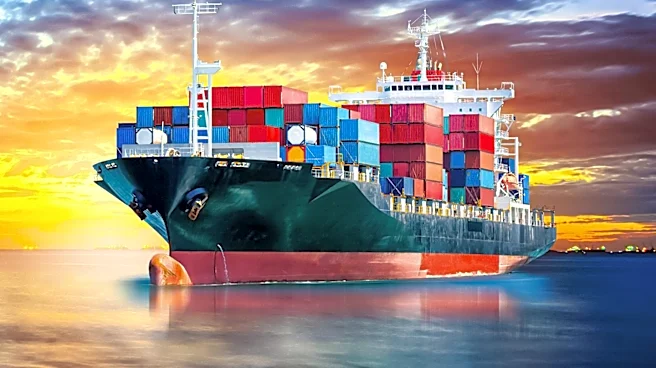
The Steamship Authority (SSA) is under intense scrutiny following a series of administrative and inspection lapses that led to the sidelining of multiple vessels. The issues came to light after the Island Home, the largest vessel in the SSA fleet, was
taken out of service due to an expired 10-year radiotelephony certificate from the Federal Communications Commission (FCC). This incident, which occurred from Saturday to Tuesday afternoon, forced a smaller ferry, the Martha’s Vineyard, to cover its route, causing significant disruption to vehicle reservations. Further investigation revealed that the Island Home also had a lapsed Coast Guard inspection. The problems extended to other vessels, with the freight ferry Woods Hole found to have missed required inspections earlier in the month, though these were rectified by the Coast Guard. Additionally, the rear gates of the freight ferry Barnstable fell into the water on September 10 due to improper securing, temporarily switching it from the Nantucket to the Vineyard route. SSA General Manager Alex Kryska confirmed that an employee responsible for the paperwork issues has been terminated. The SSA is now implementing a new system where captains must submit photos of vessel documents to the maritime operations department to track deadlines, and a comprehensive review of the entire operation is underway.
Why It's Important?
These operational failures at the Steamship Authority carry significant implications for public trust, safety, and regional transportation. The SSA provides vital ferry services, and the grounding of vessels due to preventable administrative oversights directly impacts the reliability of transportation for residents and tourists. The board chair, Peter Jeffrey, emphasized that 'required inspections and operating certificates are not mere paperwork; they are prerequisites to lawful and reliable service,' highlighting the critical link between compliance and safety. The disruption caused by the Island Home's absence, forcing a smaller vessel to fill in, underscores the fragility of the system when key assets are compromised. This situation could lead to increased public skepticism regarding the SSA's management and operational integrity. Economically, such disruptions can negatively affect local businesses reliant on consistent ferry service for goods and tourism. The need for a 'soup to nuts' review of operations suggests systemic issues beyond a single employee's error, indicating potential vulnerabilities in the SSA's internal controls and oversight mechanisms. The incident also raises questions about the allocation of staff attention, with the general manager noting that duties related to a new reservation system development might have diverted focus from regular compliance tasks.
What's Next?
The Steamship Authority is taking immediate steps to address the identified issues. Captains are now required to submit photographic evidence of vessel documents to the maritime operations department to ensure all deadlines are tracked and met. General Manager Alex Kryska has committed to a thorough review of the SSA's entire operation, indicating a comprehensive overhaul of procedures and oversight. A written report detailing the lapses and proposed corrective actions has been requested by board chair Peter Jeffrey, and Kryska stated it will be available by the next board meeting, scheduled for October 20 in Tisbury. This report will likely outline specific policy changes, accountability measures, and timelines for implementation. Stakeholders, including the public and regulatory bodies, will be closely watching the SSA's response and the effectiveness of these new measures. The ongoing development of a new reservation system, which may have contributed to staff distraction, will also need to be carefully managed to ensure it does not further compromise essential operational duties. The SSA's ability to restore public confidence and demonstrate sustained compliance will be critical in the coming months.
Beyond the Headlines
The recent failures at the Steamship Authority highlight a broader challenge faced by public service organizations: balancing innovation and new projects with fundamental operational compliance. The general manager's comment about the new reservation system potentially diverting staff attention points to a common organizational pitfall where strategic initiatives inadvertently strain existing resources and oversight. This situation underscores the ethical imperative of maintaining rigorous safety and regulatory standards, especially in transportation, where public lives are at stake. The termination of an employee, while a direct consequence, also prompts reflection on the organizational culture and systemic pressures that might have contributed to the oversight. Was there adequate training, clear communication, or sufficient staffing to manage both routine compliance and new projects? The incident could serve as a catalyst for the SSA to not only rectify immediate problems but also to foster a culture of proactive compliance and continuous improvement. The demand for a public report by the board chair emphasizes the importance of transparency and accountability in public entities, reinforcing the idea that public trust is earned through diligent adherence to standards and open communication about failures and remedies.