




What's Happening?
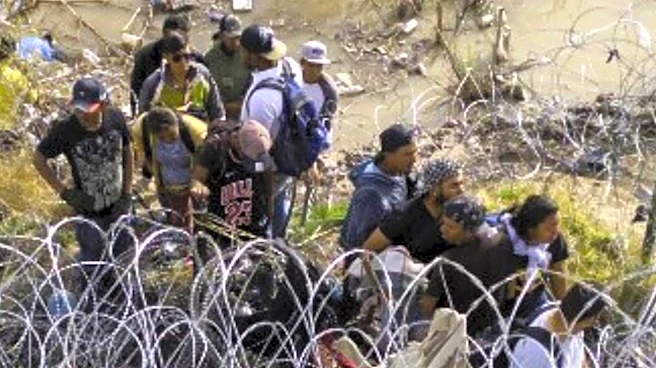
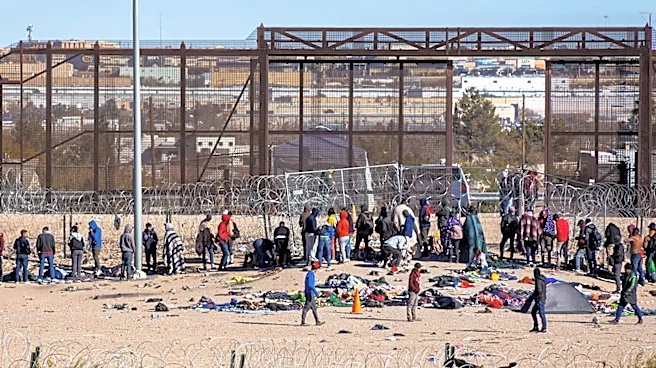
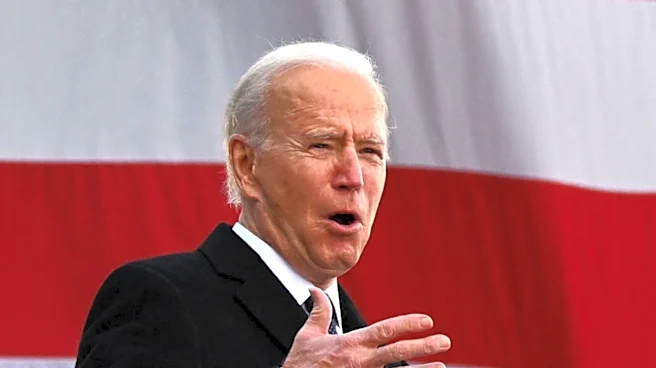
The Biden administration, in its early months, introduced a comprehensive immigration reform proposal but did not invest sufficient political capital to ensure its passage in Congress. Instead, it negotiated an agreement with Mexican President Andrés
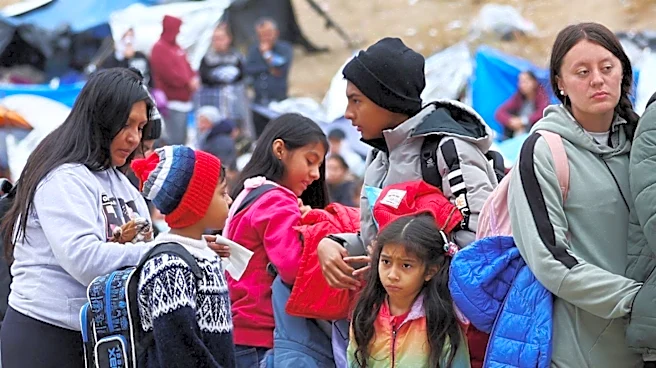
Manuel López Obrador to admit up to 30,000 asylum seekers per month from Haiti, Nicaragua, Venezuela, and Cuba under humanitarian parole. This, along with the expansion of Temporary Protected Status (TPS) and other measures, has reshaped the profile of the undocumented population in the U.S. The undocumented population surged to 15.8 million by mid-2024, with a significant portion holding temporary legal status. The Biden administration's policies have been contrasted with President Trump's approach, which included closing the border to migrants and ending humanitarian parole programs.
Why It's Important?
The Biden administration's immigration policies have significant implications for the U.S. economy and society. By providing temporary legal status to a large portion of the undocumented population, these policies aim to integrate immigrants into the workforce, potentially alleviating labor shortages in critical sectors like healthcare. However, the shift in policy has also sparked political debate, with critics arguing that it may encourage further undocumented immigration. The contrast with President Trump's stricter immigration policies highlights the ongoing political divide over immigration reform in the U.S. The economic and social impacts of these policies will continue to be a point of contention among policymakers and stakeholders.
What's Next?
As President Trump has returned to office, his administration has moved to reverse many of the Biden administration's immigration policies. This includes closing the border to migrants and expediting deportations. The impact of these changes is already being felt, with sectors like healthcare experiencing labor shortages due to the loss of work authorization for many immigrants. The U.S. Chamber of Commerce and other stakeholders are likely to continue advocating for more balanced immigration policies that address both economic needs and humanitarian concerns. The future of U.S. immigration policy remains uncertain, with potential shifts depending on political developments and economic pressures.