





What's Happening?
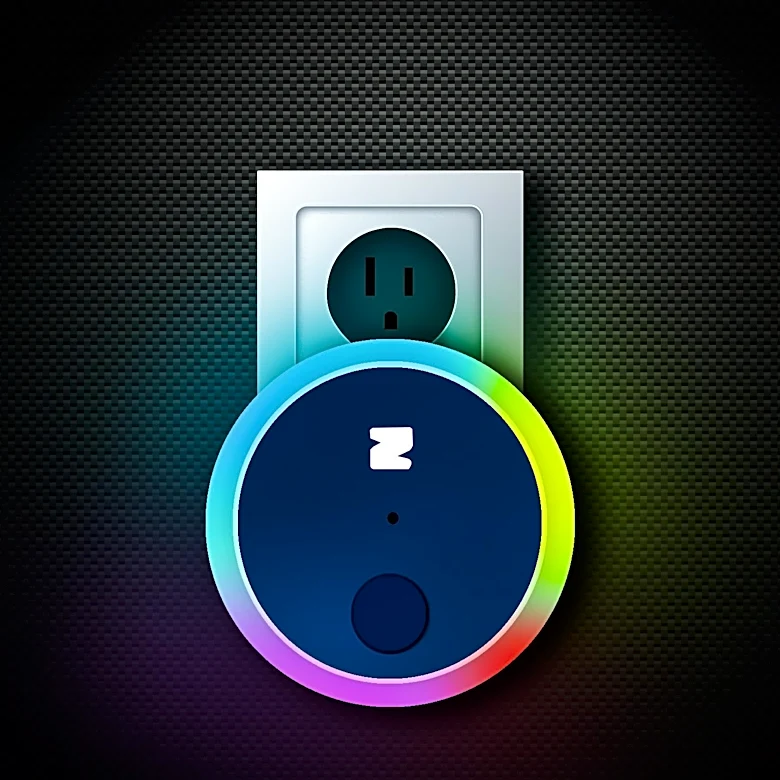
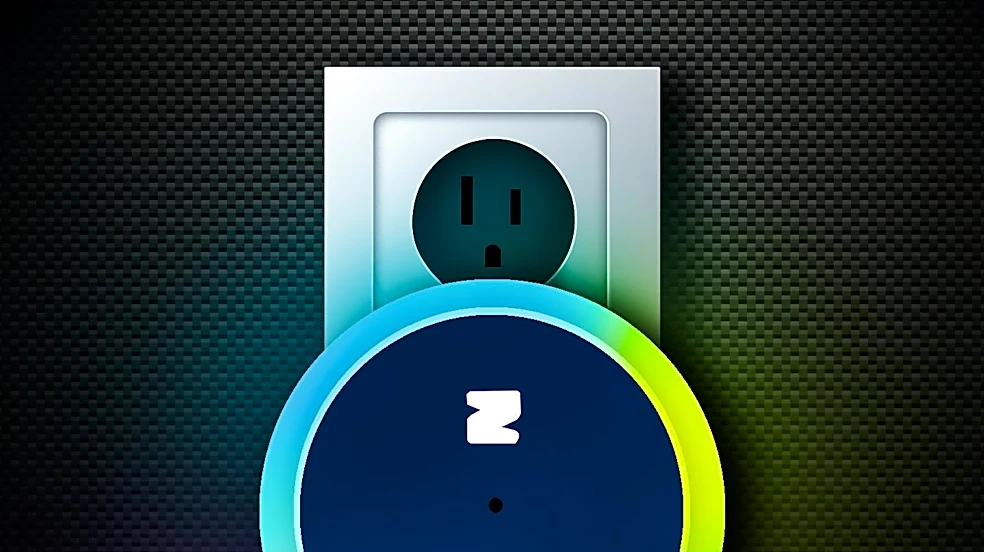
LinknLink has launched the HomeClaw Max AI Smart Home Gateway, a compact, always-on device designed to serve as the central AI brain for smart homes. This gateway runs Home Assistant, an open-source home automation platform, alongside OpenClaw and Hermes
services on dedicated Linux hardware. The HomeClaw Max aims to provide local-first smart home control, integrating over 1,500 brands and services. It supports AI-assisted workflows, allowing users to manage smart devices and create automations using natural language. The device offers secure remote access through the LinknLink App without requiring a separate subscription, and core smart home functionalities can operate even without an internet connection. Two configurations are available, featuring a 1.8GHz quad-core processor, 4GB of RAM, dual-band Wi-Fi, Bluetooth, and USB-A ports, with storage options of 64GB or 256GB.
Why It's Important?
The introduction of the HomeClaw Max signifies a shift towards more integrated and locally controlled smart home ecosystems in the U.S. market. By emphasizing a 'local-first' design, the device offers enhanced privacy and reliability, as critical automations and device controls can function independently of cloud services. This approach reduces reliance on internet connectivity and third-party servers, addressing common concerns about data security and system vulnerability. For consumers, it means greater control over their smart home data and potentially faster response times for automations. For the smart home industry, it highlights a growing demand for open ecosystems and interoperability, moving away from proprietary 'walled gardens.' This could encourage other manufacturers to adopt similar local-processing capabilities, fostering innovation and competition in the smart home sector.
What's Next?
Shipping for the HomeClaw Max is scheduled to begin in mid-November, with orders fulfilled in the sequence they were received. Users will be able to integrate their existing smart devices and services, leveraging Home Assistant's extensive compatibility. The device's open Linux foundation and support for advanced paths like SSH and Docker suggest future opportunities for customization and expansion by tech-savvy users and developers. LinknLink also includes a one-month Starter Plan trial for AI-assisted features, allowing users to explore these capabilities before deciding on continued use. The availability of bring-your-own-key options for AI services provides flexibility, indicating a potential trend towards user-controlled AI integrations in smart home technology.
Beyond the Headlines
The HomeClaw Max's emphasis on a local-first, open-source foundation challenges the prevailing cloud-dependent model of many smart home devices. This approach could have significant long-term implications for data ownership and digital autonomy. By processing data locally, the device minimizes the amount of personal information transmitted to and stored on remote servers, potentially setting a new standard for privacy in smart homes. Furthermore, the integration of AI layers like OpenClaw and Hermes, which run alongside Home Assistant, suggests a future where AI agents can perform complex tasks and natural-language interactions without constant cloud communication. This could lead to more intelligent, responsive, and secure smart home environments, empowering users with greater control over their digital lives and reducing their vulnerability to service outages or data breaches.