


What's Happening?
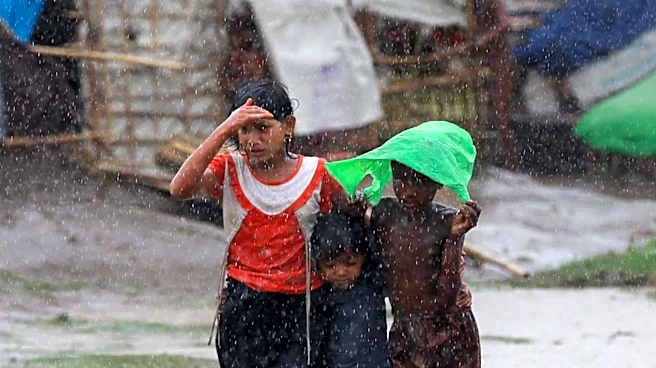
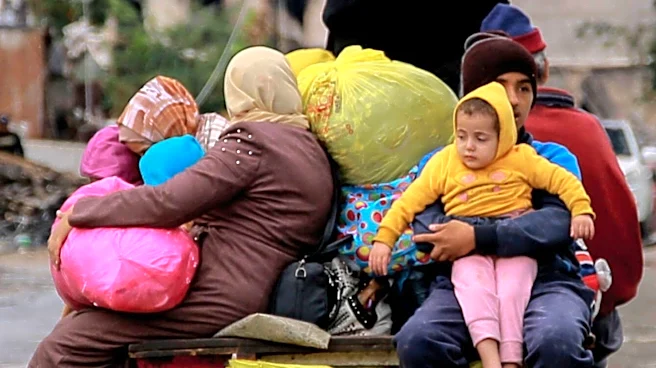
Gaza Health Ministry Director-General Munir al-Bursh has issued an urgent appeal for shelter supplies and the immediate opening of crossings, stating that recent weekend flooding has left 350,000 displaced Palestinians sleeping in the open. Al-Bursh warned
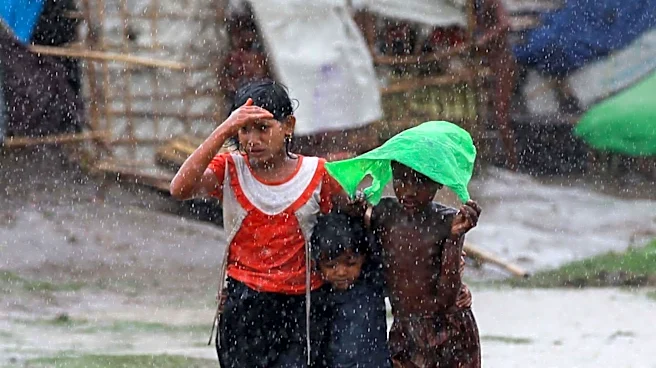
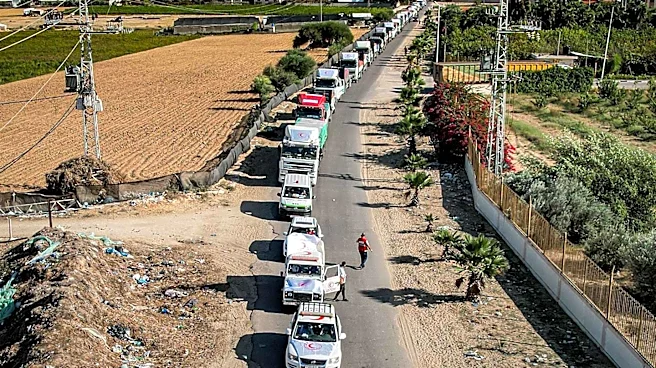
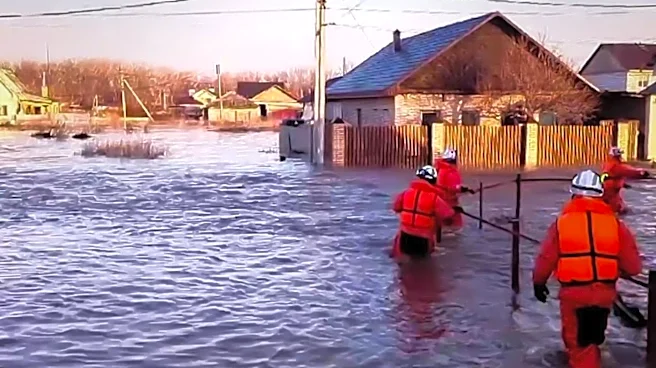
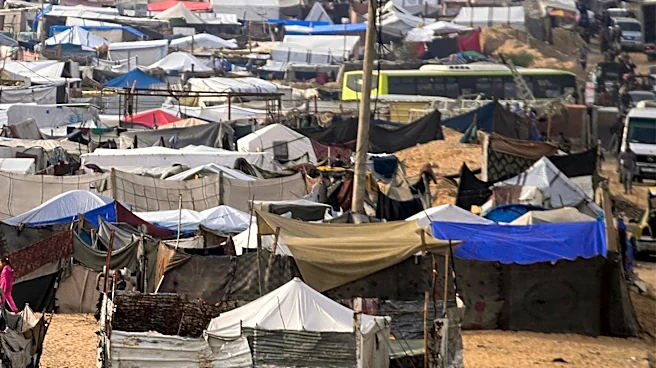
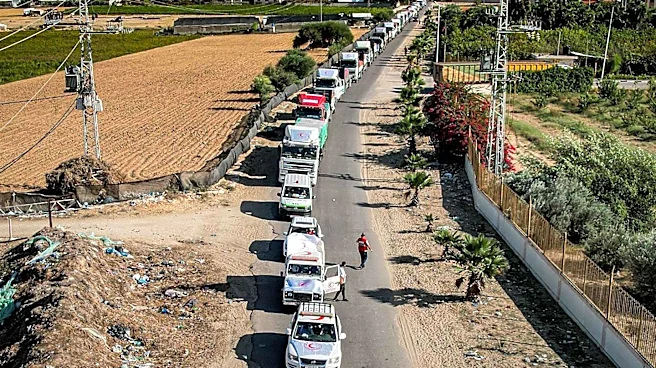
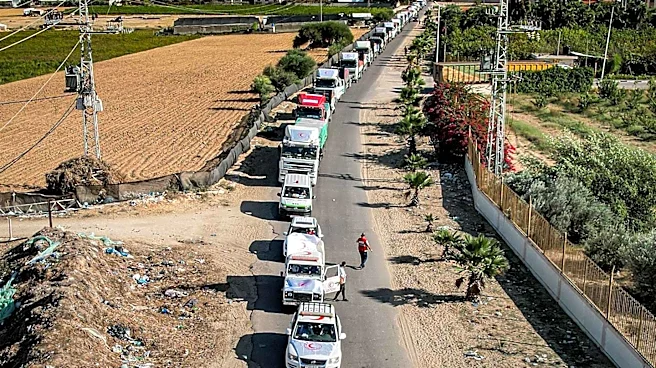
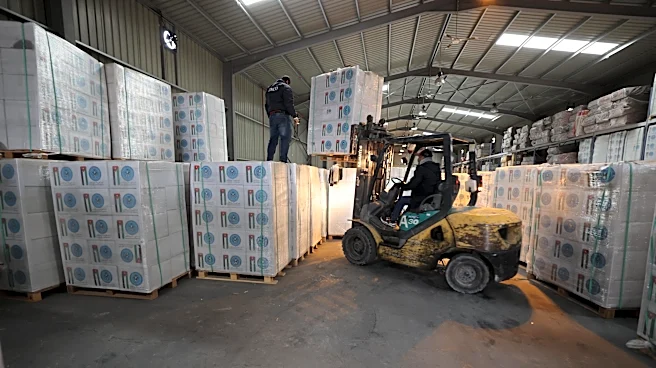
that children face mortal danger as winter storms batter the enclave. The appeal comes after a landslide in Deir al-Balah in central Gaza killed a woman and four children and injured others, with rescue teams continuing to search for missing people. The Government Media Office reported that 70,000 tents have flooded and dozens of walls damaged by Israeli bombardment have collapsed within the storm’s first 12 hours. Civil Defense stated that entire displacement camps were inundated, with water reaching 1.5 meters in some areas. Al-Bursh highlighted that thousands of shelter units are waiting at borders, but Israeli authorities are reportedly refusing entry, despite a ceasefire in effect since January.
Why It's Important?
This humanitarian crisis in Gaza is critical, underscoring the severe impact of ongoing conflict and restrictions on the civilian population. The displacement of 350,000 people into open-air conditions during winter storms poses an immediate and life-threatening risk, particularly to children. The Health Ministry's urgent appeal highlights the dire need for international intervention and the immediate provision of shelter and aid. The reported refusal by Israeli authorities to allow shelter materials into Gaza, even during a ceasefire, exacerbates the crisis and raises significant humanitarian concerns. This situation can further destabilize the region, increase suffering, and complicate any future peace negotiations. The international community's response to this appeal will be crucial in mitigating the immediate dangers and addressing the long-term needs of the displaced population, while also potentially influencing diplomatic efforts to ease restrictions on aid access.
What's Next?
The immediate focus will be on securing urgent shelter supplies and facilitating their entry into Gaza to protect the displaced population from the harsh winter conditions. Al-Bursh's direct question, "Is the world waiting for our children to freeze?" is a powerful call to action for international bodies and humanitarian organizations. Efforts will likely intensify to pressure Israeli authorities to open crossings for essential reconstruction and shelter materials. The UN and other aid groups will face increased demands to provide immediate relief and long-term solutions for the hundreds of thousands of displaced individuals. The ongoing restrictions on building materials, despite the ceasefire, suggest that political and security considerations continue to impede humanitarian efforts. The international community will need to coordinate a robust response to prevent further loss of life and alleviate the suffering of those affected by the floods and displacement.
Beyond the Headlines
The crisis in Gaza extends beyond immediate humanitarian concerns, touching upon profound ethical and legal questions regarding the protection of civilians in conflict zones. The reported refusal to allow shelter materials into Gaza, even during a ceasefire, raises serious questions about adherence to international humanitarian law, which mandates the protection of civilians and the facilitation of aid. Ethically, the image of 350,000 people, including vulnerable children, sleeping in the open during winter storms presents a moral imperative for global action. The long-term implications include the potential for increased radicalization and instability if basic human needs are not met, perpetuating a cycle of conflict and despair. This situation also highlights the complex interplay between security concerns and humanitarian obligations, where political decisions have direct and often devastating consequences for civilian populations. Addressing this crisis requires not only immediate aid but also a sustained commitment to resolving the underlying political issues that contribute to such widespread suffering.