



What's Happening?
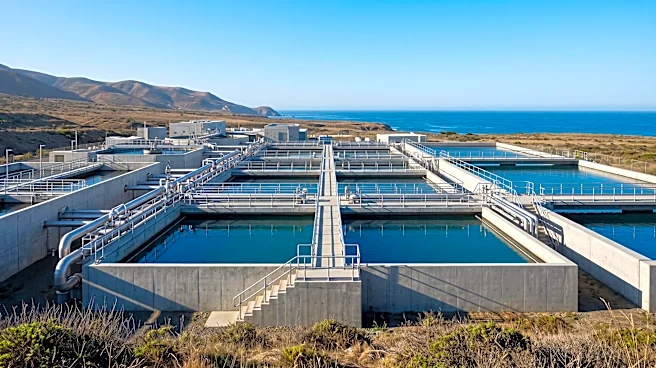
San Diego County Supervisors Tara Lawson Remer and Paloma Aguirre are set to unveil a new proposal aimed at tackling the persistent Tijuana sewage crisis. This initiative seeks to design and implement a treatment system on the U.S. side of the border
to intercept raw sewage before it contaminates San Diego communities and beaches. The problem involves up to 50 million gallons of toxic waste and sewage flowing daily from the Tijuana River into the Pacific Ocean, posing significant risks to public health and the environment. Long-time residents and surfers, like Brandon Garay, express frustration over the lack of effective solutions despite previous promises. The supervisors plan to reveal specific details of the proposal at a press conference, with the construction of the treatment infrastructure expected to occur in phases. The goal is to protect public health, the environment, and the local economy, and to remove the Tijuana River from the American Rivers conservation group's most endangered list.
Why It's Important?
The Tijuana sewage crisis has profound implications for public health, environmental integrity, and the economy in the San Diego region. The daily influx of raw sewage into the Pacific Ocean exposes residents and tourists to toxic waste, leading to potential health issues and beach closures. This directly impacts the local tourism industry, a significant economic driver for San Diego, as beachgoers and surfers are deterred by contaminated waters. Environmentally, the pollution threatens marine ecosystems and wildlife, further degrading natural resources. The inclusion of the Tijuana River on the American Rivers conservation group's most endangered list highlights the severity and long-standing nature of the problem. A successful intervention could restore public confidence in the safety of coastal areas, boost local businesses dependent on tourism, and significantly improve the ecological health of the region. Conversely, continued inaction would perpetuate health risks, economic losses, and environmental degradation.
What's Next?
County Supervisors Tara Lawson Remer and Paloma Aguirre are scheduled to hold a press conference to unveil the specifics of their new plan to address the Tijuana sewage crisis. While the exact details of the proposal are currently under wraps, it is anticipated that the plan will outline the design and phased construction of a treatment system on the U.S. side of the border. This system aims to prevent raw sewage from the Tijuana River from reaching San Diego's communities and beaches. Following the announcement, stakeholders, including environmental groups, local residents, and cross-border agencies, will likely scrutinize the proposal for its feasibility, funding mechanisms, and projected timeline. The success of this initiative will depend on securing necessary resources, inter-agency cooperation, and potentially international collaboration with Mexican authorities to manage the transboundary pollution issue effectively. Public and political reactions to the proposed solutions will be crucial in determining the next steps and the pace of implementation.
Beyond the Headlines
The Tijuana sewage crisis extends beyond immediate environmental and health concerns, touching upon complex international relations and environmental justice issues. The transboundary nature of the pollution highlights the challenges of managing shared natural resources between two sovereign nations, requiring diplomatic efforts and coordinated infrastructure development. For communities in the South Bay of San Diego, who disproportionately bear the brunt of the pollution, this crisis is a matter of environmental justice, as their access to clean water and healthy environments is compromised. The proposed U.S.-side treatment system, while a step towards mitigation, also raises questions about long-term solutions that address the root causes of inadequate wastewater infrastructure in Tijuana. This situation underscores the need for sustainable cross-border environmental policies and funding mechanisms that ensure equitable access to environmental health for all affected populations, rather than merely managing symptoms.