






What's Happening?
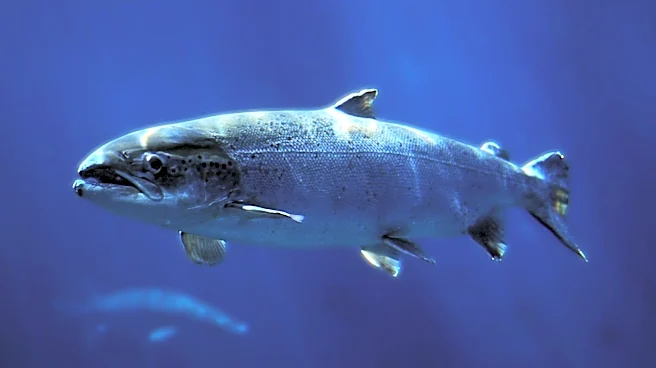
Salmon shortages on the Yukon River are having significant health impacts on local Indigenous communities. The collapse of salmon runs, particularly Chinook and chum salmon, has disrupted traditional diets and cultural practices. The shortages have led
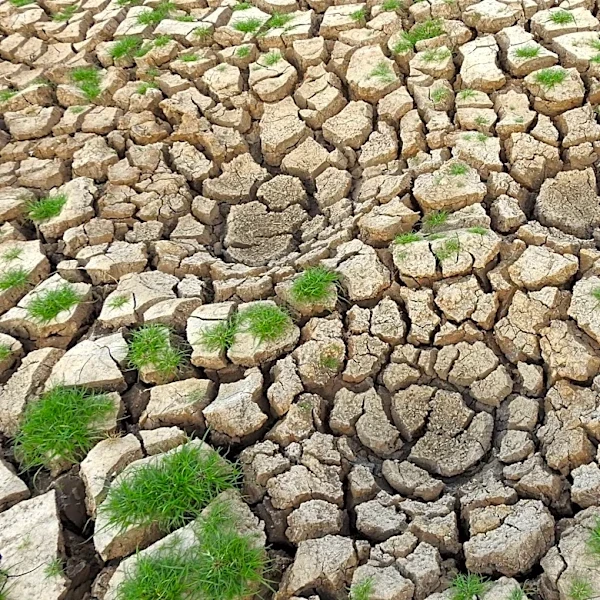
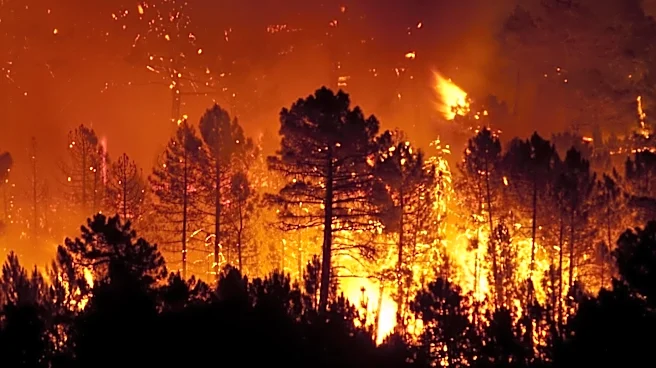
to increased reliance on less nutritious store-bought foods, contributing to rising rates of diabetes and other health issues. The situation is exacerbated by climate change and environmental factors affecting salmon populations. Efforts are underway to address these challenges through cultural initiatives and advocacy for sustainable fishery management.
Why It's Important?
The decline in salmon populations on the Yukon River highlights the interconnectedness of environmental health and community well-being. The loss of a key dietary staple has profound implications for the physical and cultural health of Indigenous communities. This situation underscores the need for comprehensive strategies to address climate change impacts and support sustainable resource management. It also emphasizes the importance of preserving traditional knowledge and practices as part of broader efforts to improve health outcomes and resilience in rural communities.