








What's Happening?
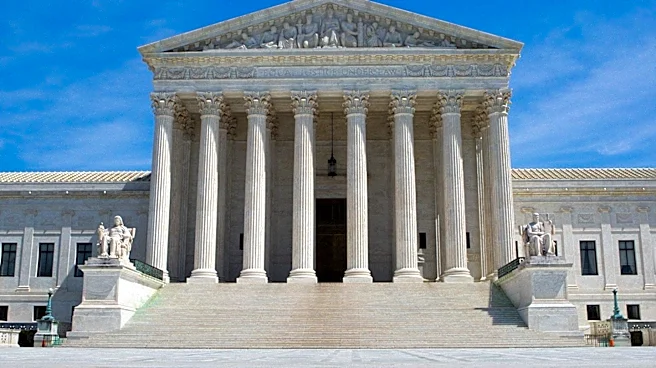
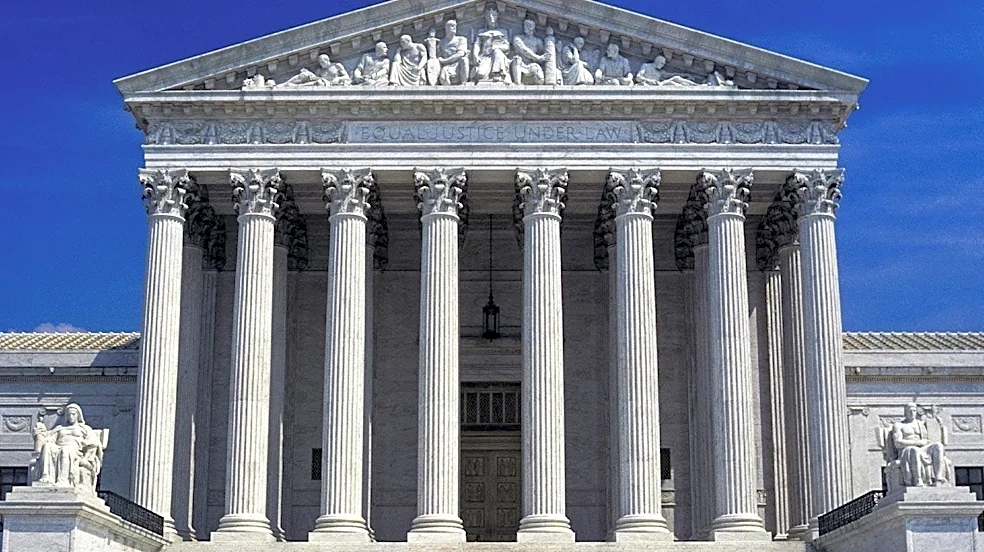
The Supreme Court heard arguments in *Beaird v. United States*, a case examining the level of deference courts should give to the U.S. Sentencing Commission’s commentary interpreting federal sentencing guidelines. The central question was whether the Court’s
1993 decision in *Stinson v. United States*, which established that such commentary is authoritative unless it violates the Constitution, a federal statute, or is inconsistent with the guideline, remains valid. The justices, by a wide margin, appeared disinclined to change the traditional approach to deference for the commission’s guidelines commentary. While lower courts had questioned *Stinson*'s validity following the 2019 *Kisor v. Wilkie* decision, which limited deference to agency interpretations of their own regulations, the Supreme Court justices conveyed little interest in using *Beaird* to revisit *Kisor*. Chief Justice John Roberts and Justice Brett Kavanaugh emphasized the advisory nature of the guidelines, suggesting that deference to commentary in this context is distinct from agency deference in other areas.
Why It's Important?
This case is important because it clarifies the stability of sentencing practices within the federal judiciary. If the Supreme Court had significantly altered the deference given to the Sentencing Commission's commentary, it could have introduced considerable uncertainty and inconsistency in federal sentencing. The current system, where commentary provides authoritative guidance, helps ensure a degree of uniformity and predictability in sentencing outcomes across different courts. A change could have led to more disparate sentences for similar crimes, potentially undermining the fairness and perceived legitimacy of the federal justice system. The justices' apparent decision to maintain the status quo suggests a preference for judicial efficiency and the established framework for interpreting sentencing guidelines, which are advisory but heavily relied upon by judges. This outcome benefits both prosecutors and defense attorneys by preserving a clear interpretive framework, even as the guidelines themselves remain advisory.
What's Next?
The Supreme Court's ruling in *Beaird v. United States* is expected to affirm the continued deference to the U.S. Sentencing Commission's commentary, largely preserving the framework established by *Stinson v. United States*. This means that federal judges will likely continue to treat the commentary as authoritative guidance when interpreting sentencing guidelines, even though the guidelines themselves are advisory. The decision will likely reinforce the commission's role in shaping federal sentencing practices through its detailed explanations and interpretations. While the specific language of the ruling will be crucial, the oral arguments suggest that the Court will narrowly tailor its decision to the context of advisory sentencing guidelines, distinguishing it from broader questions of agency deference. This outcome will provide clarity for federal courts and legal practitioners, ensuring that the interpretive tools for sentencing remain consistent and predictable.
Beyond the Headlines
The discussion surrounding *Beaird v. United States* touches upon a deeper tension within the legal system: the balance between judicial discretion and the need for consistent application of law. While federal sentencing guidelines are advisory, the commentary provides a crucial layer of interpretation that helps judges navigate complex legal texts and apply them fairly. Justice Sonia Sotomayor highlighted the practical necessity of this commentary, noting that without it, judges would face a 'sea of confusion' in interpreting terms like 'large capacity magazine.' This underscores the often-overlooked role of administrative bodies like the Sentencing Commission in providing practical guidance that ensures the workability of legal statutes. The Court's likely decision to uphold deference to this commentary reflects an understanding that, in certain specialized areas, expert interpretation is essential for the effective functioning of the judiciary, even if it raises questions about the precise boundaries of agency authority.