




What's Happening?
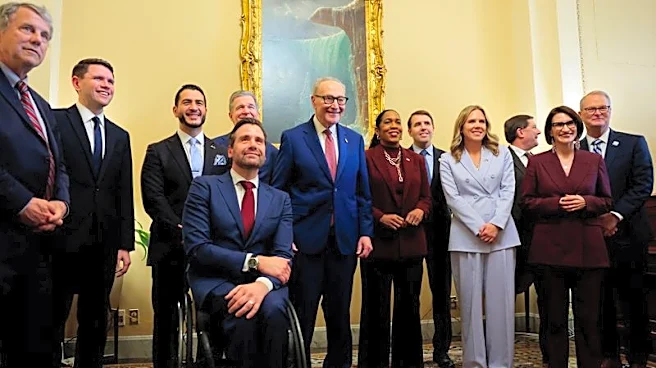
U.S. Senator Maria Cantwell (D-WA), alongside 12 Senate colleagues including Senator Angus King (I-ME), has introduced new legislation aimed at ensuring Iran War veterans receive coverage under the PACT Act. This bill seeks to eliminate bureaucratic hurdles,
making it easier for service members exposed to toxic substances during their deployment in Iran to access necessary treatment. The PACT Act, enacted four years ago, facilitated healthcare access for veterans exposed to toxic substances by establishing a list of presumed-exposure locations. However, Iran is currently not on this list, despite troops in the Iran War facing similar hazards. The proposed 'New PACT for Iran Veterans Act' would mandate the Department of Veterans Affairs (VA) to add Iran to the covered locations and proactively review all overseas assignments for toxic substance exposures every five years. It also requires the VA Secretary to publicly justify any denial of a country recommended for presumed toxic exposure or removal of existing presumptions.
Why It's Important?
This legislation is crucial for ensuring that all U.S. veterans, particularly those who served in the Iran War, receive the healthcare and disability compensation they have earned. By statutorily presuming toxic substance exposure for Iran War veterans, the bill would streamline their access to VA benefits, addressing a current gap in coverage. The proactive review requirement for overseas assignments signifies a shift towards preventing future delays in care for veterans exposed to hazards in new conflicts. This move could set a precedent for how the VA handles emerging health concerns related to military service, potentially impacting thousands of service members and their families. Organizations like Disabled American Veterans (DAV), Iraq and Afghanistan Veterans of America (IAVA), and Veterans of Foreign Wars (VFW) have endorsed the bill, highlighting its significance for the veteran community.
What's Next?
The 'New PACT for Iran Veterans Act' will now proceed through the legislative process in the Senate. Its introduction by a bipartisan group of senators suggests a level of support, but it will need to gain further traction to pass both chambers of Congress and be signed into law. If enacted, the VA would be required to implement the new provisions, including adding Iran to the list of presumed-exposure locations and establishing a regular review process for military environmental exposures. Veterans who served in Iran are encouraged to contact the VA for information on benefits or to file claims, as the legislative process unfolds. The bill's progress will be closely watched by veteran advocacy groups and military families.
Beyond the Headlines
The introduction of this bill underscores a broader, ongoing national conversation about the long-term health consequences of military service and the government's responsibility to its veterans. The PACT Act itself was a landmark piece of legislation, acknowledging the widespread impact of toxic exposures. This new bill extends that commitment, reflecting an evolving understanding of military health risks and the need for adaptive policy. It also highlights the challenges veterans face in navigating bureaucratic systems to access care, even for conditions directly linked to their service. The emphasis on transparency from the VA Secretary regarding denials of presumed-exposure locations could foster greater trust and accountability within the system, potentially influencing future policy decisions related to veteran care.