





What's Happening?
The Artemis II mission has concluded with the successful return of its crew after a 10-day journey around the Moon. The mission, which involved a lunar flyby, marked the farthest distance humans have traveled from Earth, surpassing the record set by Apollo
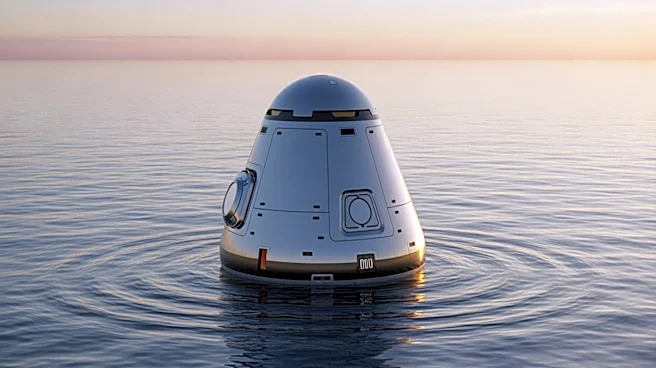
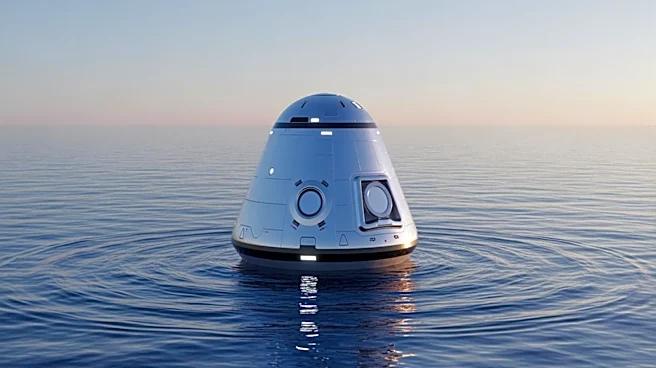
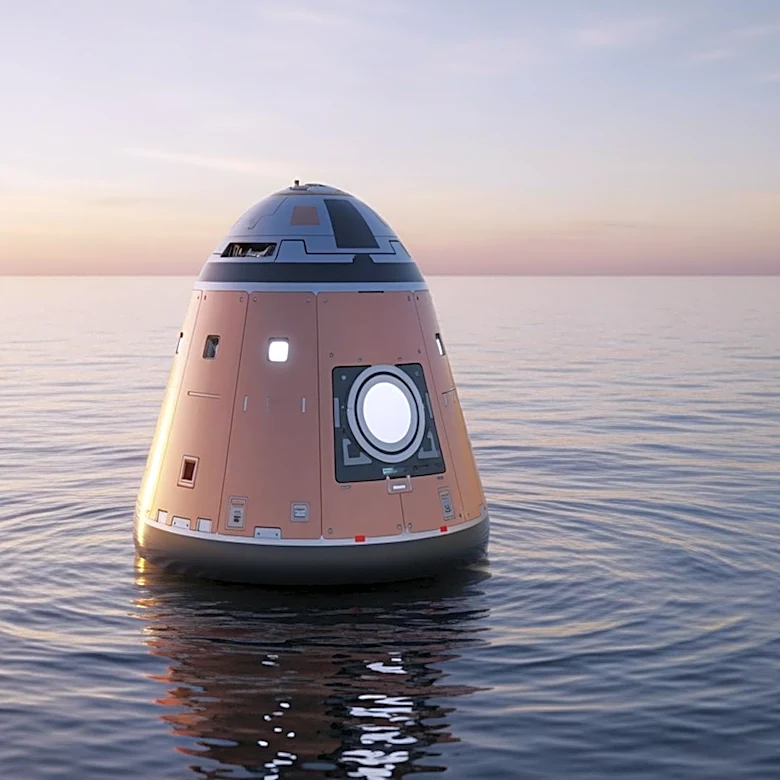
13. The crew, consisting of Commander Reid Wiseman, Pilot Victor Glover, and Mission Specialists Christina Koch and Jeremy Hansen, splashed down in the Pacific Ocean near San Diego. The mission demonstrated the capabilities of the Orion spacecraft and the Space Launch System (SLS), proving their readiness for future deep-space missions.
Why It's Important?
Artemis II represents a major step forward in NASA's Artemis program, which aims to return humans to the Moon and establish a sustainable presence there. The mission's success validates the technology and systems needed for future lunar exploration, including the upcoming Artemis III mission. The data collected during the mission will inform the design and operation of future missions, helping to ensure the safety and success of astronauts as they explore the Moon and beyond. The mission also highlights the importance of international collaboration in advancing space exploration.
What's Next?
With Artemis II complete, NASA is now preparing for Artemis III, which will test docking capabilities with commercial lunar landers. This mission will be crucial for landing astronauts on the Moon and establishing a lunar base. NASA plans to continue developing the technology and infrastructure needed for sustained lunar exploration, with the goal of eventually sending humans to Mars. The success of Artemis II has set the stage for these ambitious plans, and NASA is working with international partners to achieve them.