






What's Happening?
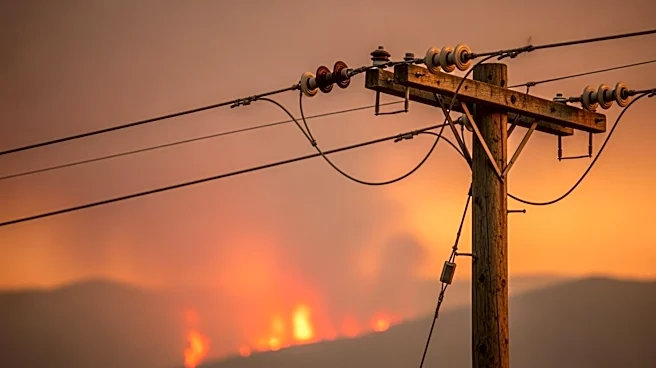
Electric cooperatives across the United States are actively engaging in wildfire risk reduction, response, and recovery efforts. These cooperatives manage extensive power lines that traverse forests, grasslands, and federally managed lands, which are increasingly
susceptible to wildfires due to hotter, drier conditions and extended fire seasons. The cooperatives are implementing proactive strategies such as expanding vegetation management programs, removing hazardous trees, and upgrading infrastructure to enhance resilience. Despite these efforts, outdated federal policies are hindering progress. Current regulations limit the removal of hazardous trees to a mere 10 feet from power lines, which is insufficient to protect critical infrastructure. Additionally, cooperatives face financial constraints as not-for-profit entities, making it challenging to absorb rising costs associated with wildfire mitigation.
Why It's Important?
The increasing frequency and severity of wildfires pose significant threats to communities, infrastructure, and the reliability of the electric grid nationwide. Electric cooperatives, serving 42 million Americans, are at the forefront of addressing these challenges. However, without policy changes, the financial burden of wildfire mitigation will fall on the communities they serve. The Fix Our Forests Act, proposed by House Natural Resources Committee Chairman Bruce Westerman, aims to modernize forest management and reduce wildfire risk. By expanding vegetation management authority and streamlining federal permitting, the bill would empower cooperatives to act more swiftly and effectively, ultimately enhancing grid reliability and community safety.
What's Next?
The Fix Our Forests Act has been passed by the House with bipartisan support and awaits further legislative action. If enacted, the bill would allow cooperatives to remove hazardous trees up to 150 feet from power lines and expedite federal permitting processes. These changes would enable faster maintenance and hazard removal, reducing wildfire risks and improving grid resilience. As the demand for electricity continues to rise, ensuring the reliability and safety of the grid is crucial. The passage of this legislation would represent a significant step towards aligning federal policies with the realities faced by electric cooperatives and the communities they serve.