








What's Happening?
Human Rights Watch has reported on the severe human rights situation in Afghanistan since the Taliban regained control five years ago. The organization highlights the Taliban's restrictive policies, particularly against women and girls, who have been
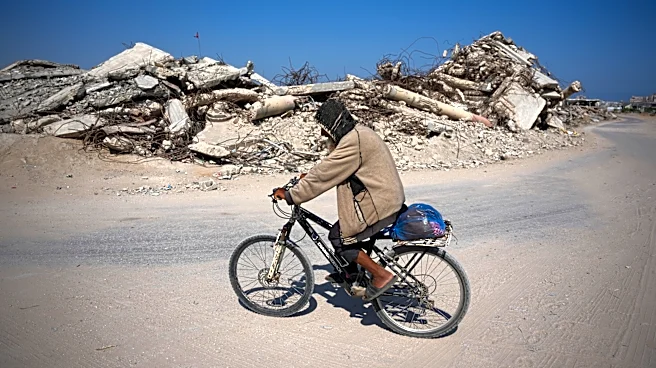
barred from education and face severe limitations on employment and freedom of movement. The report also notes the intimidation and violence against journalists, activists, and former government security forces. Afghanistan is experiencing a humanitarian crisis, with half the population needing food and medical aid, exacerbated by the return of refugees from Pakistan and Iran. Efforts for justice have seen some progress with the International Criminal Court issuing arrest warrants and the establishment of a UN investigative body.
Why It's Important?
The situation in Afghanistan under Taliban rule has significant implications for international human rights and humanitarian efforts. The restrictions on women and girls represent a major setback for gender equality and education rights. The humanitarian crisis, with millions facing malnutrition and inadequate health services, poses a challenge for global aid organizations. The lack of accountability for human rights abuses could undermine international justice efforts. The situation also affects regional stability, with renewed conflicts and refugee movements impacting neighboring countries.
What's Next?
Efforts to address the human rights crisis in Afghanistan may involve increased international pressure on the Taliban to adhere to human rights norms. The international community might enhance support for humanitarian aid and refugee assistance. The ongoing work of the International Criminal Court and the UN investigative body could lead to further legal actions against those responsible for human rights abuses. Continued advocacy by organizations like Human Rights Watch will be crucial in keeping global attention on the situation.