



What's Happening?
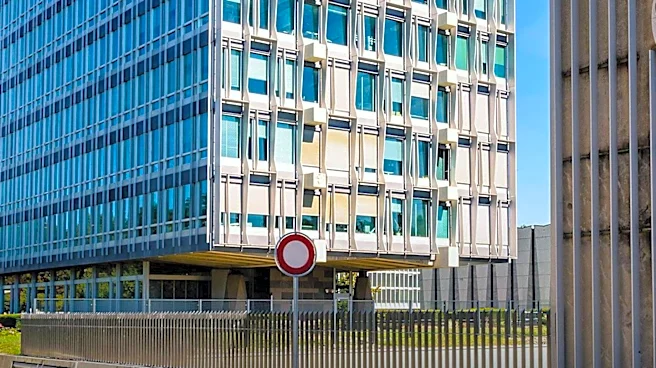
The World Health Organization (WHO) has voiced significant concern regarding the Democratic Republic of the Congo's (DRC) worst cholera outbreak in decades. So far this year, over 60,000 cases and 1,800 deaths have been reported. While most infections
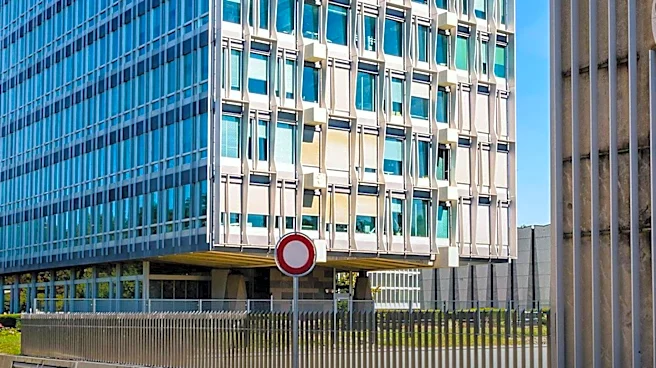
have been concentrated in the eastern provinces of North and South Kivu, cases have now emerged in the Congo River basin, increasing the risk of the epidemic reaching the capital city, Kinshasa. Director-General Tedros Adhanom Ghebreyesus highlighted the severity of the situation during a press conference at WHO headquarters in Geneva. The DRC is simultaneously battling a severe Ebola outbreak, which, along with limited access in remote, conflict-affected areas, complicates response efforts for both diseases. The ongoing rainy season is also a concern, as it could further fuel the spread of cholera, a highly virulent disease characterized by acute watery diarrhea that can lead to severe dehydration and death if untreated.
Why It's Important?
The cholera outbreak in the DRC, coupled with the ongoing Ebola crisis, presents a critical public health challenge with potential regional and international implications. The possible spread of cholera to Kinshasa, a densely populated capital, could overwhelm healthcare infrastructure and lead to a rapid increase in cases and fatalities. The dual health emergencies strain already limited resources and personnel, making effective containment and treatment more difficult. For the U.S., such outbreaks in other parts of the world underscore the importance of global health security and preparedness, as infectious diseases can spread rapidly across borders through international travel and trade. The situation highlights the need for continued international support for public health initiatives in vulnerable regions to prevent wider humanitarian crises and potential global health threats.
What's Next?
The WHO is closely monitoring the situation and is likely to continue advocating for increased international aid and resources to combat the cholera and Ebola outbreaks in the DRC. Efforts will focus on strengthening surveillance, improving access to clean water and sanitation, and providing rapid treatment to affected populations, particularly in the Congo River basin to prevent further spread to Kinshasa. The international community will need to coordinate to provide humanitarian assistance, medical supplies, and expert support to the DRC. Addressing the challenges posed by conflict-affected areas and the rainy season will be crucial for effective response and containment strategies. Public health campaigns to educate communities on hygiene and early symptom recognition will also be vital in mitigating the impact of the epidemic.
Beyond the Headlines
The ongoing health crises in the DRC, particularly the simultaneous outbreaks of cholera and Ebola, expose deeper systemic issues such as inadequate public health infrastructure, political instability, and the impact of climate change (e.g., rainy season exacerbating disease spread). These events highlight the disproportionate burden of infectious diseases on developing nations and the ethical imperative for global health equity. The challenges in reaching remote, conflict-affected areas also underscore the complex interplay between health, security, and humanitarian access. Long-term solutions will require not only immediate medical intervention but also sustainable development initiatives, peace-building efforts, and investments in resilient health systems to prevent future outbreaks and protect vulnerable populations from recurrent health emergencies.