
What's Happening?
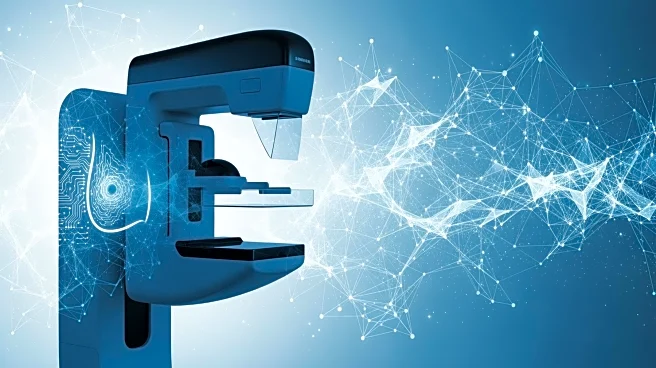
A landmark clinical trial in Sweden has demonstrated that AI-assisted mammography can significantly improve the detection of breast cancer, particularly aggressive forms, compared to traditional methods.
The Mammography Screening with Artificial Intelligence (MASAI) trial involved over 100,000 women aged 40 to 80 and utilized a commercially available AI system trained on more than 200,000 examinations globally. The AI system provided a risk score for mammograms, which were then reviewed by radiologists based on the score. The trial found that AI-supported screenings identified more clinically relevant cancers and reduced the number of interval cancer diagnoses, which are cancers that develop between regular screenings. This suggests that AI can help detect cancers that might be missed by human radiologists, allowing for earlier medical intervention.
Why It's Important?
The use of AI in mammography could have significant implications for breast cancer screening and treatment. By improving the detection of clinically relevant cancers, AI-assisted screenings can potentially reduce the incidence of late-stage cancer and improve patient outcomes. This is particularly important in areas with a shortage of radiologists, as AI can help alleviate the workload and maintain high performance levels without fatigue. Additionally, the trial showed that AI-assisted screenings did not increase the risk of false positives, which can lead to unnecessary stress and treatment for patients. The findings suggest that AI could become a valuable tool in diagnostic medicine, enhancing the efficacy of screening programs and potentially saving lives.
What's Next?
Following the success of the MASAI trial, researchers plan to conduct a screening trial in Ethiopia, where AI will support the rapid assessment of breast cancer using bedside ultrasounds. This initiative aims to improve access to accurate screening in resource-limited settings, where many women present with late-stage disease due to the lack of radiologists. The trial's success could encourage the adoption of AI-assisted mammography in other regions, potentially transforming breast cancer screening practices worldwide. As AI technology continues to advance, its integration into medical diagnostics could expand, offering new opportunities for early detection and treatment of various diseases.