




What's Happening?
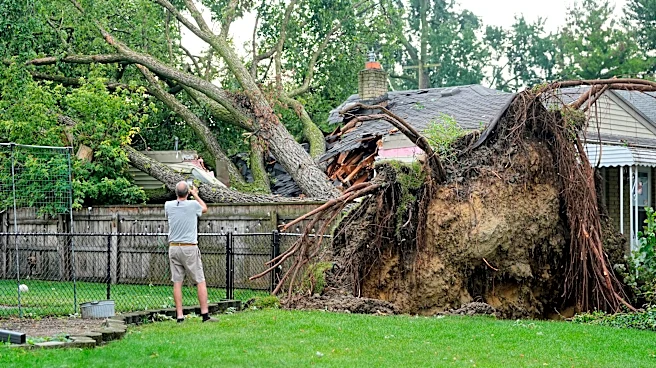
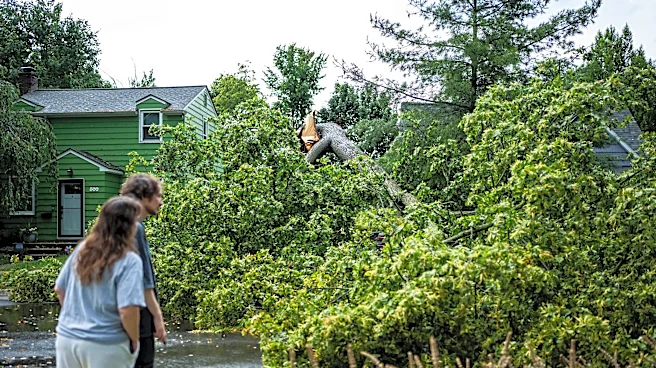
Approximately 300,000 DTE Energy customers in Metro Detroit and a broader section of Michigan are currently without power due to severe weather that impacted the region on Thursday. This latest round of outages follows an earlier storm, leaving many areas,
including downtown Detroit, Macomb County, and parts of Southern Wayne and Northern Oakland Counties, significantly affected. DTE Energy has deployed over 3,400 crews, including personnel from outside Michigan, to address the extensive damage. The utility had previously estimated that 80% of customers affected by Wednesday morning's storms would have power restored, but the new severe weather system, bringing winds up to 60 mph, has complicated restoration efforts. As of 6:15 p.m. EDT on Thursday, DTE has not provided a timeline for when power will be fully restored to the newly impacted areas. Customers are advised to stay at least 25 feet away from downed power lines and report them to DTE.
Why It's Important?
The widespread power outages in Metro Detroit have significant implications for residents and businesses, disrupting daily life and economic activity. For households, prolonged outages can lead to food spoilage, lack of heating or air conditioning, and communication challenges, especially for vulnerable populations. Businesses, particularly small and medium-sized enterprises, face operational halts, loss of revenue, and potential damage to inventory. The repeated nature of these severe weather events and subsequent power failures highlights the vulnerability of critical infrastructure to climate-related impacts. The deployment of thousands of crews, including external support, underscores the scale of the challenge and the resources required for recovery. The lack of a clear restoration timeline creates uncertainty and hardship, emphasizing the need for resilient power grids and effective emergency response strategies to mitigate the economic and social costs of such disruptions.
What's Next?
DTE Energy's immediate focus will remain on power restoration, with over 3,400 crews working to address the outages. The utility will likely continue to update customers on progress, although a specific timeline for full restoration is currently unavailable. Residents should prepare for extended periods without electricity, securing alternative power sources if possible and taking precautions regarding food safety and personal well-being. Local authorities will likely continue to monitor the situation and may open cooling or warming centers depending on weather conditions. In the longer term, these recurring severe weather events may prompt discussions and investments in grid modernization and hardening to enhance resilience against future storms. DTE will also need to manage public expectations and communication effectively as restoration efforts continue.
Beyond the Headlines
Beyond the immediate inconvenience, these widespread power outages expose deeper societal and infrastructural challenges. The increasing frequency and intensity of severe weather events, potentially linked to climate change, place immense strain on aging utility infrastructure. This situation raises questions about the adequacy of current grid designs and maintenance protocols to withstand modern environmental pressures. Furthermore, the economic disparity in preparedness for such events becomes evident, as lower-income households often lack the resources for generators or alternative accommodations, exacerbating the impact of prolonged outages. The reliance on external crews for restoration also highlights a potential strain on regional resources during widespread disasters. This event could catalyze broader policy discussions on infrastructure investment, climate resilience, and equitable access to essential services, pushing for more robust and adaptable utility systems nationwide.