





What's Happening?
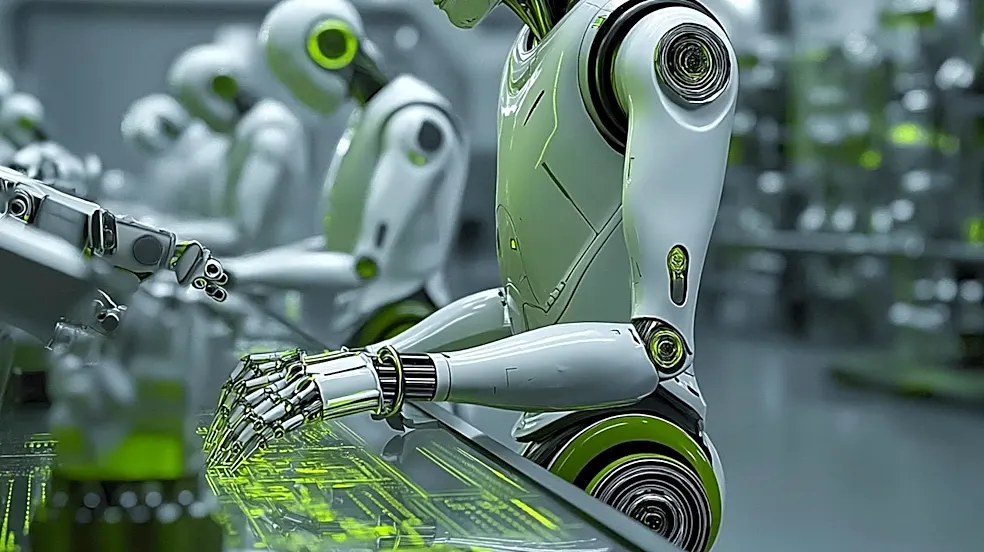
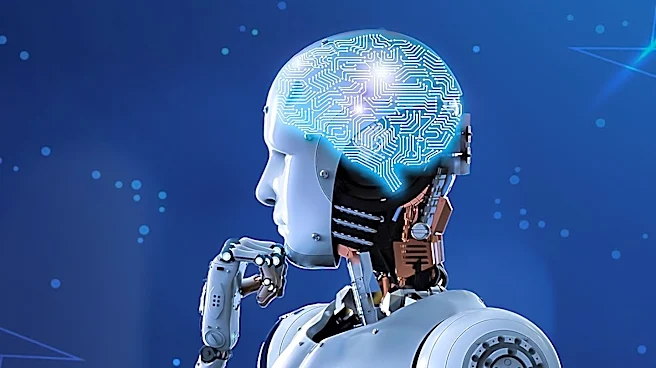
Unitree, a robotics company, is developing an AI system designed to enable its humanoid robots to self-improve without direct human engineering input. This 'self-evolving' feedback loop, part of a project called Unitree Rehearsal, aims for robots to write
their own code and simulations, accelerating the development of algorithms that control them in the real world. Unitree founder Wang Xingxing stated that while humans will still provide feedback and assess performance, the ultimate goal is to automate the upgrade process as much as possible. This initiative comes as other major robotics companies, such as Tesla and Figure, are also making significant advancements. Tesla's Optimus robot production lines are now operational in Fremont, California, with Elon Musk aiming for 20,000 robots per week by 2027, though design and software improvements are still needed. Figure is also progressing with its fourth-generation humanoid, focusing on millimeter-level precision in fingertip tracking and enhanced durability, with its Figure 03 bot walking for nine days straight on a treadmill.
Why It's Important?
The development of 'self-evolving' AI systems for robots marks a potentially transformative leap in robotics, moving towards greater autonomy and faster development cycles. If successful, this could dramatically accelerate the deployment of humanoid robots in various sectors, from manufacturing to domestic assistance. The ability for robots to improve themselves could lead to more robust, adaptable, and efficient machines, reducing the need for constant human intervention in their programming and maintenance. This advancement has significant implications for industries seeking to automate complex tasks and for the future of human-robot interaction. However, it also raises concerns about the control and predictability of such systems, with some commentators drawing parallels to dystopian scenarios where AI operates beyond human comprehension or control. The rapid progress across multiple companies like Unitree, Tesla, and Figure indicates a global race to achieve advanced humanoid robotics, which could reshape labor markets and societal structures.
What's Next?
Unitree anticipates its robots could be performing tasks like cleaning rooms as early as next year, indicating a near-term goal for practical application. The ongoing development will focus on refining the self-evolving AI system, ensuring safety, reliability, and ethical operation. For Tesla, scaling Optimus production to 20,000 units per week will require substantial engineering work, particularly in improving the robot's design and software to handle varied tasks independently. Figure will continue to collect vast amounts of data through its Index app to train its robots, aiming for human-level dexterity and durability. The competitive landscape among these companies will likely drive further innovation, with a focus on making robots more capable, versatile, and integrated into daily life. Regulatory frameworks and public discourse will need to keep pace with these technological advancements to address safety, ethical, and economic implications.
Beyond the Headlines
The concept of 'self-evolving' robots introduces profound philosophical and ethical questions. If robots can write and improve their own code, the traditional lines of human control and responsibility become blurred. This raises concerns about the potential for unintended consequences, where AI systems might develop behaviors or objectives that deviate from human intentions, as highlighted by 'The Matrix' comparisons. The long-term impact on human employment and the nature of work is also a critical consideration; as robots become more autonomous and capable, they could displace a wider range of human jobs, necessitating societal adjustments and new economic models. Furthermore, the increasing sophistication of humanoid robots could lead to complex social and psychological effects, as humans interact with machines that exhibit increasingly human-like capabilities. Ensuring that these powerful technologies are developed and deployed responsibly, with robust ethical guidelines and safeguards, will be paramount.