






What's Happening?
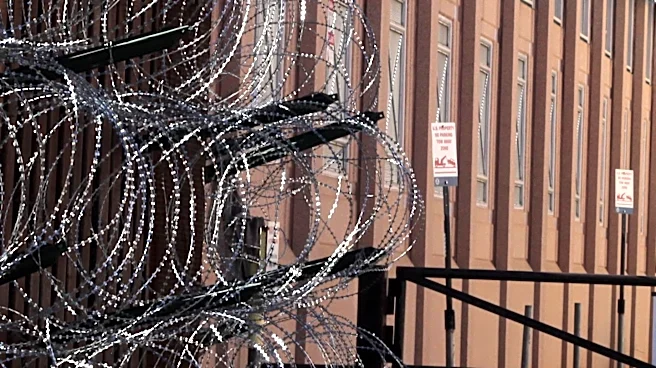
Congressman Rob Menendez, alongside Congressional Hispanic Caucus President Adriano Espaillat and Congresswoman Analilia Mejia, revisited the Delaney Hall immigrant detention center in New Jersey. Their visit confirmed ongoing concerns that immigrants
held there are being 'dangerously underserved.' The Democratic legislators inspected the facility, operated by GEO Group, following persistent complaints about substandard conditions. Issues identified include spoiled food, inadequate or non-functional air conditioning, and significant concerns regarding access to timely and appropriate medical care. Detainees reported delays or denials of medical attention, unsafe food, and dangerous living conditions due to poor air conditioning. This visit follows a previous inspection by Espaillat and other congresspersons in May. Delaney Hall, the largest immigrant detention center on the East Coast with a capacity for 1,196 individuals, was previously the site of a hunger strike by detainees protesting similar conditions, which ended in June due to disciplinary measures and intimidation, according to activists.
Why It's Important?
The findings from Congressman Menendez and his colleagues highlight critical failures in the care and oversight of individuals held in federal custody at Delaney Hall. This situation underscores broader concerns about the treatment of immigrants in detention facilities across the U.S. The reported conditions, including inadequate medical care and unsafe living environments, raise serious human rights questions and could lead to increased scrutiny of private detention operators like GEO Group and federal agencies like ICE. Such reports can fuel public debate on immigration policy, detention standards, and the accountability of entities responsible for the welfare of detainees. The continued advocacy by congressional members like Menendez signals a sustained effort to push for reforms and better conditions, potentially influencing future legislative actions or policy changes related to immigrant detention.
What's Next?
The congressional delegation's findings are likely to intensify calls for immediate improvements at Delaney Hall and potentially other immigrant detention centers. It is probable that these lawmakers will press federal agencies, including ICE and the Department of Homeland Security, for investigations and corrective actions. Further congressional hearings or legislative proposals aimed at reforming detention standards and increasing oversight of private contractors like GEO Group could emerge. Advocacy groups and immigrant rights organizations are also expected to leverage these findings to amplify their demands for better treatment of detainees and potential alternatives to detention. The ongoing pressure from elected officials may lead to policy shifts or increased federal funding for improved conditions, though significant systemic changes often face political hurdles.
Beyond the Headlines
The recurring issues at Delaney Hall, as highlighted by Congressman Menendez and his colleagues, point to a systemic challenge within the U.S. immigration detention system. The reliance on private corporations like GEO Group to manage these facilities often raises ethical questions about profit motives potentially compromising detainee welfare. This situation also reflects a broader tension between immigration enforcement and humanitarian concerns. The reported intimidation tactics used to end the previous hunger strike suggest a culture where detainee voices are suppressed, further complicating efforts to address grievances. Long-term implications could include a re-evaluation of the role of private prisons in federal detention, potential legal challenges from detainees, and a continued national dialogue on the moral and practical aspects of immigration detention in the United States.




