


What's Happening?
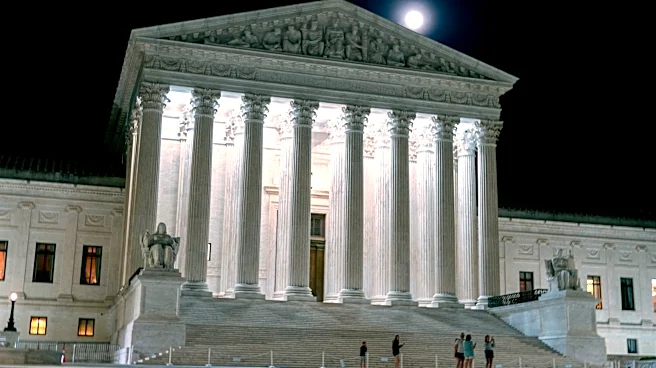
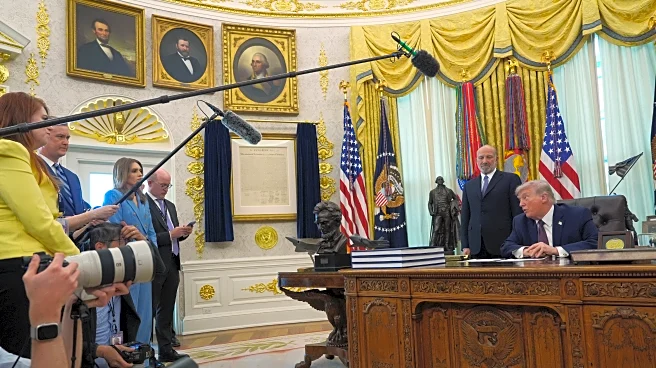
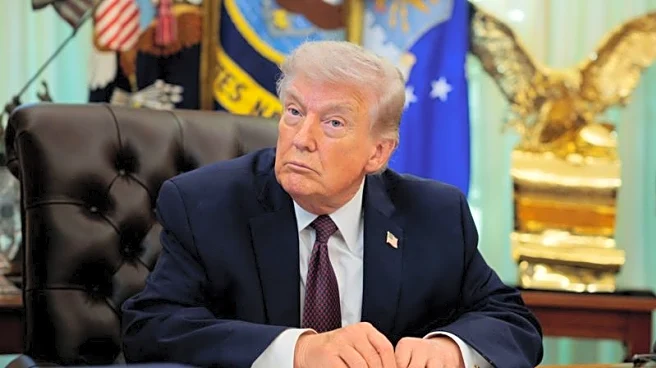
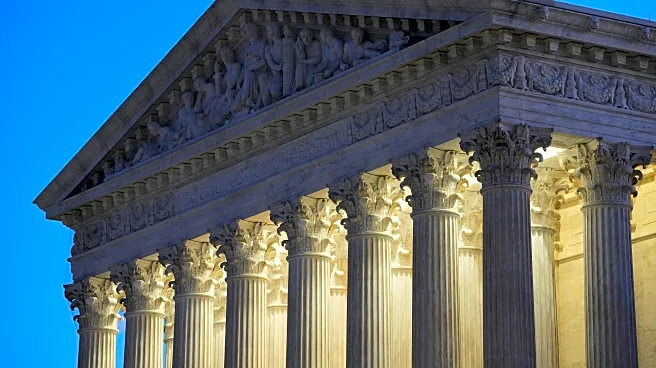
The U.S. Supreme Court is set to hear a significant case involving President Trump's executive order aimed at limiting birthright citizenship. The order seeks to deny citizenship to children born in the United States to parents who are in the country
illegally or temporarily. This case follows a lower-court ruling from New Hampshire that struck down the restrictions, and similar rulings have blocked the order from taking effect nationwide. The Supreme Court's decision will be pivotal in determining the future of birthright citizenship in the U.S., with a ruling expected by early summer.
Why It's Important?
The outcome of this case could have profound implications for U.S. immigration policy and the interpretation of the 14th Amendment, which grants citizenship to all persons born or naturalized in the United States. A decision in favor of the executive order could alter the legal landscape for millions of individuals and families, potentially leading to increased legal challenges and policy shifts. The case also underscores ongoing debates about immigration and citizenship, reflecting broader political and social tensions in the country. The Supreme Court's ruling will be closely watched by policymakers, legal experts, and immigrant communities.
What's Next?
As the Supreme Court prepares to hear arguments, stakeholders on both sides of the issue are likely to intensify their advocacy efforts. Legal experts and civil rights organizations may file amicus briefs to influence the court's decision. The ruling could prompt legislative responses from Congress, depending on the outcome. Additionally, the decision may impact the upcoming midterm elections, as immigration remains a contentious issue among voters. The case highlights the ongoing struggle over immigration policy and the balance of power between the executive branch and the judiciary.