
What's Happening?
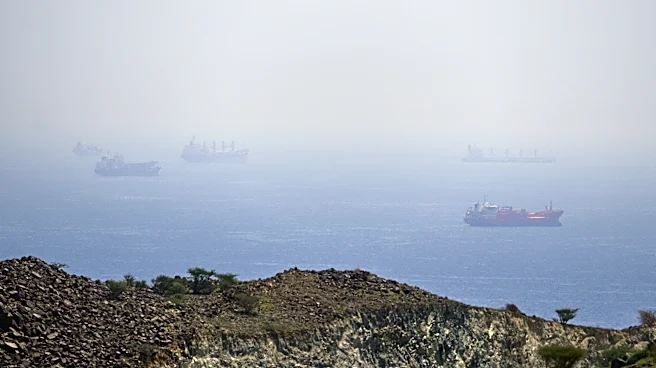
Two Indian-flagged vessels were attacked by Iran while attempting to cross the Strait of Hormuz, despite reportedly having permission from Iranian authorities. The incident has raised concerns in India,
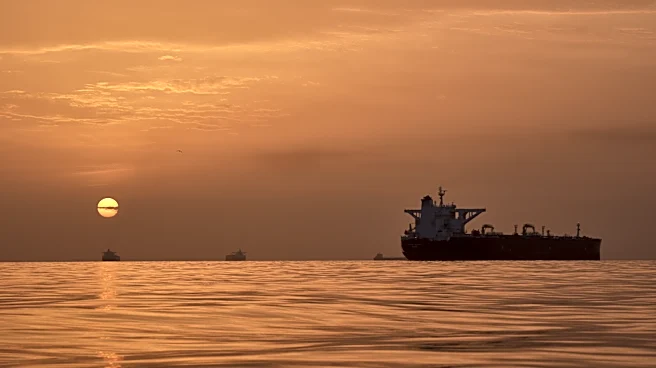
prompting the Indian government to summon Iran's ambassador to express deep concern and urge the resumption of safe passage for Indian ships. The vessels, including the Sanmar Herald, were carrying crude oil when they came under fire. The crew of the attacked vessels is reported to be safe. This development adds to the ongoing tensions in the region, where the U.S. and Iran are engaged in a standoff over the strategic waterway.
Why It's Important?
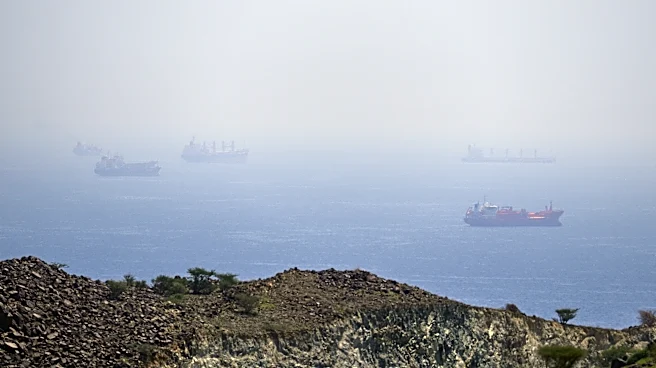
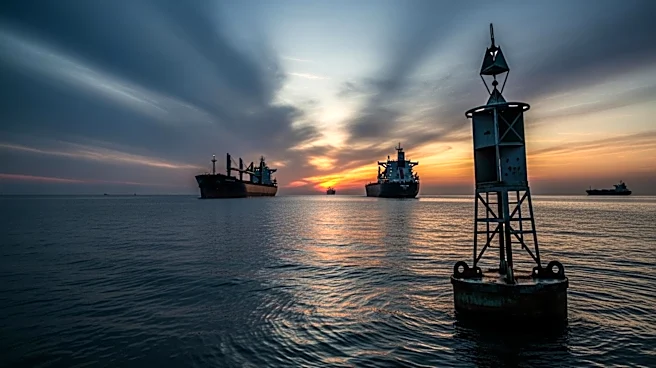
The attack on Indian vessels highlights the broader geopolitical tensions in the Strait of Hormuz, a critical chokepoint for global oil transportation. The incident could strain India-Iran relations and impact India's energy security, as the Strait is a vital route for its oil imports. The situation also underscores the risks faced by international shipping in the region, potentially leading to increased insurance costs and shipping delays. The attack could further complicate diplomatic efforts to resolve the U.S.-Iran conflict, as it involves additional international stakeholders and raises the stakes for regional stability.
What's Next?
India is likely to continue diplomatic efforts to ensure the safety of its vessels and secure passage through the Strait. The incident may prompt India to seek assurances from Iran and other regional powers to prevent future attacks. The broader U.S.-Iran conflict remains unresolved, with upcoming peace talks in Islamabad offering a potential avenue for de-escalation. However, the involvement of additional countries like India could complicate negotiations. The international community will be watching closely to see how these developments affect the stability of the Strait and the global oil market.