







What's Happening?
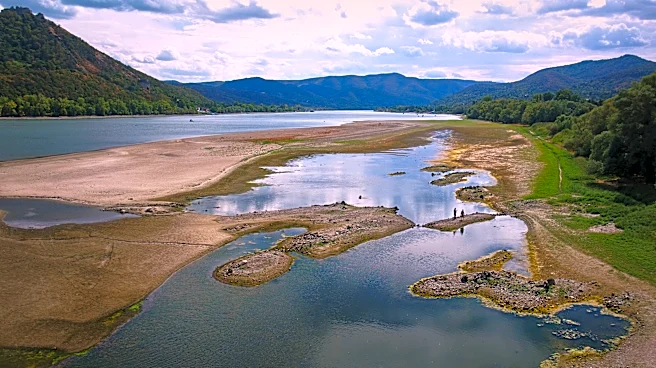
Europe is experiencing one of its hottest summers on record, leading to critically low water levels in major rivers like the Rhine, Danube, and Elbe. This severe drought, driven by heat domes blocking cooler Atlantic air and drawing in hot air from North
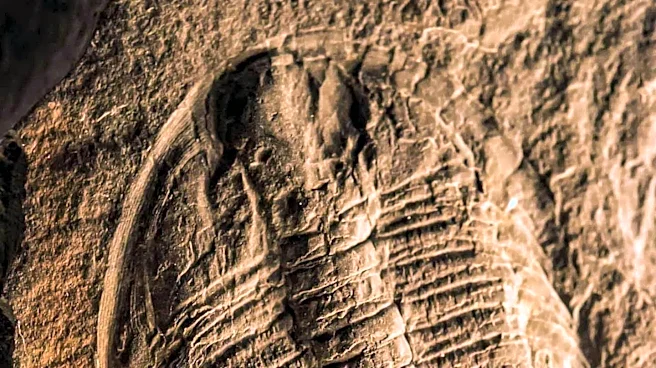
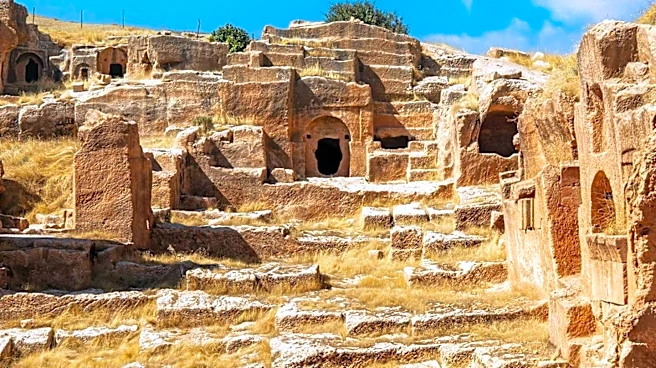
Africa, is causing remnants of lost worlds to emerge from the exposed riverbeds. Among the discoveries are artifacts from World War II, such as scuttled Nazi warships in the Danube, and much older treasures, including Roman altars in the Hungarian portion of the Danube and Bronze Age timber foundations in Italy's Oglio River. Even woolly mammoth bone fragments have been identified near Ryahovo in Bulgaria. The re-emergence of 'hunger stones' in the Elbe, carved with dates marking past droughts, serves as an ominous historical warning.
Why It's Important?
While primarily a European phenomenon, the severe drought and its archaeological revelations have broader implications for the U.S. and global understanding of climate change. The event underscores the escalating impact of climate change on historical preservation and cultural heritage worldwide. For U.S. researchers and institutions, these discoveries offer invaluable opportunities for international collaboration in archaeology, history, and climate science. The re-emergence of WWII relics, in particular, provides new insights into historical events that shaped global politics, including U.S. foreign policy. The 'hunger stones' serve as a stark reminder of historical climate patterns and their potential to recur with greater intensity, influencing U.S. policy discussions on climate adaptation and international aid for climate-affected regions. The event also highlights the interconnectedness of global climate systems and the potential for similar archaeological discoveries in other regions experiencing extreme weather.
What's Next?
Archaeological teams across Europe will continue to survey and excavate the newly exposed riverbeds, likely leading to more discoveries. Efforts will focus on carefully preserving and studying these artifacts, which are vulnerable to atmospheric exposure after centuries underwater. The scientific community will analyze the findings to gain deeper insights into past civilizations, historical events, and ancient ecosystems. Concurrently, climate scientists will continue to monitor and research the underlying causes and long-term trends of such extreme droughts, informing future climate models and mitigation strategies. The re-emergence of 'hunger stones' will likely fuel public discourse and policy debates on climate change, potentially increasing pressure on governments, including the U.S., to accelerate climate action and invest in resilience measures.
Beyond the Headlines
The uncovering of these historical artifacts and relics due to climate change presents a poignant paradox: environmental degradation is revealing invaluable insights into human history. This phenomenon forces a deeper reflection on the transient nature of human endeavors and the enduring power of natural forces. The 'hunger stones' in particular offer a chilling historical echo, connecting past environmental crises with the present climate emergency, suggesting a cyclical pattern of human vulnerability to environmental shifts. This situation also raises ethical questions about the responsibility of modern societies to protect both natural environments and the historical records they contain. It underscores the urgent need for interdisciplinary approaches that integrate archaeology, history, and climate science to understand and address the complex challenges posed by a changing planet, fostering a greater appreciation for both our past and our future.