



What's Happening?
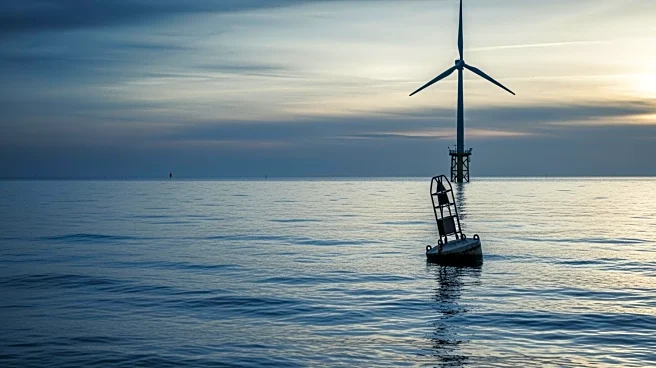
In December 2025, the Trump Administration placed a hold on offshore wind projects from New England to Virginia, pausing development indefinitely. This decision comes amid ongoing discussions about U.S. maritime and energy policy, particularly in the Northeast,
which is a significant hub for offshore wind. The halt has sparked debates about the future of energy policy in the region, with stakeholders expressing a range of views from informed to detached from reality. The discussions have highlighted the complexities of integrating offshore wind into the existing energy landscape, which is already shaped by past decisions to halt natural gas pipeline projects. These decisions have had lasting impacts on energy supply and costs in the region.
Why It's Important?
The suspension of offshore wind projects by the Trump Administration is significant as it affects the energy strategy of the Northeast, a region heavily reliant on diverse energy sources. The decision underscores the challenges of balancing new renewable energy initiatives with existing infrastructure and policy frameworks. The Northeast's energy prices are already higher than the national average, and the halt could exacerbate these costs by delaying the integration of potentially cheaper renewable energy sources. Additionally, the decision highlights the ongoing tension between state-level energy policies and federal maritime laws, such as the Jones Act, which have been cited as obstacles by offshore wind developers. This situation could influence future energy policy decisions and the development of domestic maritime supply chains.
What's Next?
The future of offshore wind in the Northeast will depend on negotiations between state governments and the Trump Administration. Any potential deal would require concessions from both sides, addressing issues such as cost transparency, infrastructure realities, and past policy decisions. Stakeholders, including state officials, developers, and maritime companies, will need to collaborate to find a path forward that aligns domestic energy production with maritime policy and grid reliability. The outcome of these discussions could set a precedent for how renewable energy projects are managed in the U.S., particularly in regions with complex energy needs.
Beyond the Headlines
The halt on offshore wind projects raises broader questions about the U.S.'s commitment to renewable energy and its ability to meet climate goals. The decision may prompt a reevaluation of how energy policies are crafted and the role of federal versus state authority in shaping the energy landscape. It also highlights the need for a more integrated approach to energy policy that considers the interplay between different energy sources, infrastructure, and regulatory frameworks. The situation could lead to long-term shifts in how the U.S. approaches energy independence and sustainability.