


What's Happening?
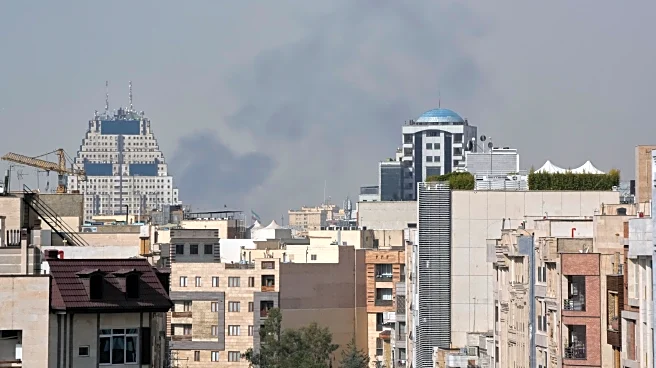
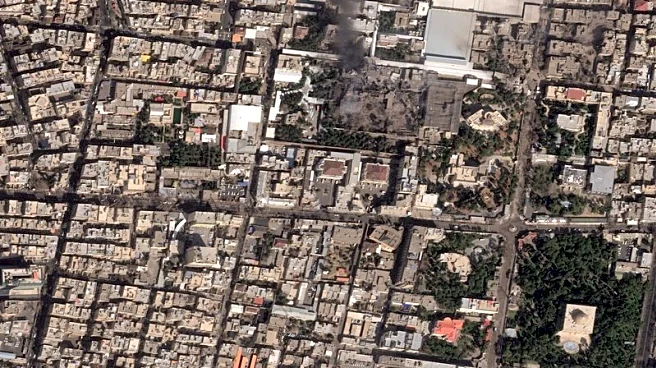
The United States and Israel have initiated military strikes on targets across Iran, with President Trump urging the Iranian people to overthrow their government. This military action marks a significant escalation in tensions between the U.S. and Iran, following
unsuccessful diplomatic negotiations regarding Iran's nuclear activities. The strikes have prompted retaliatory missile attacks from Iran on U.S. and Israeli targets, raising concerns about a broader regional conflict. The situation is further complicated by the involvement of other Middle Eastern countries, which have reported intercepting Iranian missiles.
Why It's Important?
This military escalation could have profound implications for regional stability and global energy markets. The conflict risks drawing in other countries in the Middle East, potentially leading to a wider war. The situation also poses a significant challenge for President Trump, as it could impact his administration's foreign policy legacy and influence upcoming elections. The military action may lead to increased oil prices and economic uncertainty, affecting global markets. Additionally, the conflict highlights the complexities of U.S. foreign policy in the Middle East and the challenges of addressing nuclear proliferation.
What's Next?
The military operation is expected to continue for several days, with potential for further escalation. The U.S. and its allies may face increased diplomatic pressure to de-escalate the situation and seek a peaceful resolution. The international community will likely monitor the situation closely, with potential implications for global security and economic stability. The conflict may also influence future negotiations on Iran's nuclear program and regional security arrangements.