







What's Happening?
A recent Pew Research survey indicates that a significant majority of Americans are deeply concerned about the rising cost of living. Key areas of concern highlighted by participants include healthcare expenses, food prices, consumer goods, housing costs,
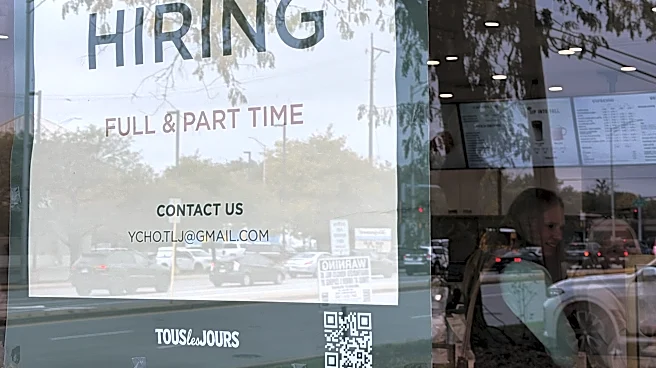
gasoline, and electricity. Beyond these immediate financial pressures, the survey also found that the role of artificial intelligence in the economy and the challenges many individuals face in securing employment are prominent issues. According to Andrew Daniller, Andy Cerda, Hannah Hartig, and J. Baxter Oliphant of Pew, voters overwhelmingly desire that candidates running for Congress prioritize discussions on economic matters, specifically focusing on prices and affordability. This sentiment underscores a broad public demand for political attention to economic stability and individual financial well-being.
Why It's Important?
The widespread concern over the cost of living and economic issues has significant implications for U.S. politics and public policy. The survey's findings suggest that economic stability and affordability are top-of-mind for voters, which will likely influence the platforms and campaign strategies of congressional candidates. Lawmakers will face increased pressure to address these concerns through legislative action, potentially leading to policy debates on healthcare reform, energy costs, housing initiatives, and employment strategies. Businesses may also feel the impact as consumers become more price-sensitive, potentially affecting spending patterns and market demand. The focus on artificial intelligence and employment difficulties also points to a growing public awareness of technological shifts and their potential effects on the labor market, which could drive policy discussions around workforce development and economic adaptation.
What's Next?
In response to these public concerns, it is anticipated that economic issues, particularly the cost of living, will dominate political discourse leading up to future elections. Congressional candidates are expected to tailor their campaigns to address voter anxieties regarding prices and affordability, potentially proposing various solutions ranging from subsidies to regulatory changes. The emphasis on economic issues may also prompt increased scrutiny of existing government policies and a push for new legislative initiatives aimed at alleviating financial burdens on households. Furthermore, the discussion around artificial intelligence and employment could lead to calls for greater investment in education and training programs to prepare the workforce for evolving economic landscapes. Stakeholders, including consumer advocacy groups and industry associations, are likely to engage in these debates, advocating for policies that align with their interests.
Beyond the Headlines
The deep-seated concerns about the cost of living reflect broader societal anxieties about economic security and the future. Beyond the immediate financial impact, these concerns can erode public trust in institutions if perceived as unaddressed, potentially leading to political disengagement or shifts in voting behavior. The focus on healthcare, housing, and energy costs highlights fundamental aspects of daily life that directly affect quality of life and social equity. The mention of artificial intelligence and employment difficulties also points to a growing awareness of the transformative, yet potentially disruptive, forces shaping the economy. This suggests a long-term societal challenge in balancing technological advancement with equitable economic opportunity, requiring comprehensive strategies that go beyond short-term fixes to ensure a stable and inclusive economic future for all Americans.