


What's Happening?
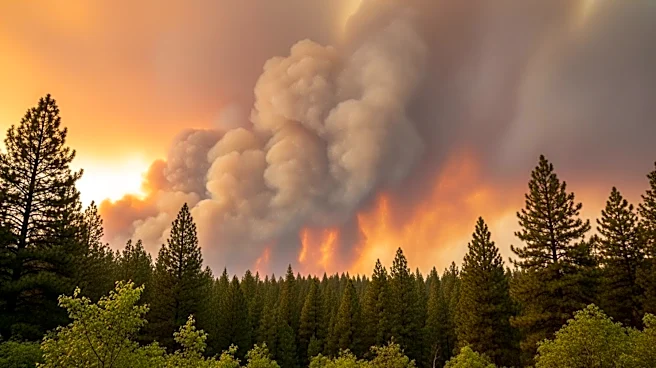
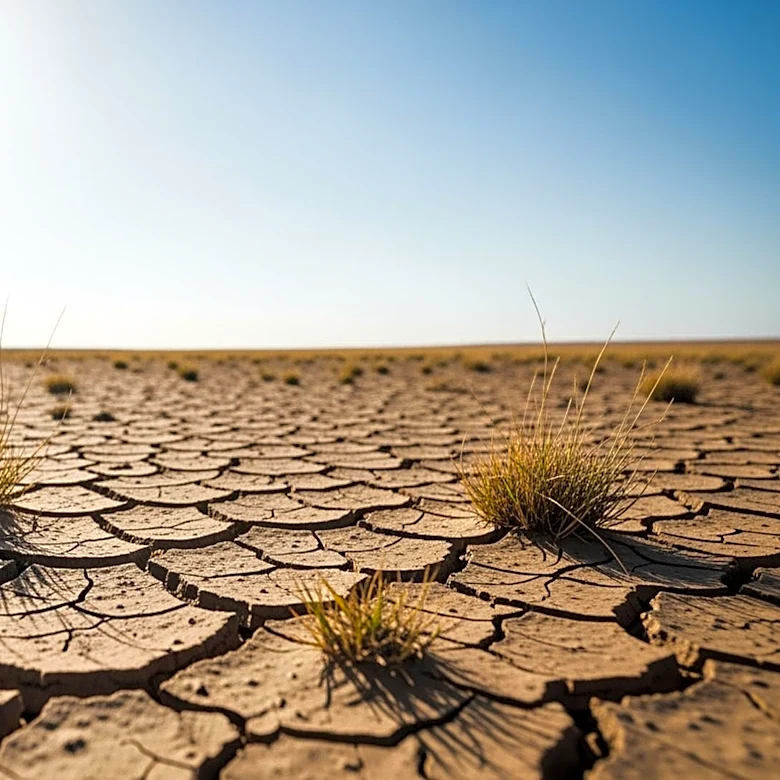
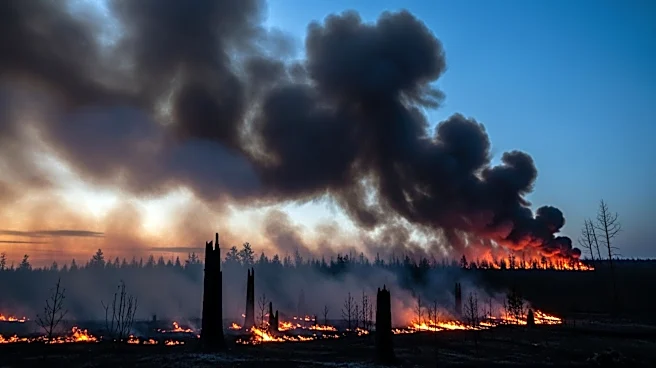
NASA's Earthdata has reported significant wildland fires in Georgia, captured by the NOAA-21 satellite on April 21, 2026. The fires, identified as the Pineland Road Fire and the Highway 82 fire, have been exacerbated by low humidity, extreme drought,
and strong winds. These conditions have led to the fires threatening railroad infrastructure and other structures, prompting evacuations and road closures. The Tropospheric Emissions: Monitoring of Pollution (TEMPO) instrument has detected high concentrations of nitrogen dioxide, a toxic gas produced by fossil fuel combustion and wildland fires. This gas contributes to the formation of ground-level ozone and particulate matter pollution, posing risks to human and ecosystem health.
Why It's Important?
The wildland fires in Georgia underscore the growing environmental challenges posed by climate change and human activities. The presence of nitrogen dioxide and other pollutants highlights the impact of such fires on air quality and public health. As these fires threaten infrastructure and necessitate evacuations, they also illustrate the broader implications for community safety and economic stability. The data collected by NASA's TEMPO instrument provides crucial insights into atmospheric conditions, aiding in the development of strategies to mitigate pollution and manage natural disasters more effectively.
What's Next?
Efforts to control the wildland fires in Georgia will likely continue, with authorities focusing on containment and minimizing damage to infrastructure. The data from NASA's Earth Science Data and Information System will be instrumental in monitoring the fires' progression and assessing environmental impacts. As the migration of NASA Earth science data sites into Earthdata progresses, more comprehensive datasets will become available, enhancing the ability to track and respond to such events. Stakeholders, including government agencies and environmental groups, may push for increased investment in fire prevention and climate resilience measures.
Beyond the Headlines
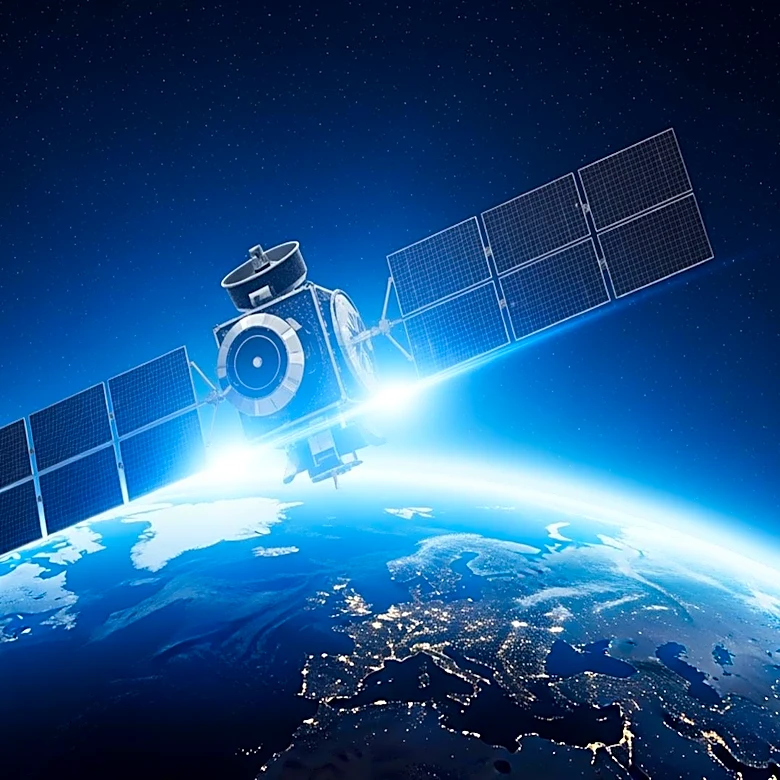
The wildland fires in Georgia may prompt discussions on the need for improved land management practices and increased funding for firefighting resources. The role of climate change in exacerbating fire conditions could lead to policy debates on environmental regulations and carbon emissions. Additionally, the fires highlight the importance of satellite technology in disaster response, potentially driving advancements in remote sensing and data analysis capabilities.