



What's Happening?
The famous 'Ghost Boy' infrared photograph, taken during Ed and Lorraine Warren's 1976 investigation of the Amityville house, has been largely debunked by skeptics and photographic experts. This image, which paranormal believers claim depicts the spirit
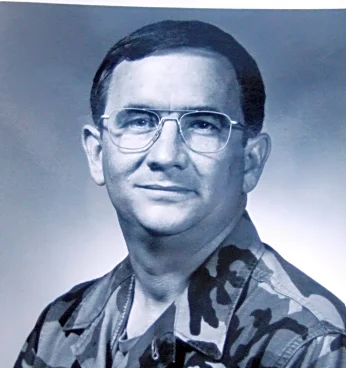
of nine-year-old John Matthew DeFeo, is now widely considered to be a picture of Paul Bartz, an investigator working with the Warrens. Bartz was present in the house on the night the photo was taken. Photographic analysts point to the physical features, clothing, and glasses of the figure in the infrared image, which closely match known photographs of Bartz from the same evening. This re-evaluation distinguishes the paranormal claims from the documented forensic realities of the 1974 DeFeo family murders.
Why It's Important?
The debunking of the 'Ghost Boy' photo is significant because it challenges one of the most iconic pieces of 'evidence' supporting the supernatural claims surrounding the Amityville Horror. This case has captivated the American public for decades, influencing numerous books, films, and documentaries. By clarifying the origin of this particular image, it helps to separate the sensationalized paranormal narrative from the tragic true crime event. This distinction is crucial for understanding how media and folklore can reshape public perception of historical events. It also highlights the importance of critical analysis in paranormal investigations, where visual evidence can often be misinterpreted or misattributed, impacting the credibility of such claims.
What's Next?
Despite the debunking of the 'Ghost Boy' photo, the Amityville Horror narrative, with its blend of true crime and supernatural elements, is likely to continue to fascinate the public. The Warrens' investigation and the subsequent claims of the Lutz family have become deeply embedded in American pop culture. Future discussions and analyses of the Amityville case will likely continue to grapple with the tension between forensic facts and paranormal lore. The house itself, now altered and with its address changed, remains a private residence, with local authorities actively discouraging 'disaster tourism.' The focus will likely shift further towards the human tragedy of the DeFeo murders, while the supernatural aspects continue to be debated within the context of entertainment and folklore.
Beyond the Headlines
The Amityville Horror case, particularly the 'Ghost Boy' photo controversy, serves as a powerful illustration of how easily visual information can be manipulated or misinterpreted, especially in emotionally charged contexts. It underscores the broader societal tendency to seek supernatural explanations for inexplicable or horrific events. The enduring appeal of the Amityville story, even with debunked elements, speaks to a deep-seated human fascination with the unknown and the macabre. This case also highlights the ethical considerations in paranormal investigations and media portrayals, where the line between genuine inquiry and sensationalism can become blurred. The critical analysis of such 'evidence' encourages a more discerning approach to claims of the supernatural, promoting skepticism and a reliance on verifiable facts over anecdotal or visually ambiguous accounts.