







What's Happening?
In 1998, Rick Davis and his sons discovered human bones, a gun, shoes, and a shirt with a bullet hole along the Arkansas River. Authorities were contacted at the time, but a thorough search was not possible due to high water levels. Years later, Davis found
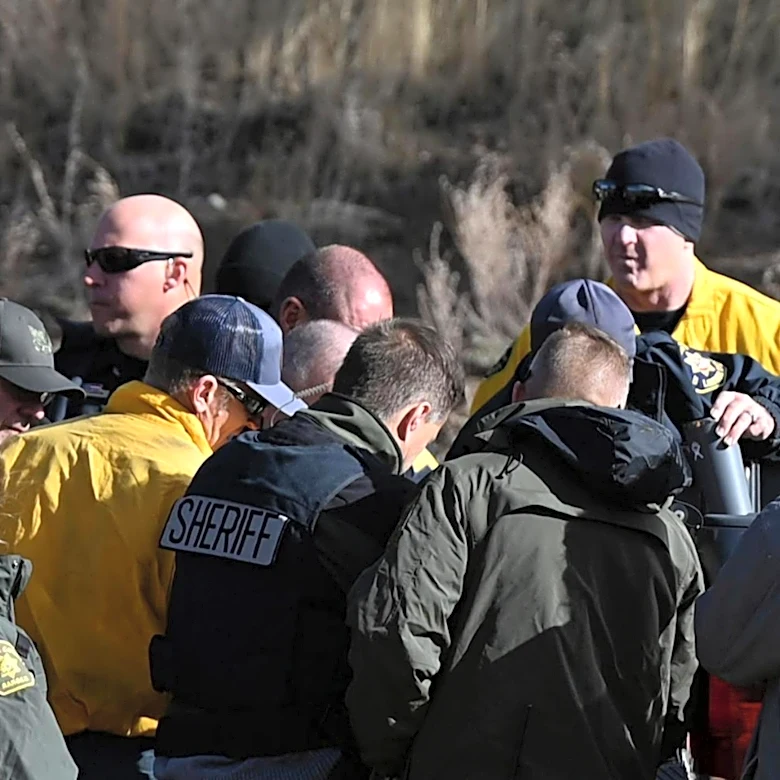
information online about Lisa Addington, who disappeared in May 1984 after attending a bachelorette party in Tulsa. He noticed similarities between the items found and clothing Addington was reportedly wearing. This prompted Davis to contact Addington's aunt, Shirley Ritchey, to share his findings. Ritchey and Davis have since brought this information to the attention of Tulsa County detectives, leading to a renewed focus on the cold case. Recently, they revisited the discovery site with detectives, but water levels again prevented a search.
Why It's Important?
This development is significant as it offers a potential new lead in a decades-old missing person case, providing a glimmer of hope for Lisa Addington's family who have sought answers for over 40 years. The discovery of potential evidence, including human remains and items matching Addington's description, could be crucial in determining her fate. For law enforcement, this renewed attention highlights the enduring nature of cold cases and the importance of public involvement in providing information. The case is listed in the National Missing and Unidentified Persons System (NamUs), underscoring its national relevance in efforts to resolve missing persons and unidentified remains cases. The family's persistent efforts, aided by Davis's recollection, demonstrate the long-term impact of such disappearances on families and communities.
What's Next?
Tulsa County detectives are expected to continue their investigation into Lisa Addington's disappearance, with a focus on the site where Rick Davis made his discovery. A search of the area will likely be conducted once river conditions permit. Authorities have not yet confirmed a direct link between the 1998 findings and Addington's case, but the investigation will aim to establish such a connection. The family hopes that the renewed attention will encourage anyone with information, even anonymous tips, to come forward and assist law enforcement. Addington's age progression photograph, created in 2010, remains a tool for public awareness, as she would be 64 years old in 2026. The case's presence in NamUs ensures it remains part of a national database for missing persons.
Beyond the Headlines
The story of Lisa Addington's disappearance and the subsequent discovery by Rick Davis underscores the profound and lasting impact of unresolved missing person cases on families. For over four decades, Addington's family has lived with uncertainty, a common plight for relatives of long-term missing individuals. The involvement of a private citizen like Davis, who connected his past discovery to a cold case years later, highlights the potential for public engagement and digital resources to aid in investigations. This case also touches upon the challenges faced by law enforcement in cold cases, particularly when initial evidence collection is hampered by environmental factors. The emotional toll on families, as described by Addington's aunt, Shirley Ritchey, emphasizes the humanitarian aspect of these investigations, where closure, regardless of the outcome, is a primary goal.