




What's Happening?
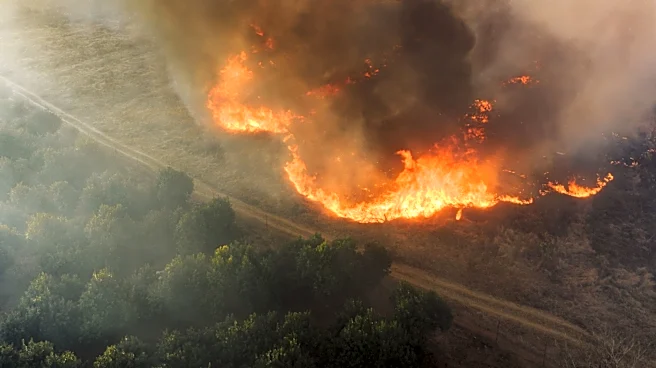
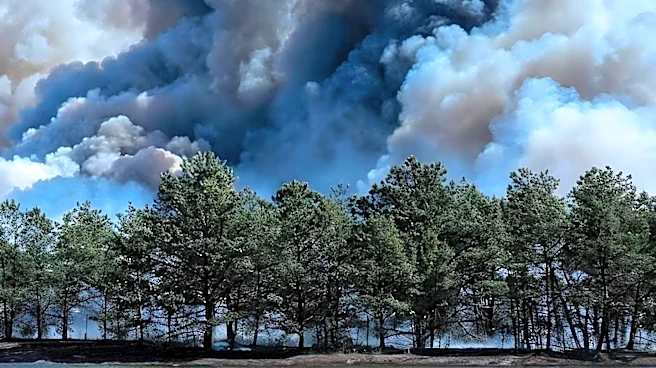
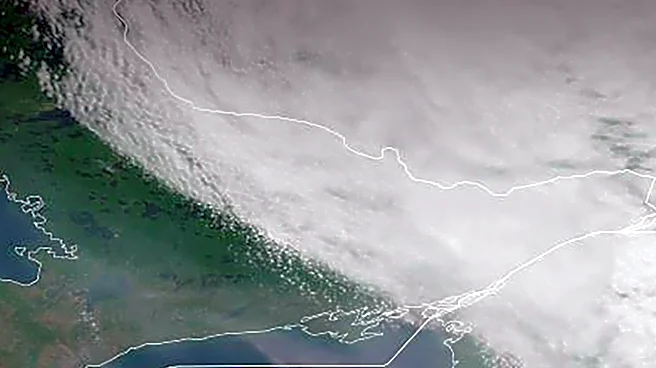
Wildfire smoke originating from the Pacific Northwest is spreading across the United States, affecting air quality from the Midwest to the Mid-Atlantic and parts of the Southeast. The smoke is being carried eastward by the jet stream, resulting in hazy
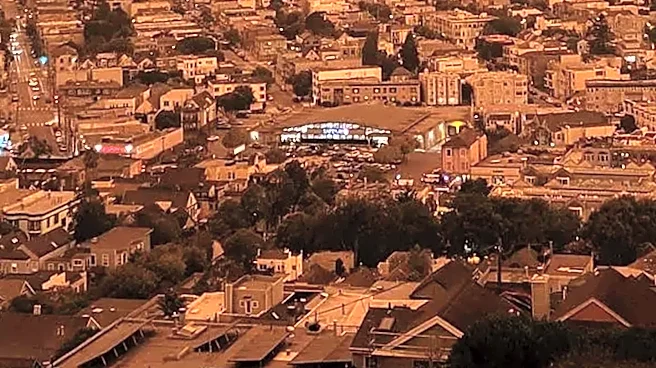
skies and air quality concerns. The National Interagency Fire Center reports that over 30 large active fires are burning in Oregon and Washington, consuming nearly one million acres. The smoke is expected to degrade air quality in states such as Oregon, Washington, Idaho, Montana, and potentially North Dakota. While the smoke is primarily lingering high in the atmosphere, it is causing a milky sky appearance and more vivid sunrises and sunsets.
Why It's Important?
The spread of wildfire smoke across the U.S. highlights the far-reaching impact of wildfires, not only affecting areas close to the fires but also regions thousands of miles away. This situation underscores the challenges of managing air quality and public health in the face of increasing wildfire activity, which is often exacerbated by climate change. The smoke can lead to respiratory issues and other health problems, particularly for vulnerable populations. Additionally, the phenomenon of smoke traveling long distances raises awareness about the interconnectedness of environmental issues and the need for comprehensive strategies to address them.
What's Next?
As the smoke continues to spread, monitoring air quality levels will be crucial for public health advisories. Authorities may issue warnings or recommendations for people, especially those with respiratory conditions, to limit outdoor activities. The ongoing wildfires in the Northwest will require continued firefighting efforts, and the potential for future heatwaves could exacerbate the situation. Long-term, there may be increased calls for policies aimed at reducing wildfire risks and addressing climate change to prevent similar occurrences in the future.