






What's Happening?
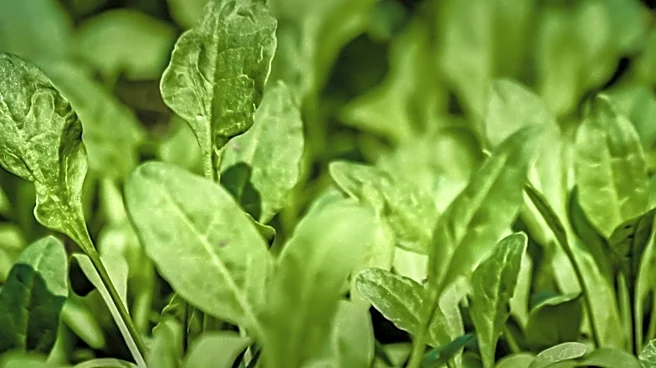
Recent studies indicate a decline in the nutrient content of crops, with significant reductions in vitamins and minerals such as vitamin C, calcium, and vitamin A. This decline is attributed to factors like faster-growing crop varieties and increased
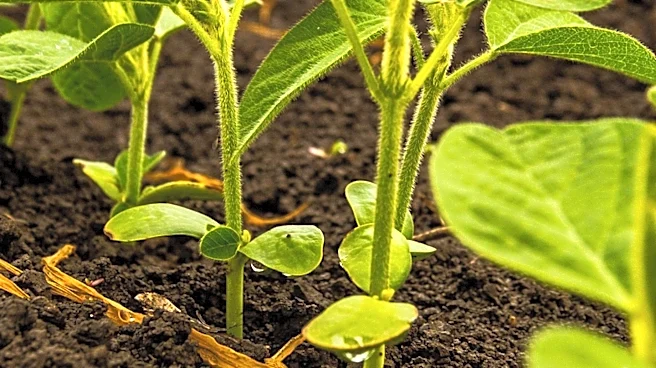
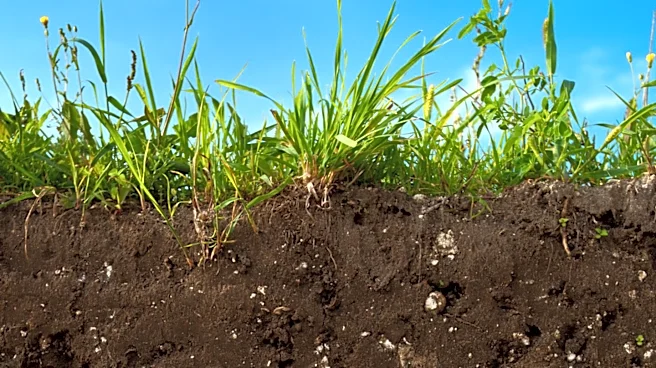
carbon dioxide levels. Regenerative agriculture, which focuses on building soil health and ecosystems, is proposed as a solution to this issue. Research by Francesca Brkic and the University of Lincoln shows that regenerative practices can significantly increase nutrient density in crops. For example, iron in kale and selenium in peas were found to be much higher in regenerative farms compared to conventional ones. The approach emphasizes using cover crops, grazing animals, and avoiding ploughing and pesticides.
Why It's Important?
The decline in nutrient content of food crops poses a significant challenge to public health and nutrition. Regenerative agriculture offers a promising solution by enhancing soil health and increasing nutrient density in crops. This approach not only benefits human health but also supports biodiversity and environmental sustainability. As consumers become more health-conscious, the demand for nutrient-rich foods is likely to increase, driving interest in regenerative practices. However, challenges such as scalability, cost-effectiveness, and potential greenwashing need to be addressed. The adoption of regenerative agriculture could lead to a paradigm shift in farming practices, with long-term benefits for food security and environmental health.
Beyond the Headlines
Regenerative agriculture's potential to improve nutrient density in food crops highlights the need for a shift in agricultural practices. However, its implementation faces challenges, including the need for more human labor and the risk of greenwashing. Critics argue that regenerative practices may not be scalable enough to feed the growing global population. Additionally, there is a risk of 'dietary displacement,' where consumers perceive regenerative foods as more nutritious than they are, leading to inadequate nutrient intake. Despite these challenges, the philosophy of building soil health as a central tenet of agriculture offers a promising path forward for sustainable food systems.