







What's Happening?
Clinicians are highlighting a range of effective stress reduction techniques for managing anxiety, emphasizing both immediate relief and long-term resilience. For rapid anxiety reduction, methods include paced exhale breathing (inhaling for 5, holding
for 5, exhaling for 7) and the 5-4-3-2-1 grounding technique, which involves identifying five things one can see, four things one can touch, three things one can hear, two things one can smell, and one thing one can taste. These techniques are designed to interrupt the body's stress response quickly. For sustained anxiety reduction, daily habits such as regular physical activity, consistent sleep schedules, and limiting caffeine and alcohol are recommended. Cognitive strategies like thought records, where individuals write down anxious thoughts and evaluate evidence for and against them, and graded exposure, which involves gradually confronting feared situations, are also crucial for building lasting coping skills. The importance of professional help is underscored if anxiety persists for more than two weeks or significantly impacts daily life.
Why It's Important?
The widespread prevalence of anxiety in the U.S. population makes the dissemination of effective stress reduction techniques critically important. By providing clear, actionable strategies, clinicians aim to empower individuals to manage their anxiety more effectively, potentially reducing the burden on healthcare systems and improving overall public health. The emphasis on both immediate and long-term strategies addresses different facets of anxiety, from acute panic attacks to chronic stress. Promoting daily habits like exercise and sleep can lead to broader public health benefits, as these habits are linked to improved physical and mental well-being beyond just anxiety reduction. Furthermore, the integration of cognitive behavioral therapy (CBT) techniques like thought records and graded exposure offers a structured approach to mental health, fostering resilience and self-efficacy. This comprehensive approach can help individuals avoid maladaptive coping mechanisms, such as excessive alcohol consumption or avoidance behaviors, which can exacerbate anxiety over time.
What's Next?
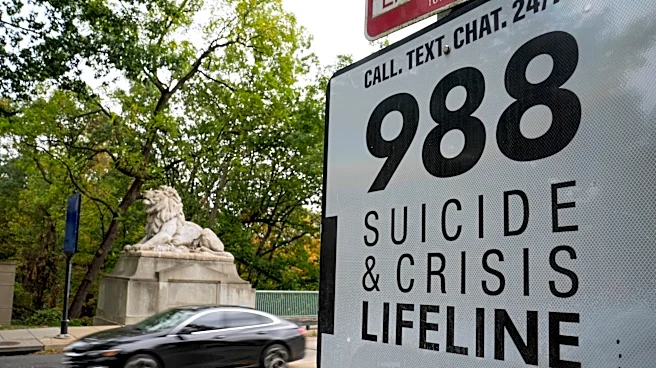
Individuals experiencing persistent anxiety are encouraged to seek professional help if self-help strategies prove insufficient. This includes situations where symptoms last more than two weeks, interfere with daily functioning, or involve repeated panic attacks or thoughts of self-harm. Common treatment options include psychotherapy (such as CBT, ACT, or exposure therapy), medication, or a combination of both, along with peer support groups. When preparing for an initial appointment, individuals should inquire about the clinician's approach, session frequency, and whether telehealth or in-person sessions are available. For those in crisis, the 988 Suicide and Crisis Lifeline is available via call or text. Continued practice of recommended techniques and adherence to professional guidance are essential, as treatment often takes several weeks to show its full effect. Tracking anxiety triggers and responses through journaling can also provide valuable insights for tailoring effective coping strategies and informing therapeutic interventions.
Beyond the Headlines
Beyond the immediate relief and management of anxiety, the promotion of these stress reduction techniques highlights a broader societal shift towards proactive mental health care and self-management. The emphasis on daily habits and cognitive strategies encourages individuals to take an active role in their mental well-being, fostering a culture of self-awareness and resilience. This approach can help destigmatize mental health challenges by framing anxiety as a condition that can be managed with practical tools and consistent effort, similar to physical health conditions. The integration of mindfulness and grounding techniques also points to a growing recognition of the mind-body connection in mental health. Over time, widespread adoption of these strategies could lead to a more mentally resilient population, potentially reducing the long-term societal costs associated with untreated anxiety and related mental health issues, and fostering a greater sense of well-being across communities.