





What's Happening?
China has been playing a significant behind-the-scenes role in the ongoing conflict involving Iran, despite not being an official mediator. The country has been leveraging its economic ties and diplomatic strategies to influence negotiations and de-escalate
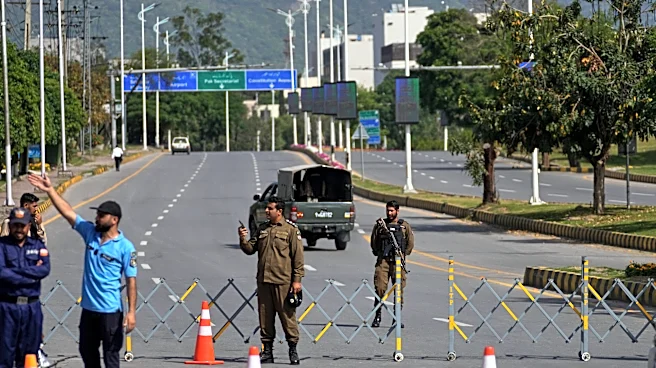
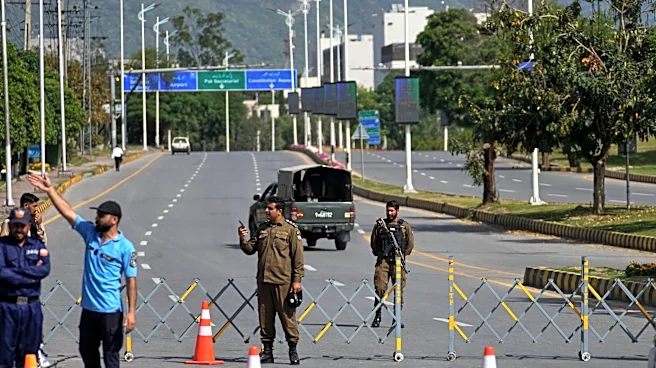
tensions. China, as the largest buyer of Iranian oil, has used its economic leverage to encourage Iran to engage in talks, which have been facilitated by Pakistan. This involvement comes at a time when U.S. actions under President Trump have strained traditional alliances, providing China with an opportunity to project itself as a responsible global power. Chinese Foreign Minister Wang Yi has been actively engaging with various parties involved in the conflict, including Israel, Saudi Arabia, and the United Arab Emirates, to promote peace and stability in the region.
Why It's Important?
China's involvement in the Iran conflict underscores its growing influence in international diplomacy, particularly in regions where it has significant economic interests. By positioning itself as a mediator, China is not only enhancing its global image but also securing its economic interests, especially in the energy sector. This development is significant for the U.S., as it highlights a shift in global power dynamics, with China emerging as a key player in international conflict resolution. The situation also reflects the broader geopolitical landscape, where countries are increasingly looking to China for leadership in the absence of strong U.S. diplomatic engagement. This could lead to a realignment of alliances and influence global economic and political strategies.
What's Next?
As the conflict continues, China's role is likely to expand, with potential implications for its relationships with both Iran and the U.S. The success of China's mediation efforts could lead to increased economic and political ties with Iran, further solidifying its influence in the Middle East. Additionally, China's actions may prompt the U.S. to reassess its diplomatic strategies and alliances in the region. The outcome of these negotiations could also impact global energy markets, given Iran's significant role in oil production. Observers will be watching to see if China's involvement leads to a sustainable resolution and how it affects the broader geopolitical balance.
Beyond the Headlines
China's diplomatic efforts in the Iran conflict highlight a strategic shift towards a more active role in global governance. This approach aligns with China's broader foreign policy goals of promoting a multipolar world order and reducing U.S. influence. The situation also raises questions about the ethical implications of China's involvement, given its own human rights record and strategic interests. Furthermore, China's ability to mediate effectively could set a precedent for its involvement in other international conflicts, potentially reshaping global diplomatic norms and practices.