






What's Happening?
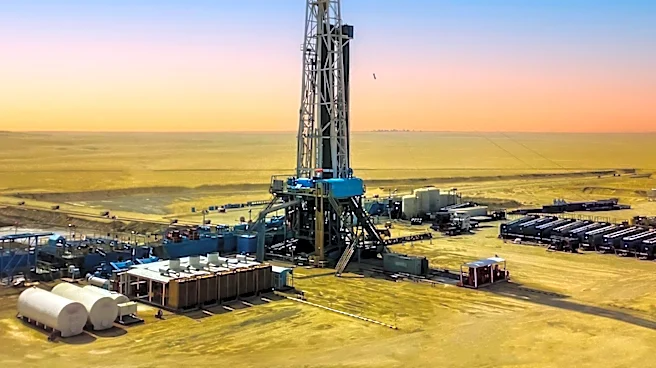
A mystery surrounding a cluster of rare childhood cancers in Ladera Ranch, Orange County, California, has deepened with the discovery of 20-year-old handwritten warning notes on documents related to an abandoned oil well. The notes, found on Department
of Conservation permits for sealing a historical oil well beneath what is now Ladera Ranch, explicitly state, "This well is not to be built over without further considerations." These memos, appearing twice in pencil markings on the 2002 documents, were signed off by state oil and gas supervisors. The emergence of these notes has renewed fears among residents about potential environmental causes for at least six cases of Ewing sarcoma diagnosed in the community between 2013 and 2024. While health officials are investigating various possibilities, including pesticides and a landfill, the abandoned oil well now adds a significant new dimension to the inquiry. The Environmental Protection Agency (EPA) has confirmed outreach from U.S. Attorney Easali, Congressman Mike Levin, and the Orange County District Attorney regarding these concerns.
Why It's Important?
This development is critically important as it raises serious questions about public health, environmental safety, and regulatory oversight in residential development. The discovery of explicit warnings against building over the oil well, coupled with a cluster of rare childhood cancers, suggests a potential link between historical industrial activity and current health crises. This situation could have significant implications for property values, insurance liabilities, and the trust between residents and regulatory bodies. It also highlights the long-term consequences of inadequate environmental assessments and the potential for historical oversights to manifest as severe public health issues decades later. The involvement of federal and local authorities, including the EPA and Congressman Levin, underscores the gravity of the situation and the need for a thorough, transparent investigation to determine causality and accountability. The case could set precedents for how abandoned industrial sites are managed and how health concerns in developed areas are addressed.
What's Next?
A comprehensive and transparent investigation into the abandoned oil well and its potential connection to the cancer cluster is expected to be the immediate next step. This will likely involve detailed environmental testing of soil, air, and groundwater in Ladera Ranch to identify any hazardous substances that may be migrating from the well. Regulatory agencies, including the Department of Conservation and the EPA, will face pressure to explain the original warning notes and whether "further considerations" were adequately addressed before construction. Residents and advocacy groups will likely demand clear answers, potential remediation efforts, and ongoing health monitoring. Legal actions, including lawsuits against developers or responsible parties, could also emerge if a direct link between the well and the cancer cases is established. This situation may also prompt a review of existing regulations for developing land over former industrial sites across California and potentially the nation, leading to stricter guidelines and enforcement.
Beyond the Headlines
The Ladera Ranch cancer mystery, exacerbated by the discovery of the warning notes, delves into deeper societal issues concerning environmental justice and corporate responsibility. It highlights the vulnerability of communities, particularly children, to historical environmental contamination and the challenges of proving causality in complex health crises. The case could ignite broader discussions about the "right to know" for residents living near former industrial sites and the ethical obligations of developers and government agencies to disclose potential risks. Furthermore, it underscores the long-term health and economic burdens placed on communities when environmental safeguards are insufficient or overlooked. This incident may serve as a catalyst for increased public demand for proactive environmental monitoring, more stringent land-use planning, and greater accountability for environmental hazards, potentially influencing policy changes that prioritize public health over development expediency in similar situations nationwide.