
What's Happening?
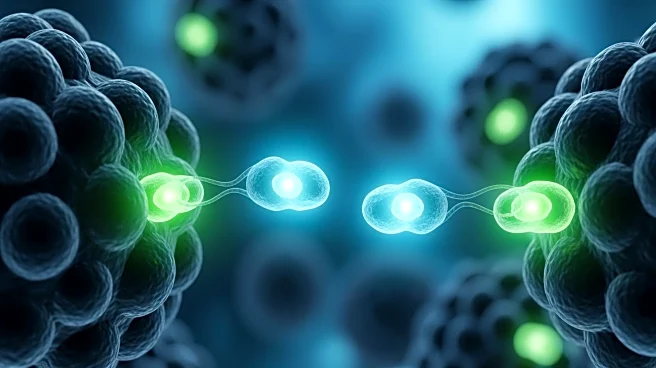
A study published in Cell Metabolism reveals that cancer cells can evade immune defenses by stealing mitochondria from immune cells. This mitochondrial transfer allows cancer cells to spread and survive
in lymph nodes, which are typically hostile environments for tumors. The research, led by Derick Okwan-Duodu at Stanford University, found that cancer cells acquire mitochondria from immune cells at equal rates, regardless of their location. This theft weakens immune cells and activates a molecular pathway in cancer cells that aids in immune evasion and lymph-node invasion.
Why It's Important?
The discovery of mitochondrial theft by cancer cells provides new insights into how tumors can spread and resist immune attacks. This mechanism could explain the persistence of cancer in lymph nodes and potentially lead to new therapeutic strategies targeting mitochondrial transfer. Understanding this process may help develop treatments that prevent cancer cells from acquiring mitochondria, thereby enhancing the effectiveness of immune-based therapies and improving patient outcomes.