




What's Happening?
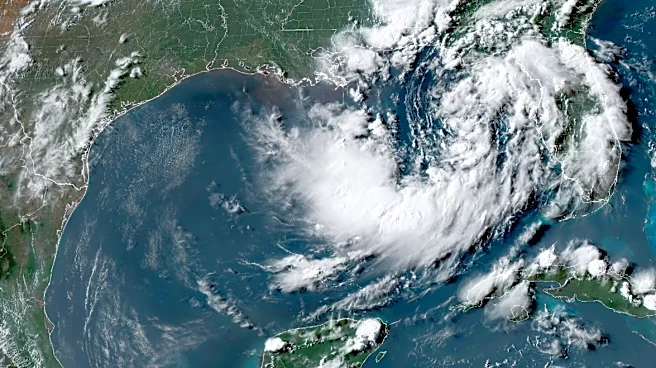
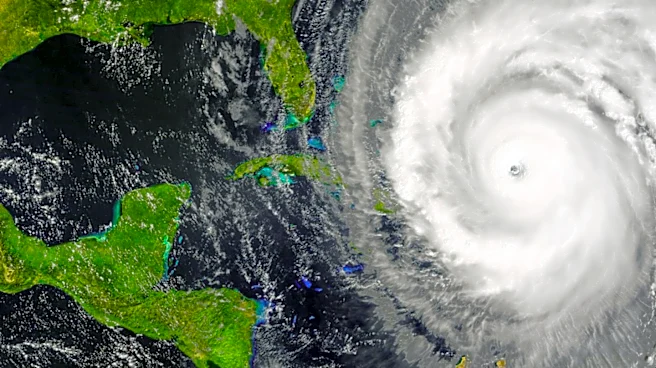
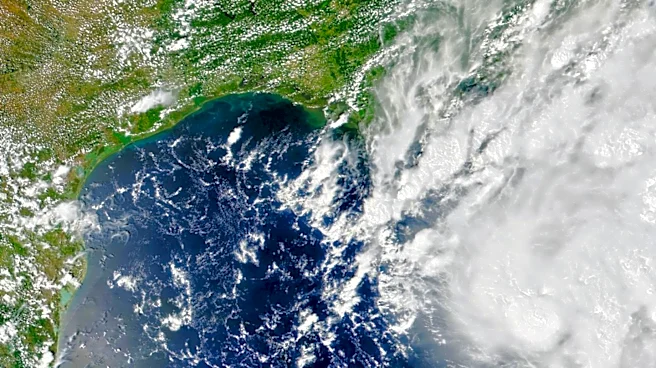
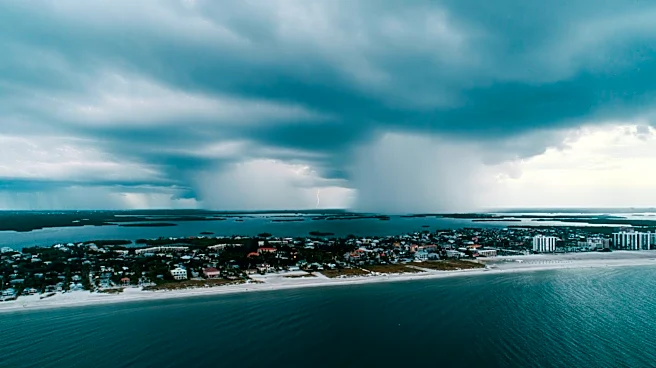
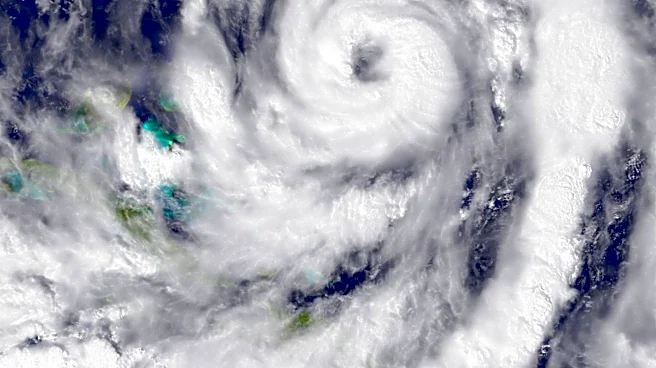
A tropical depression that formed in the Gulf of Mexico on July 19 is expected to intensify into Tropical Storm Bertha, according to the National Hurricane Center (NHC). The system, located approximately 110 miles south of Panama City, Florida, is currently
producing maximum sustained winds of 35 mph with higher gusts. A tropical storm watch has been issued for the Gulf Coast, stretching from the Ochlockonee River to the Mississippi/Alabama border. This watch indicates that tropical storm conditions are possible within the next 24 to 48 hours. The NHC forecasts that the system will move slowly northwestward before turning west-northwest or west, potentially impacting the northern Gulf Coast in the coming days. The storm is expected to bring significant rainfall, with totals ranging from 2 to 4 inches and localized amounts up to 6 inches, which could lead to flash flooding, particularly in urban areas. Additionally, swells generated by the system are anticipated to affect the Gulf coast of Florida, posing life-threatening surf and rip current conditions.
Why It's Important?
The potential formation of Tropical Storm Bertha poses a significant threat to the Gulf Coast, an area already vulnerable to severe weather events. The anticipated heavy rainfall and flash flooding could disrupt daily life, damage infrastructure, and impact local economies, particularly in urban areas. The petrochemical plants and refineries in Louisiana and Texas, crucial to the U.S. energy sector, may face operational challenges if the storm intensifies and follows its projected path. The issuance of a tropical storm watch underscores the need for preparedness among residents and businesses in the affected regions. The storm's development also highlights the ongoing challenges posed by the Atlantic hurricane season, which can have far-reaching effects on public safety, economic stability, and environmental conditions.
What's Next?
As the tropical depression potentially strengthens into Tropical Storm Bertha, residents and businesses along the Gulf Coast are advised to monitor updates from the National Hurricane Center and local authorities. Preparations for potential flooding and storm conditions should be underway, including securing property and ensuring access to emergency supplies. The NHC will continue to provide updates on the storm's trajectory and intensity, which will be crucial for planning and response efforts. Emergency management agencies may issue further advisories or evacuation orders if the storm's threat level increases. The situation remains dynamic, and stakeholders must remain vigilant as the storm progresses.