






What's Happening?
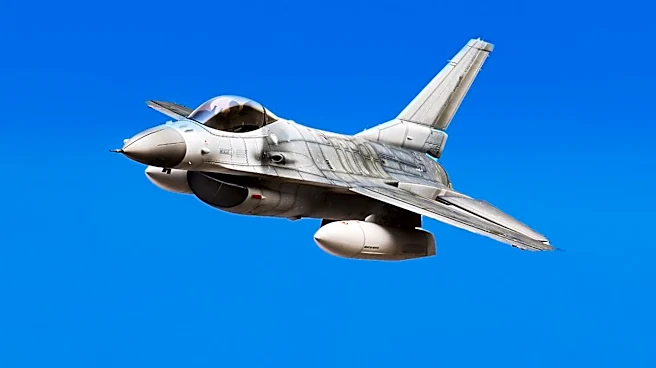
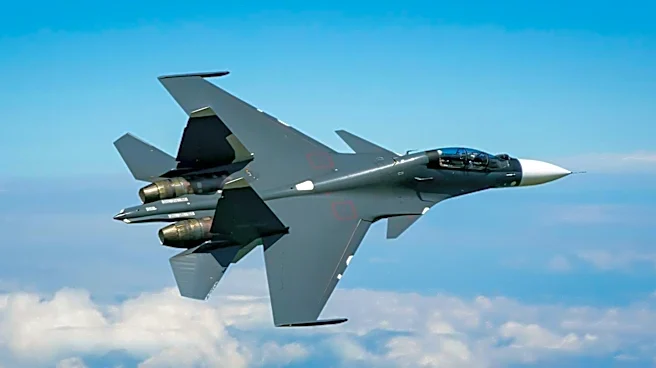
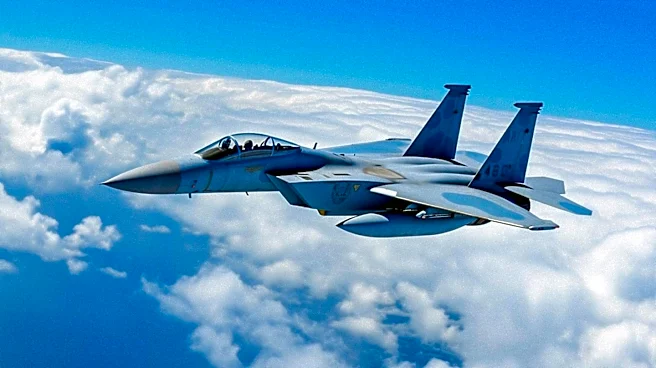
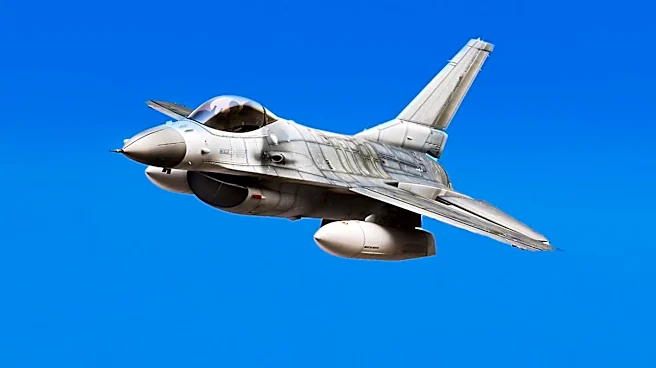
On July 30, NATO fighters intercepted a Russian Il-20 reconnaissance aircraft flying from mainland Russia to the Kaliningrad region over the Baltic Sea. The aircraft was operating in international airspace with its radar transponder turned off and without
a flight plan, although it maintained radio communication with the Regional Flight Control Center. This interception is part of NATO's air policing mission in the Baltic states, conducted from bases in Lithuania and Estonia, aimed at ensuring the security of the region amid ongoing tensions with Russia.
Why It's Important?
The interception highlights the ongoing security challenges in the Baltic region, where NATO and Russian forces frequently encounter each other. Such incidents are significant as they test the readiness and response capabilities of NATO's air policing missions, which are crucial for maintaining the security of member states in the region. The presence of Russian military aircraft without proper identification raises concerns about potential threats and underscores the importance of NATO's role in deterring aggression and ensuring stability in Eastern Europe.
What's Next?
NATO is expected to maintain its air policing operations and continue monitoring Russian military activities in the region. Diplomatic efforts may be pursued to address the underlying tensions and prevent further incidents. The situation will likely remain a focal point for NATO's strategic planning and defense posture in Eastern Europe, as the alliance seeks to reassure its member states and deter any potential threats from Russia.