





What's Happening?
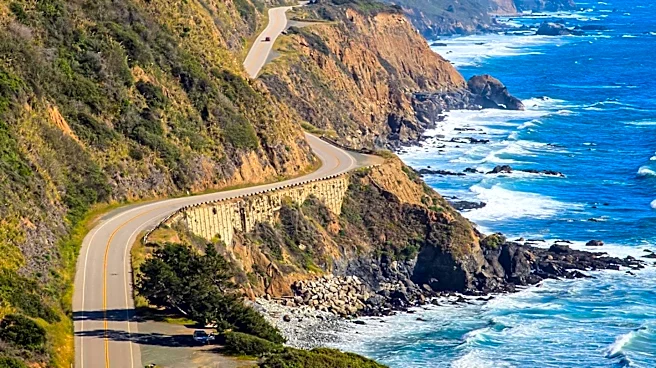
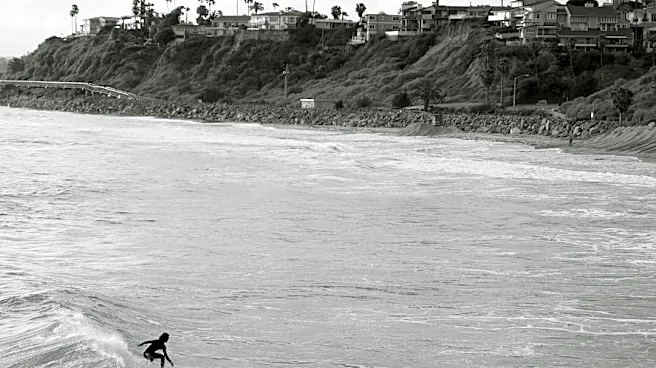
Salt Point State Park in Sonoma, California, provides a rich array of natural experiences across six miles of rugged coastline and diverse inland landscapes. The park features kelp-dotted coves, steep bluffs, sandstone cliffs, forested hills, pristine
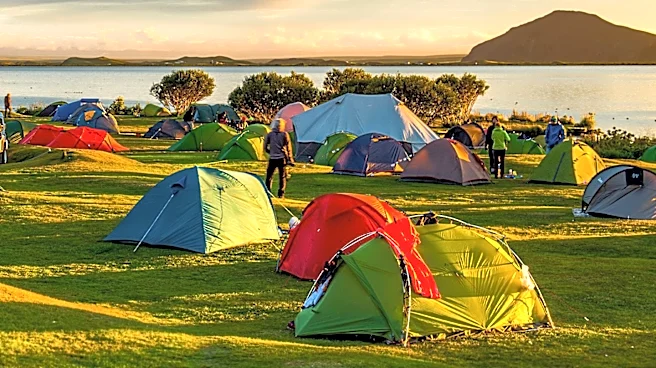
prairies, a pygmy forest, and an underwater park. Visitors can engage in various activities including picnicking, hiking across 20+ miles of trails, horseback riding, skin and scuba diving, fishing, and camping. The park's weather can be unpredictable, with cool temperatures and fog common even in summer, necessitating layered clothing. Special event permits are required for activities beyond normal recreation, such as large gatherings or events that charge fees, interfere with public use, or require additional staffing. The park also has specific regulations regarding drones, which are not permitted on State Park property.
Why It's Important?
Salt Point State Park's diverse offerings are crucial for regional tourism and environmental conservation in California. Its extensive trail system and varied ecosystems provide significant recreational opportunities, promoting physical activity and mental well-being for both residents and visitors. The presence of an underwater park highlights its importance for marine conservation and offers unique opportunities for diving and ecological study. Economically, the park supports local businesses through tourism, including accommodations, dining, and outdoor gear sales. The regulations regarding special events and drone usage are vital for managing visitor impact, preserving the natural environment, and ensuring public safety. By maintaining such a rich and accessible natural resource, California State Parks contribute to the state's appeal as a destination for nature enthusiasts and support broader efforts in ecological preservation and public education about coastal and forest ecosystems.
What's Next?
California State Parks will likely continue to focus on the preservation and sustainable management of Salt Point State Park. This may involve ongoing trail maintenance, habitat restoration projects, and educational programs to inform visitors about the park's unique ecosystems and conservation needs. Given the changeable coastal weather, there might be continued emphasis on visitor preparedness and safety guidelines. The park could also explore new ways to engage the public in its conservation efforts, such as volunteer programs or citizen science initiatives. As demand for outdoor recreation grows, there may be a need to balance visitor access with ecological protection, potentially leading to updated regulations or capacity management strategies for popular areas. The park's role as a site for scientific research, particularly concerning its underwater park and pygmy forest, is also likely to expand, contributing to a deeper understanding of these unique natural phenomena.
Beyond the Headlines
Salt Point State Park embodies the broader challenge and opportunity of managing natural resources in a densely populated state like California. Its diverse landscapes, from rugged coastline to pygmy forests, represent a microcosm of the state's rich biodiversity and the critical need for its protection. The park's policies, such as the ban on drones and requirements for special event permits, reflect a growing awareness of the impact of human activity on natural environments and the importance of responsible recreation. The emphasis on layered clothing due to unpredictable weather also subtly highlights the dynamic and sometimes harsh realities of coastal ecosystems. Ethically, the park serves as a reminder of the intrinsic value of wild spaces and the public's right to access and enjoy them, while also underscoring the responsibility to preserve them for future generations. It's a testament to the ongoing effort to balance human interaction with the imperative of ecological stewardship.