







What's Happening?
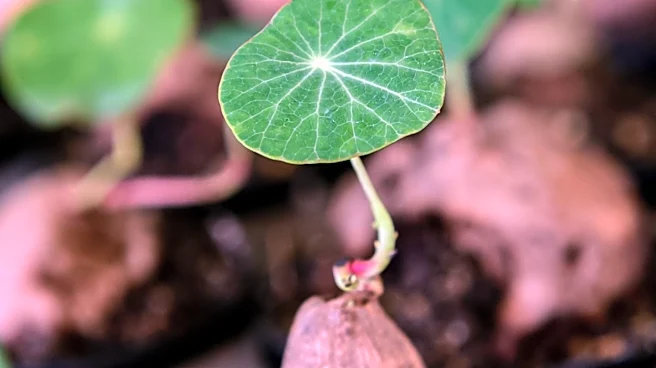
In 2003, Helio da Silva, a retired food industry executive, embarked on a personal mission to transform an abandoned stretch of land in Sao Paulo, Brazil, into a thriving urban forest. With no official support or organized funding, da Silva began planting
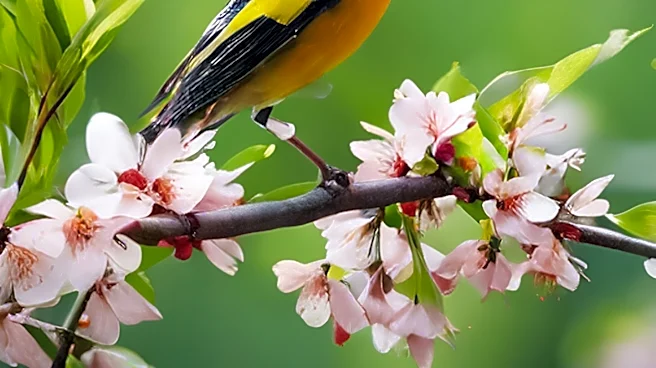
trees using his own savings, spending approximately $7,000 annually. Over two decades, his efforts have resulted in the creation of Tiquatira Park, a 3.2-kilometer green corridor that now hosts thousands of trees and numerous bird species. The park, officially recognized by the city five years after da Silva's initiative began, serves as a vital green space in one of the world's largest cities, providing a habitat for wildlife and a recreational area for residents.
Why It's Important?
The transformation of the neglected land into Tiquatira Park highlights the significant impact of grassroots environmental efforts in urban settings. In a city like Sao Paulo, which faces environmental challenges such as pollution and dense construction, the park offers a cooler, greener space that improves air quality and provides a habitat for urban wildlife. This initiative underscores the importance of urban green spaces in mitigating the effects of climate change and enhancing the quality of life for city dwellers. Da Silva's project demonstrates how individual actions can lead to substantial environmental and social benefits, inspiring similar efforts in other urban areas.
What's Next?
Helio da Silva continues to be involved in the maintenance and expansion of Tiquatira Park, with a personal goal of planting 50,000 trees. While he receives occasional help from volunteers, much of the responsibility remains his own. The park's success may encourage local authorities and communities to support and replicate similar projects, potentially leading to more green spaces in urban areas. As cities worldwide grapple with environmental challenges, the model of individual-led urban restoration could gain traction, prompting policy changes and increased investment in urban forestry initiatives.
Beyond the Headlines
Da Silva's story also touches on the cultural and ethical dimensions of environmental stewardship. His dedication to the project, despite initial skepticism and lack of support, highlights the power of individual commitment to effect change. The park not only serves as a physical transformation of the landscape but also as a symbol of hope and resilience in the face of urban neglect. It raises questions about the role of citizens in environmental conservation and the potential for grassroots movements to influence public policy and urban planning.