




What's Happening?
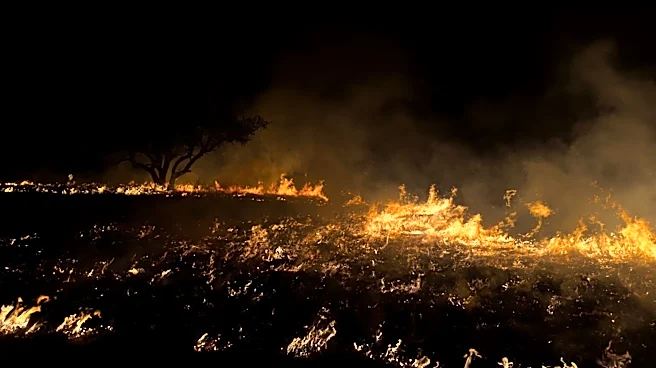
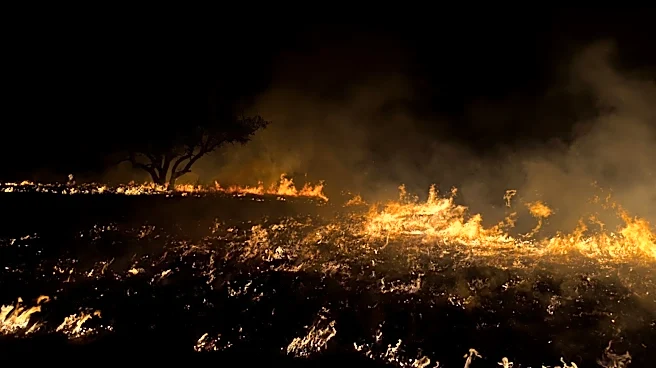
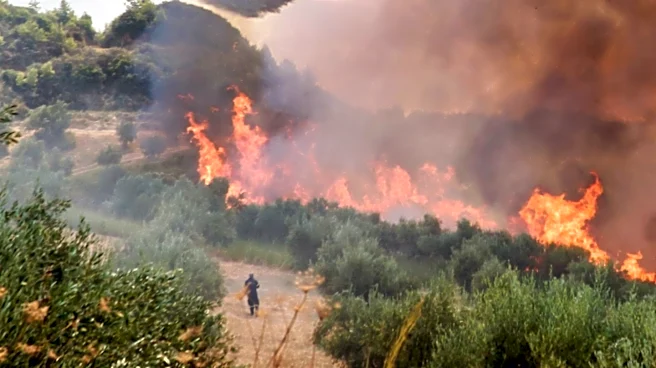
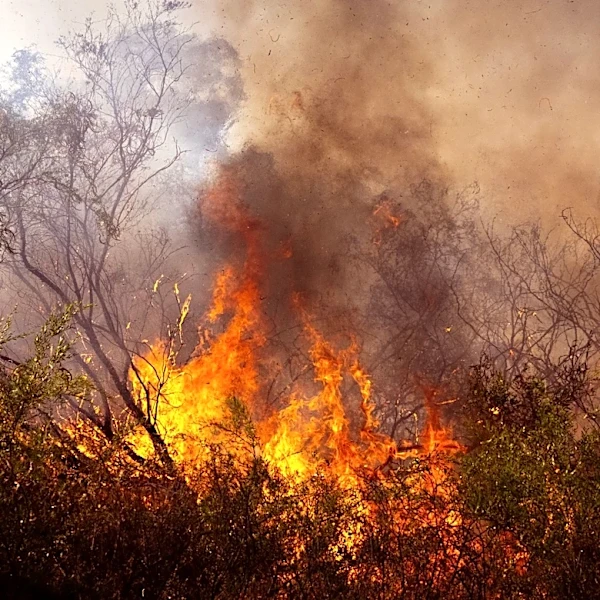
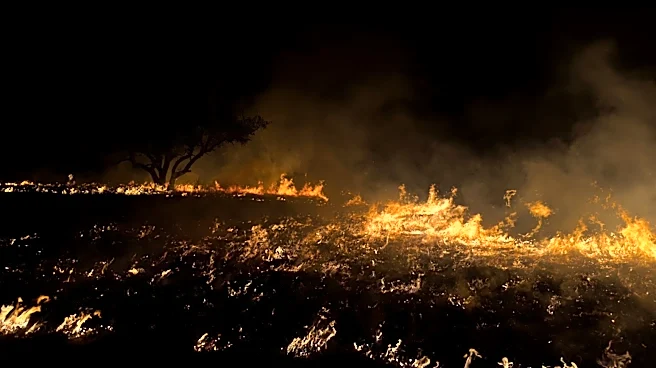
The Ross Fire, impacting Palo Pinto and Jack counties in Texas, is currently 31% contained as firefighters continue to battle the blaze. The wildfire has caused significant damage, affecting 157 structures, including 18 occupied homes, while crews have
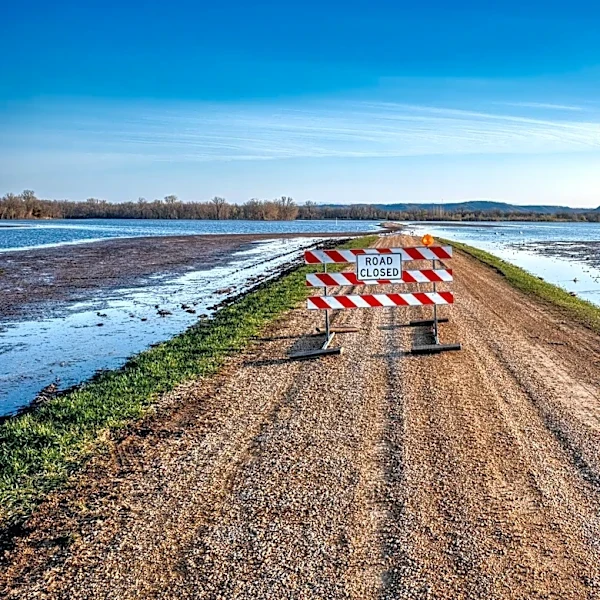
successfully saved 453 other structures. Despite the ongoing efforts, no evacuation orders are presently in place. However, Highway 254 remains closed between North Highway 16 and North FM4 within the fire area. According to Texas A&M Forest Service Regional Operations Chief Boe Adler, fire activity increased on Friday, but growth was largely contained within existing controlled areas. Firefighters have been addressing flare-ups and spot fires that crossed containment lines. The Texas A&M Forest Service has identified the Ross Fire as the second-largest wildfire in North Texas history.
Why It's Important?
The Ross Fire's impact on Palo Pinto and Jack counties highlights the significant challenges posed by wildfires in Texas, particularly concerning property damage and the strain on emergency services. The destruction of 18 occupied homes underscores the direct threat to residents and their livelihoods, while the successful saving of 453 structures demonstrates the critical role of firefighting efforts in mitigating broader devastation. The closure of Highway 254 indicates disruptions to local transportation and commerce, affecting daily life and potentially hindering economic activities in the region. The designation of this fire as the second-largest in North Texas history emphasizes the escalating scale and intensity of such events, which can be exacerbated by environmental factors like drought and high temperatures. This situation also brings to light the reliance on volunteer fire departments, as noted by Jermyn Fire Chief Robert Goodin, and the community support required to sustain these efforts.
What's Next?
Firefighting crews are expected to concentrate their efforts on new fire growth east of Farm to Market Road 4, where heavy equipment is being deployed to establish containment lines. Additionally, firefighters will continue to clear hot spots in the northern section of the fire and reinforce existing containment lines in the southern areas. The Ross Fire remains east of Highway 16 near the fish hatchery, which is currently not under threat. Community support for the volunteer fire departments is ongoing, with collection drives for supplies like water, electrolytes, and snacks. These donations are crucial for sustaining the efforts of firefighters, many of whom are volunteers. The continued closure of Highway 254 will necessitate ongoing traffic management and alternative routes for residents and commuters until the fire is fully contained and the area is deemed safe.
Beyond the Headlines
The Ross Fire underscores the broader implications of climate patterns and land management practices on wildfire frequency and intensity in Texas. The increasing scale of such fires, as evidenced by this being the second-largest in North Texas history, suggests a growing need for enhanced preventative measures, resource allocation, and community preparedness. The reliance on volunteer fire departments, while showcasing community spirit, also raises questions about the long-term sustainability and funding for these critical services in the face of more frequent and severe natural disasters. Furthermore, the economic and social recovery for affected communities, particularly those who have lost homes, will be a significant challenge, requiring coordinated efforts from local and state agencies. This event serves as a stark reminder of the interconnectedness of environmental conditions, public safety, and community resilience.