





What's Happening?
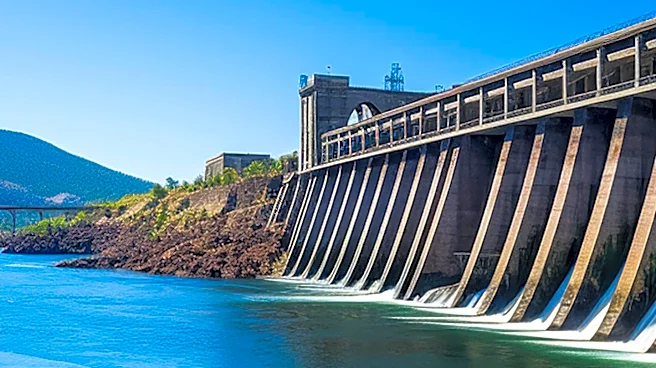
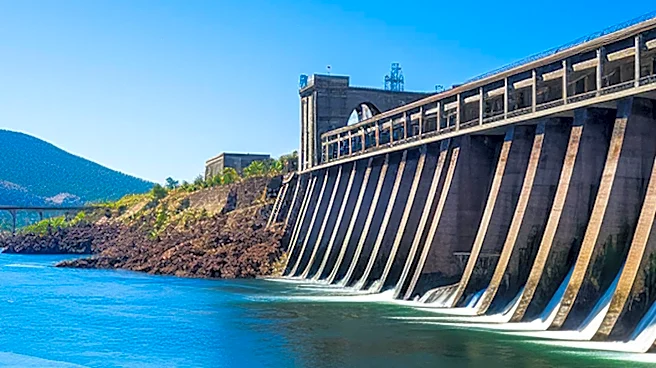
Following the removal of four hydroelectric dams on the Klamath River, the Yurok Tribe is spearheading a massive ecological restoration effort. By planting millions of native seeds and thousands of trees and shrubs, they aim to restore the river's natural
ecosystem. This initiative follows the historic dam removal, which reopened over 400 miles of waterways, previously blocked for a century. The tribe's efforts focus on stabilizing the landscape, preventing erosion, and creating habitats for wildlife, including migratory fish like salmon.
Why It's Important?
The restoration of the Klamath River is a landmark in ecological conservation, demonstrating the potential for large-scale environmental recovery. The Yurok Tribe's leadership highlights the role of Indigenous knowledge in modern conservation efforts. By restoring native vegetation, the project supports biodiversity, improves water quality, and aids the recovery of fish populations. This initiative serves as a model for similar projects worldwide, emphasizing the importance of community involvement and traditional ecological practices in successful restoration efforts.
What's Next?
The ongoing restoration work will require continuous monitoring and maintenance to ensure the long-term health of the ecosystem. The Yurok Tribe, alongside conservation partners, will focus on managing invasive species, supporting plant growth, and tracking wildlife recovery. The project underscores the need for sustained funding and collaboration between Indigenous communities, government agencies, and environmental organizations. As the ecosystem recovers, the Klamath River could become a vital habitat for diverse species, contributing to regional biodiversity and ecological resilience.