





What's Happening?
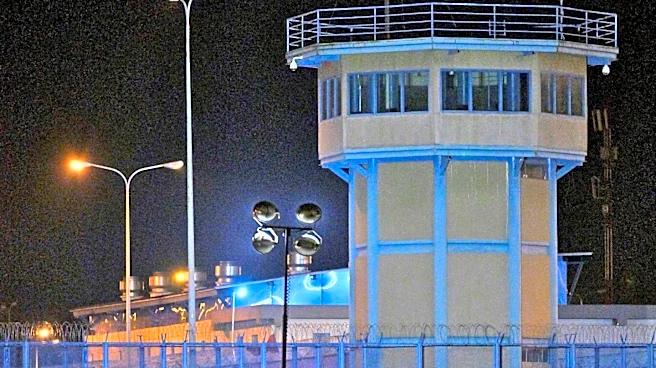
Congresswoman Valerie Foushee, alongside Representatives Pramila Jayapal, Hank Johnson, Nikema Williams, and Deborah Ross, has publicly disputed claims made by Immigration and Customs Enforcement (ICE) regarding their recent oversight visit to the Stewart
Detention Center in Lumpkin, Georgia. According to the lawmakers, ICE's statement contained 'falsehoods' about the visit's timing and their conduct. The congressional delegation asserts they provided two business days' notice, plus two weekend days, for their inspection, contradicting ICE's claim that they arrived an hour early. The lawmakers stated they arrived shortly after 11:00 am and entered the facility at 11:10 am, remaining until approximately 2:18 pm before proceeding to an immigration court. They also reported that ICE attempted to obstruct their access to the immigration court, despite it being a separate Department of Justice facility. This incident is not the first time ICE has allegedly interfered with congressional inspections, with lawmakers noting they have previously had to resort to court action to ensure compliance with oversight mandates. The delegation's visit aimed to assess conditions at the Stewart Detention Center, which they described as inhumane, citing issues such as unsanitary conditions, inadequate care, and inappropriate solitary confinement.
Why It's Important?
This dispute highlights ongoing tensions between congressional oversight bodies and federal agencies like ICE, particularly concerning transparency and accountability in immigration detention facilities. The lawmakers' allegations of ICE providing 'falsehoods' and attempting to obstruct their access raise significant questions about the agency's willingness to cooperate with congressional scrutiny. Effective oversight is crucial for ensuring that federal operations, especially those involving the detention of individuals, adhere to legal standards and human rights principles. If federal agencies can impede congressional inspections or misrepresent facts, it undermines the legislative branch's ability to perform its constitutional duties and protect vulnerable populations. The reported conditions at the Stewart Detention Center, including medical neglect and overuse of solitary confinement, underscore the importance of such oversight. The incident also reflects a broader pattern of challenges faced by lawmakers in gaining full access and information from ICE, which could have long-term implications for immigration policy and the treatment of detainees in the U.S.
What's Next?
The congressional delegation, led by Congresswoman Foushee, has affirmed its commitment to continuing oversight efforts and holding ICE accountable, despite the challenges encountered. This suggests that further investigations, public statements, and potentially legislative actions related to immigration detention conditions and agency transparency are likely. Lawmakers may push for stricter regulations or clearer protocols for congressional access to detention facilities to prevent future obstructions. There could also be increased calls for independent investigations into the conditions at the Stewart Detention Center and other similar facilities. The ongoing dispute may also fuel broader debates about the role of private, for-profit detention centers in the U.S. immigration system, with some lawmakers advocating for their closure. The incident could also lead to renewed efforts to pass legislation aimed at improving detainee welfare and ensuring greater transparency from immigration enforcement agencies.
Beyond the Headlines
The confrontation between the congressional delegation and ICE extends beyond a simple disagreement over a timeline; it touches upon fundamental issues of governmental checks and balances and the ethical treatment of individuals within the U.S. immigration system. The lawmakers' assertion that ICE has a history of interfering with inspections and providing misleading information suggests a systemic challenge to transparency within the agency. This lack of transparency can obscure potential abuses and prevent necessary reforms, particularly in facilities where detainees may have limited avenues to voice grievances. The broader implication is a potential erosion of public trust in government institutions and a weakening of democratic accountability. Furthermore, the focus on the 'inhumane conditions' at the Stewart Detention Center brings to light the moral and humanitarian dimensions of immigration policy, prompting questions about the nation's commitment to dignity and respect for all individuals, regardless of their immigration status. The ongoing struggle for oversight underscores the critical role of congressional vigilance in safeguarding human rights and upholding the rule of law.