



What's Happening?
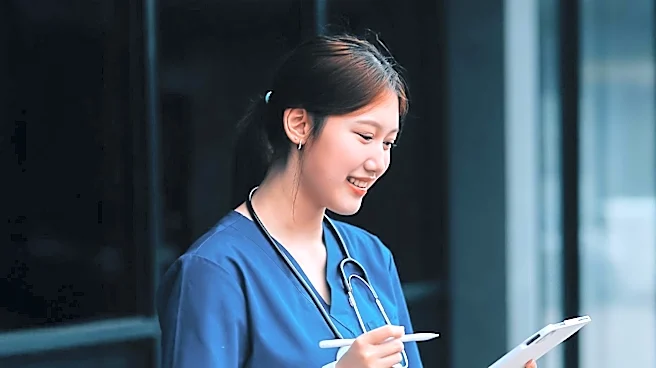
Student doctors from the Arkansas College of Osteopathic Medicine (ARCOM) recently organized and executed their second annual Remote Area Medical (RAM) Clinic in Fort Smith, Arkansas. Held on October 24-25 at Kay Rodgers Park, the two-day event provided
free medical, dental, and vision services to 328 registered patients. Preliminary figures from RAM indicate that the total value of these services reached $249,678. The clinic was a collaborative effort, bringing together healthcare professionals, students, and community volunteers to offer essential care to individuals and families who might otherwise face significant obstacles in accessing healthcare. This initiative underscores ARCOM’s dedication to enhancing healthcare accessibility in rural and underserved regions, while simultaneously offering its student doctors practical, hands-on experience in patient care.
Why It's Important?
This ARCOM-led RAM Clinic is important because it directly addresses critical healthcare access disparities in the River Valley community, particularly for underserved populations. By providing nearly a quarter-million dollars in free services, the clinic alleviates immediate health concerns for hundreds of individuals who may lack insurance, financial resources, or proximity to adequate medical facilities. This initiative not only improves public health outcomes but also reduces the burden on emergency services, as preventative and basic care can mitigate more severe health issues. Furthermore, the clinic offers invaluable real-world experience for ARCOM student doctors, preparing them for future roles in healthcare, especially in rural settings where such services are often most needed. The involvement of community partners and volunteers also strengthens local support networks for health initiatives.
What's Next?
ARCOM is expected to continue its commitment to community health and student education through similar initiatives in the future, building on the success of this second annual RAM Clinic. The ongoing support from organizations like the Degen Foundation and First Presbyterian Church of Fort Smith suggests a sustainable model for these free healthcare events. Future clinics will likely aim to expand their reach and services, potentially incorporating more specialized care or increasing patient capacity based on community needs and available resources. ARCOM will also continue to integrate these hands-on experiences into its curriculum, ensuring that student doctors are well-prepared to serve diverse populations, particularly in rural and underserved areas, upon graduation.
Beyond the Headlines
The success of the ARCOM student-led RAM Clinic highlights a broader systemic issue in U.S. healthcare: the significant barriers to access for many, particularly in rural and underserved communities. This event serves as a powerful example of how academic institutions, in collaboration with community partners, can step in to fill critical gaps left by the traditional healthcare system. It also underscores the ethical imperative for medical education to include practical, community-focused experiences, fostering a generation of healthcare professionals committed to public service. The clinic's model could inspire similar initiatives nationwide, promoting a more equitable distribution of healthcare services and demonstrating the profound impact of volunteerism and targeted outreach in addressing health disparities.