




What's Happening?
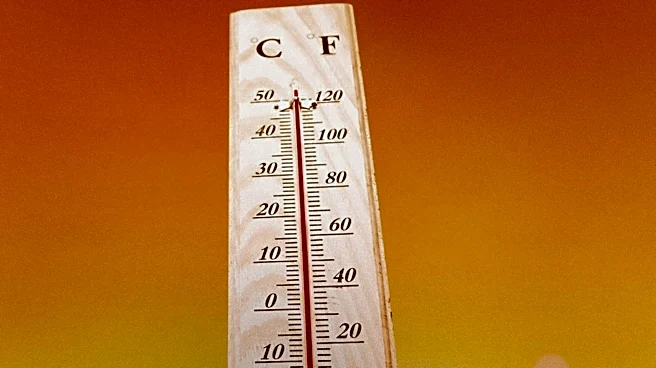
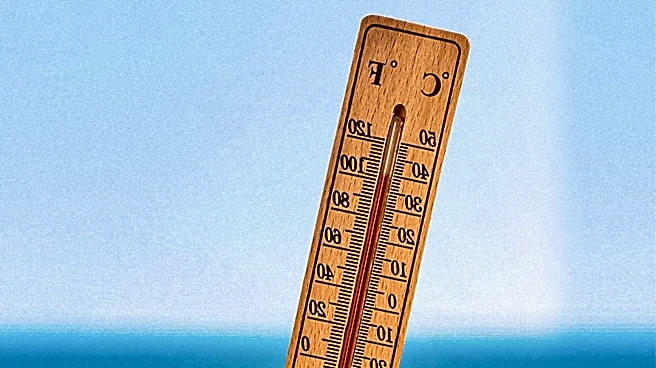
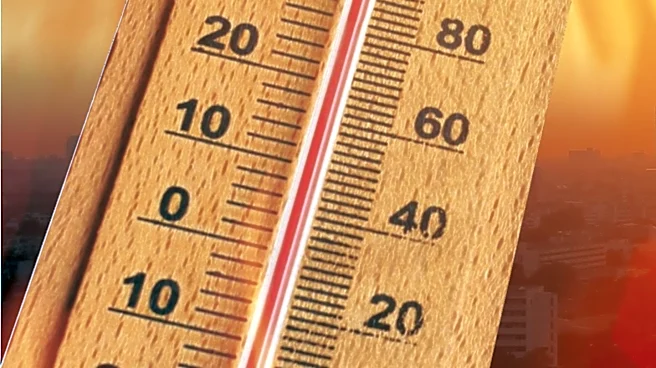
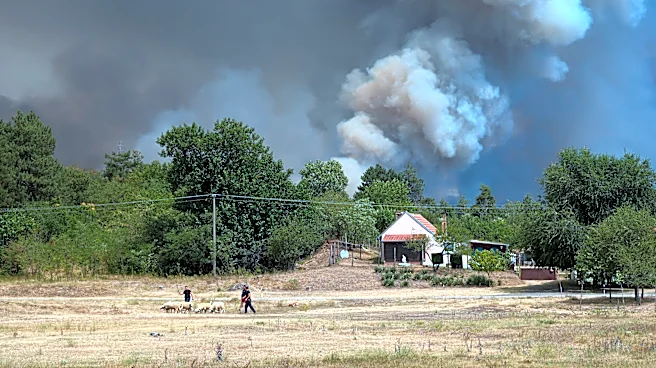
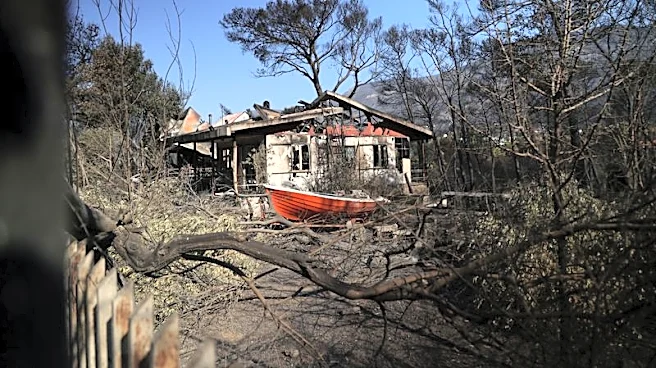
A severe heatwave is currently affecting Europe, with temperatures breaking records in several countries, including Austria and Hungary. Italy has placed all major cities on red alert, signaling a health risk for the entire population. The extreme weather
has led to wildfires, droughts, and disruptions in energy and transport systems. In Slovakia, low water levels in the Danube have forced the shutdown of the country's largest hydroelectric power plant. The heatwave has exposed vulnerabilities in public health systems and infrastructure, prompting governments to adapt to more frequent extreme weather events.
Why It's Important?
The ongoing heatwave highlights the increasing frequency and intensity of extreme weather events due to climate change. This situation poses significant challenges for public health, as high temperatures can lead to heat-related illnesses and fatalities. The impact on energy and transportation infrastructure underscores the need for adaptation strategies to cope with such conditions. The economic implications are also considerable, as industries reliant on water resources, such as hydroelectric power, face operational challenges. The situation calls for urgent action to enhance resilience against climate change-induced weather patterns.
What's Next?
Governments and businesses across Europe are likely to implement measures to mitigate the impact of future heatwaves. This may include investing in infrastructure improvements, such as enhancing cooling systems and water management strategies. Public health advisories and emergency response plans will be crucial in protecting vulnerable populations. Additionally, there may be increased pressure on policymakers to address climate change more aggressively to prevent further escalation of such extreme weather events.