



What's Happening?
California is exploring a novel approach to address its housing shortage by potentially entering the construction insurance business. Assemblymember Buffy Wicks and a bipartisan group of lawmakers have introduced a package of bills aimed at encouraging
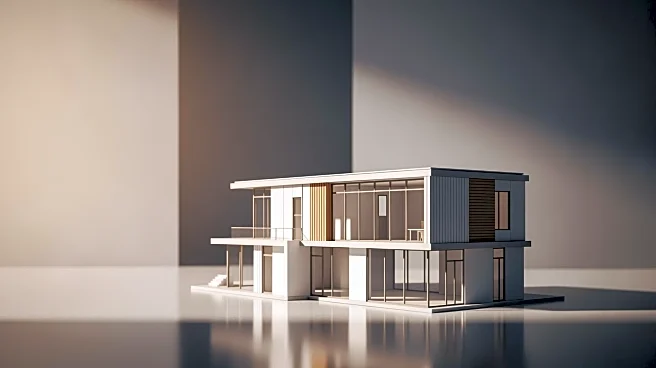
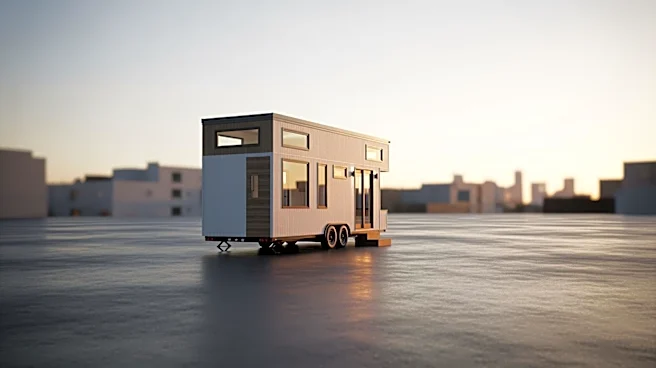
developers to adopt cost-saving innovations in construction, particularly factory-based building. This method involves constructing homes in factories and transporting them to their final locations, offering benefits such as faster construction, safer working conditions, and reduced costs. Despite these advantages, the industry has struggled to scale due to regulatory and financial barriers. The proposed legislation seeks to overcome these hurdles by standardizing regulations and providing insurance guarantees for developers and lenders interested in factory-based building. Assembly Bill 2166, authored by Wicks and Assemblymember Juan Carrillo, aims to offer insurance payouts to reassure stakeholders, marking a significant departure from previous state efforts to reduce housing costs.
Why It's Important?
The initiative could significantly impact California's housing market by making factory-built housing more viable and affordable. By providing insurance guarantees, the state aims to reduce the financial risks associated with factory-based construction, potentially attracting more developers to this method. This could lead to increased production, lower housing costs, and a more efficient construction process. The approach aligns with other state and federal policies that guarantee financial products to stimulate industry growth. If successful, this could set a precedent for other states facing similar housing challenges, demonstrating a new model for public-private collaboration in the housing sector.
What's Next?
The bill is scheduled for its first legislative committee hearing later this month. Lawmakers will need to address unanswered questions, such as the total financial liability for state taxpayers and the criteria for insurance payouts. The proposal's success depends on whether the industry can build a reputation that eventually allows private insurers to offer coverage without state backing. If the legislation passes, it could temporarily support early adopters while the factory-built housing industry establishes itself, potentially leading to a self-sustaining market.
Beyond the Headlines
The proposal raises questions about the role of government in supporting emerging industries and the balance between public risk and private gain. While the initiative could stimulate growth in the factory-built housing sector, it also places financial responsibility on taxpayers. The long-term viability of this approach depends on the industry's ability to prove its reliability and cost-effectiveness, which could influence future policy decisions regarding state involvement in private sector insurance.