







What's Happening?
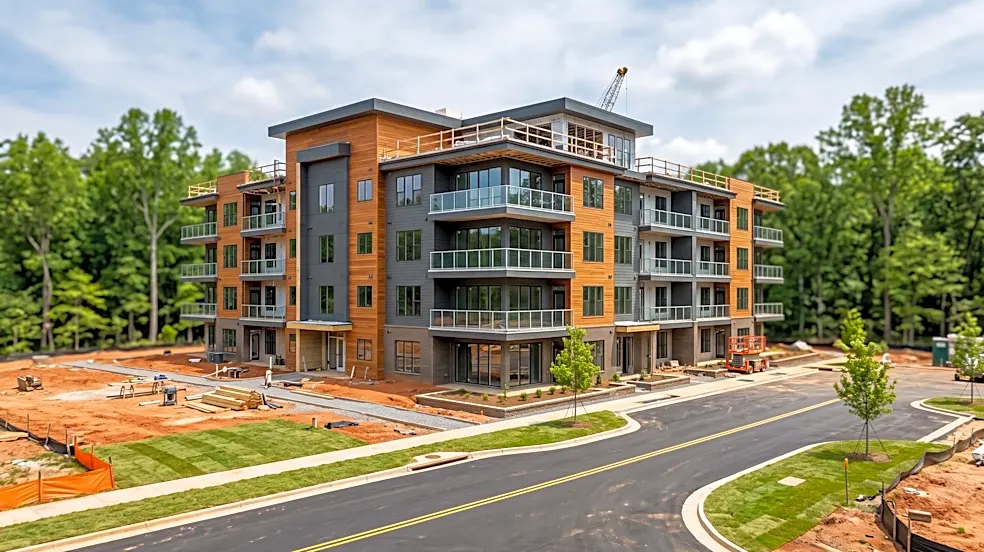
U.S. Representative Deborah Ross participated in the groundbreaking ceremony for Chapanoke, a new $58 million affordable housing development in south Raleigh, North Carolina. This project aims to provide 200 apartments by 2028, offering one, two, and
three-bedroom units for income-eligible applicants. A significant portion of these units will be reserved for Wake Technical Community College students who meet the income criteria, as the land for the development was donated by the college. Representative Ross emphasized the importance of ensuring that individuals who contribute to the community can afford to live there, especially as living expenses continue to rise. The development is designed to help long-term Raleigh residents remain in their communities.
Why It's Important?
This affordable housing initiative is crucial for addressing the growing housing affordability crisis in Raleigh and across North Carolina. As Representative Ross highlighted, rising costs for rent, mortgages, groceries, healthcare, childcare, and gas are stretching family budgets thin. The Chapanoke development directly tackles this issue by providing accessible housing options, which can alleviate financial burdens on low-to-moderate-income families and students. By locating the development near educational resources like Wake Tech, it also supports workforce development and educational attainment, fostering a more stable and skilled local population. This project serves as a model for how communities can leverage partnerships between educational institutions and local government to create sustainable housing solutions.
What's Next?
The Chapanoke development is projected to deliver its 200 apartments by 2028. The groundbreaking precedes an upcoming affordable housing conference in Raleigh, where stakeholders are expected to discuss future strategies and initiatives for affordable housing. This conference could lead to further policy discussions, funding opportunities, and collaborative projects aimed at expanding affordable housing options throughout the region. The success of Chapanoke could also influence other communities to adopt similar models, potentially leading to more partnerships between colleges and local governments to address housing needs for students and residents.
Beyond the Headlines
The Chapanoke development underscores a broader national challenge: the increasing difficulty for essential workers and students to afford housing in growing urban centers. This project not only provides shelter but also aims to preserve community stability by allowing long-time residents to stay in their neighborhoods. The involvement of Wake Technical Community College highlights an emerging trend of educational institutions playing a more direct role in community development and addressing social determinants of health, such as housing. This integrated approach recognizes that access to stable housing is fundamental to educational success and overall well-being, fostering a more equitable and resilient community.