




What's Happening?
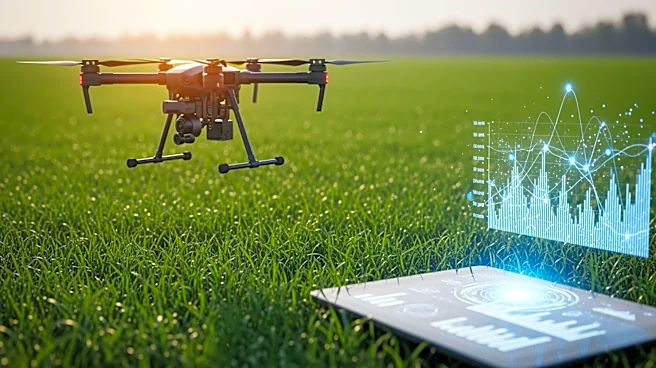
Researchers at the University of Central Oklahoma have received a grant to develop an early warning system aimed at detecting potential threats to crops and livestock. This system is designed to alert farmers about issues such as disease outbreaks, extreme
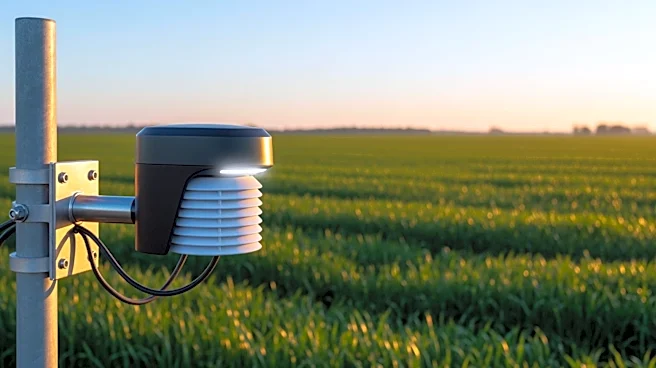
weather, or pest infestations, allowing them to take preventive measures. The project involves building sensors and monitoring systems that continuously scan for indicators of threats. The system will integrate data from various sources, including satellite imagery and weather forecasts, to provide timely alerts. The research project began in April 2026, with the goal of deploying the system to agricultural producers across Oklahoma by 2028.
Why It's Important?
The development of this early warning system is significant for the agricultural industry in Oklahoma and potentially beyond. By providing farmers with advanced notice of threats, the system could help minimize losses in crops and livestock, thereby improving food security and strengthening the agricultural economy. This initiative represents a proactive approach to managing agricultural risks, which is crucial in a state where agriculture plays a vital role in the economy. The system's ability to aggregate and analyze data from multiple sources could set a new standard for agricultural monitoring and risk management.
What's Next?
The research team plans to spend the next 18-24 months developing and testing the early warning system. The goal is to have the system ready for deployment to agricultural producers by 2028. This timeline suggests that farmers in Oklahoma could soon have access to a sophisticated tool for managing agricultural risks. The success of this project could lead to broader adoption of similar technologies in other regions, potentially transforming how agricultural risks are managed on a larger scale.